


A New York jury has ruled that Live Nation and its subsidiary Ticketmaster hold a harmful monopoly over major concert venues, delivering a significant legal setback in a closely watched antitrust case brought by dozens of US states.
The decision came on Wednesday after four days of deliberations in a Manhattan federal court, capping a trial that offered a rare look inside the business practices of one of the most dominant players in live entertainment.
The case now moves into its next phase. The judge instructed both sides to coordinate with each other “and the United States” to propose a timeline for motions and outline how potential remedies should be handled, with a joint submission due by late next week.
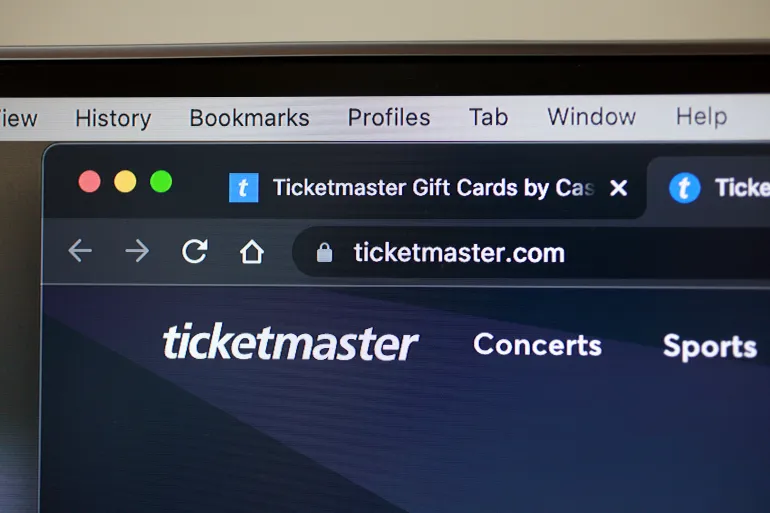
Live Nation’s scale was central to the case. The company owns, operates, or has stakes in hundreds of venues, while Ticketmaster is widely considered the world’s largest ticket seller. Lawyers for the company did not comment immediately after the verdict but said a statement would follow.
The financial implications could be substantial. The jury found that Ticketmaster overcharged consumers by $1.72 per ticket across 22 states, potentially amounting to hundreds of millions of dollars in damages. Additional penalties could follow, including structural remedies that may force the company to divest parts of its business, such as venue ownership.
At the core of the lawsuit was the question of market power. States argued that Live Nation used its position to limit competition, including by restricting venues from working with multiple ticketing providers.
“It is time to hold them accountable,” said Jeffrey Kessler, a lawyer representing the states, describing the company as a “monopolistic bully” that pushed prices higher for fans.
Live Nation pushed back, arguing that its market position reflects performance rather than anti-competitive conduct.
“Success is not against the antitrust laws in the United States,” said company lawyer David Marriott, maintaining that artists, teams and venues ultimately control pricing and ticketing decisions.
Ticketmaster’s dominance has long drawn scrutiny. Founded in 1976 and merged with Live Nation in 2010, the company now controls a large share of the live event ticketing market — 86 percent for concerts and 73 percent overall when including sports, according to arguments presented in court.
Criticism of its practices is not new. In the 1990s, Pearl Jam challenged the company’s business model, filing an antitrust complaint that ultimately did not lead to legal action at the time.
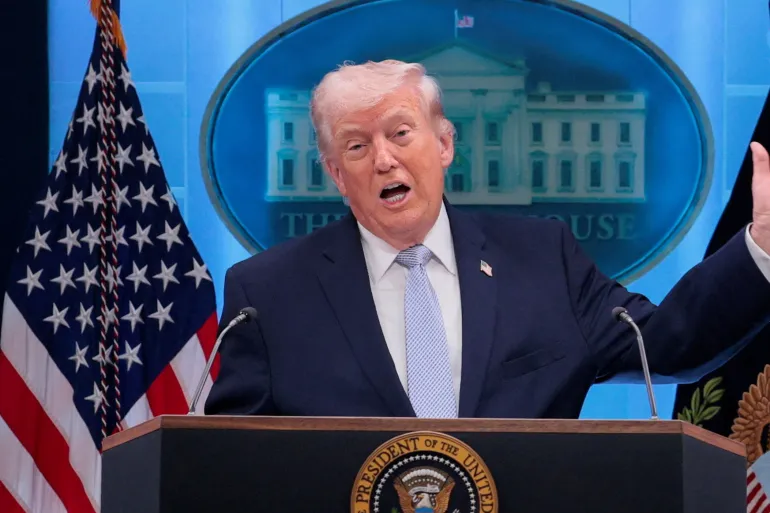
The current case marks a more sustained push by regulators. Initially led by the US federal government under former President Joe Biden, the lawsuit later shifted when the Trump administration reached a settlement with Live Nation early in the trial. That agreement introduced limits on certain service fees and opened the door to more ticketing options, but stopped short of breaking up the company.
Not all states accepted the deal. More than 30 chose to continue the case, arguing the settlement did not go far enough in addressing competition concerns.
Testimony during the trial added to scrutiny of the company’s internal culture. CEO Michael Rapino took the stand, including to address the 2022 Taylor Swift ticketing issues, which he attributed to a cyberattack. Jurors also heard internal messages from a Live Nation executive describing prices as “outrageous” and customers as “so stupid”, alongside a claim the company was “robbing them blind, baby”. The executive, Benjamin Baker, later apologised, calling the messages “very immature and unacceptable”.



The latest news in your social feeds
Subscribe to our social media platforms to stay tuned