


Cuba strikes defiant tone amid US pressure and blockade strain
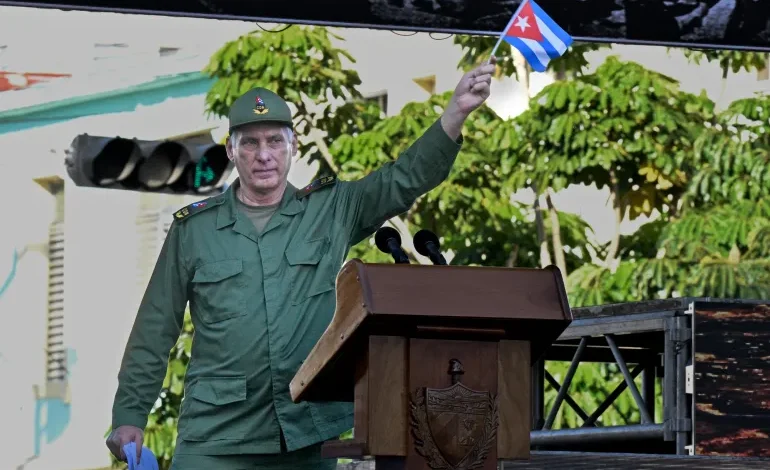

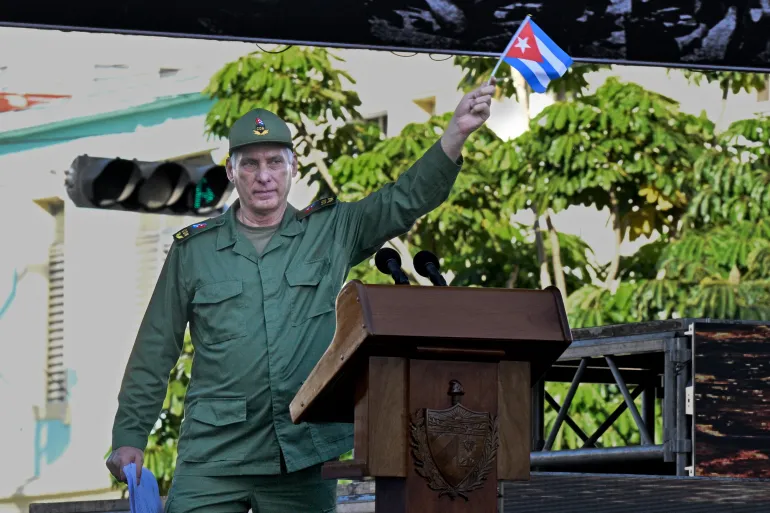
Cuban President Miguel Diaz-Canel has warned that his country is prepared to defend itself if necessary, even as he reiterated that Havana does not seek conflict with the United States.
Speaking on Thursday at a rally marking the 65th anniversary of Cuba’s declaration of its socialist character — and the failed Bay of Pigs invasion — Diaz-Canel framed the current moment as another test of national resilience.
“The moment is extremely challenging and calls upon us once again, as on April 16, 1961, to be ready to confront serious threats, including military aggression,” he said. “We do not want it, but it is our duty to prepare to avoid it and, if it becomes inevitable, to defeat it.”
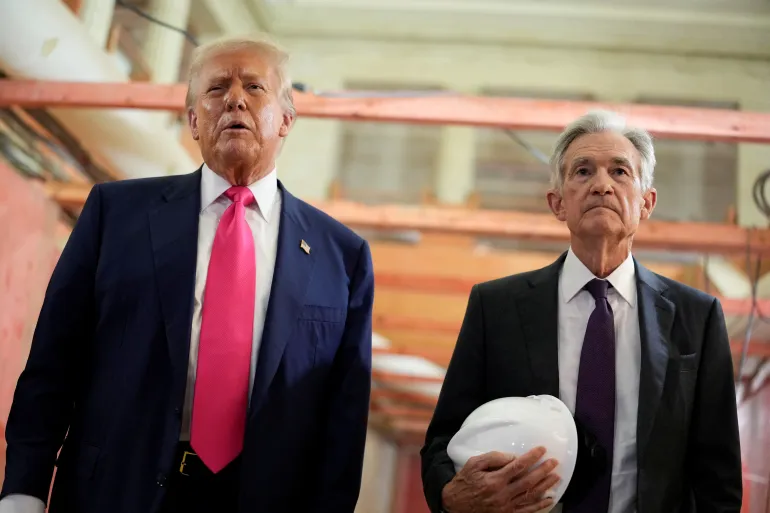
The speech comes as tensions with Washington have escalated. US President Donald Trump has suggested that his administration could turn its focus to Cuba after the war on Iran, saying earlier this week: “We may stop by Cuba after we finish with this.”
Behind the rhetoric is a deepening economic crisis on the island. A tightening US energy blockade and the disruption of oil supplies — particularly after Venezuela’s political upheaval — have pushed Cuba into prolonged fuel shortages and widespread blackouts, straining daily life and economic activity.
Diaz-Canel used the anniversary platform to push back against external narratives about Cuba’s situation, describing the country not as failing, but under sustained pressure.
“Cuba is not a failed state. Cuba is a besieged state,” he said. “Cuba is a state facing multidimensional aggression: economic warfare, an intensified blockade and an energy blockade.”
The message reflects a broader framing from Havana: that current hardships are inseparable from external pressure, even as critics point to internal economic and political challenges that have also shaped the crisis.
Internationally, Cuba has continued to call for an end to the US embargo, a position backed annually at the United Nations by a large majority of countries. The 2025 vote again passed overwhelmingly, underscoring long-standing global opposition to the restrictions.
At the same time, the current moment differs from previous periods of tension. The combination of an intensified energy blockade, geopolitical shifts in the region, and renewed US rhetoric has created a more acute sense of instability.

The latest news in your social feeds
Subscribe to our social media platforms to stay tuned