




With input from Reuters, Bloomberg, the Wall Street Journal, ABC News.
The US labor market is holding steady – for now.
New filings for unemployment benefits dropped last week, offering another sign that layoffs remain relatively low despite a shaky global backdrop. According to the US Department of Labor, initial jobless claims fell by 11,000 to 207,000 for the week ending April 11. That’s below expectations and comfortably within the range seen over the past few years.
In simple terms: companies aren’t rushing to cut jobs.
Weekly claims are one of the clearest real-time snapshots of the job market. And right now, they’re not flashing red. But they’re not exactly signaling strength either.
Zoom out a bit and the picture gets murkier.
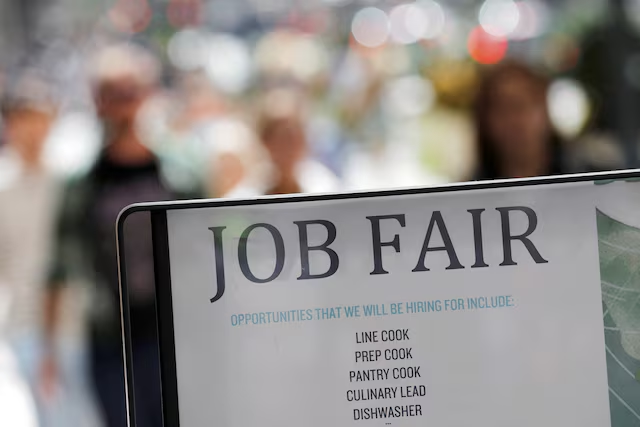
Hiring has cooled. Employers added 178,000 jobs in March – solid, but coming after a sharp drop in February and downward revisions to earlier months. Strip away the noise and the trend points to a labor market losing momentum.
Economists have a phrase for this: “low-hire, low-fire.” Businesses are cautious. They’re not laying people off in big numbers, but they’re not hiring aggressively either. That leaves job seekers stuck in a frustrating middle ground.
And there are signs of strain. Big names like Amazon, UPS and Morgan Stanley have all announced job cuts recently.
The backdrop isn’t helping.
The Iran war – now stretching into its seventh week – has injected fresh uncertainty into the global economy. Oil prices have eased from their peak but are still hovering around $92 a barrel, well above pre-war levels. That ripple effect is showing up everywhere.
Gas prices just posted their biggest monthly jump in decades. Inflation followed. Consumer prices rose 3.3% in March from a year earlier, a sharp jump from February and the fastest pace in nearly a year.
For households, that means higher costs. For businesses, tighter margins. For policymakers, fewer easy options.
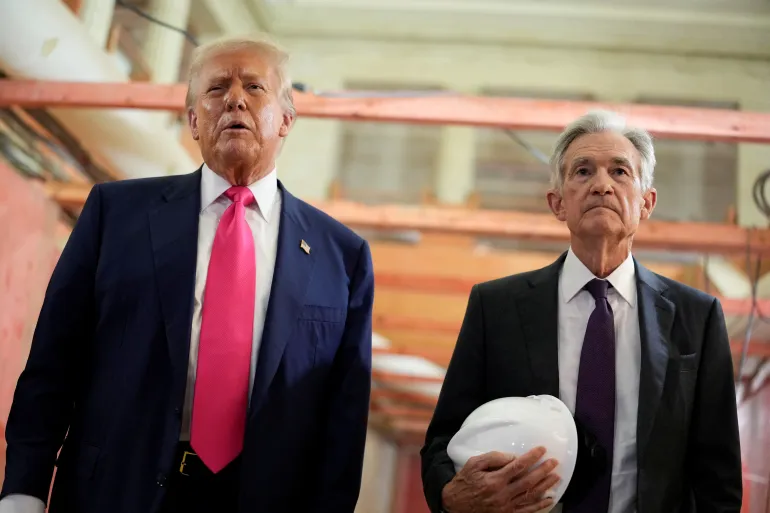
The Federal Reserve is now in a bind.
Inflation is running above its 2% target, and the recent spike doesn’t help. Rate cuts? Not anytime soon, at least based on current data. Officials already raised rates multiple times late last year over concerns about the job market, and they’ve stayed cautious since.
The risk is clear: keep rates high for too long and hiring slows further. Cut too early and inflation flares again.
While layoffs remain contained, production isn’t keeping pace.
Manufacturing output slipped in March, adding another hint that parts of the economy are cooling. It’s not a collapse, but it fits the broader pattern – steady on the surface, softer underneath.
The four-week average of jobless claims ticked slightly higher to just under 210,000, smoothing out the weekly ups and downs. Meanwhile, continuing claims – people already receiving benefits – rose to 1.82 million.
That suggests it’s taking longer for unemployed workers to find new jobs.
So yes, layoffs are low. But the system isn’t as healthy as that headline number might suggest.
The US economy isn’t stalling. It’s just… easing off the gas.



The latest news in your social feeds
Subscribe to our social media platforms to stay tuned