



The original story by Steven Sloan and Ken Sweet for AP.
It started with a rescue mission. Then came the bets.
As the US scrambled to save a downed airman during the Iran conflict, users on Polymarket were wagering on the exact day he’d be brought home. April 3? April 4? Odds were shifting in real time, like it was just another sports line.
That didn’t sit well in Washington. When Seth Moulton posted a screenshot and called it a “dystopian death market,” the platform quickly pulled the listing. Too late. The backlash had already landed.
Moulton, a former Marine, wasn’t buying the cleanup. He accused the company of dodging responsibility and pushed for Congress to step in. His message was blunt: betting on the fate of service members crosses a line.
Now the fight over prediction markets is spilling into the open – and unusually, both parties seem to agree something’s off.
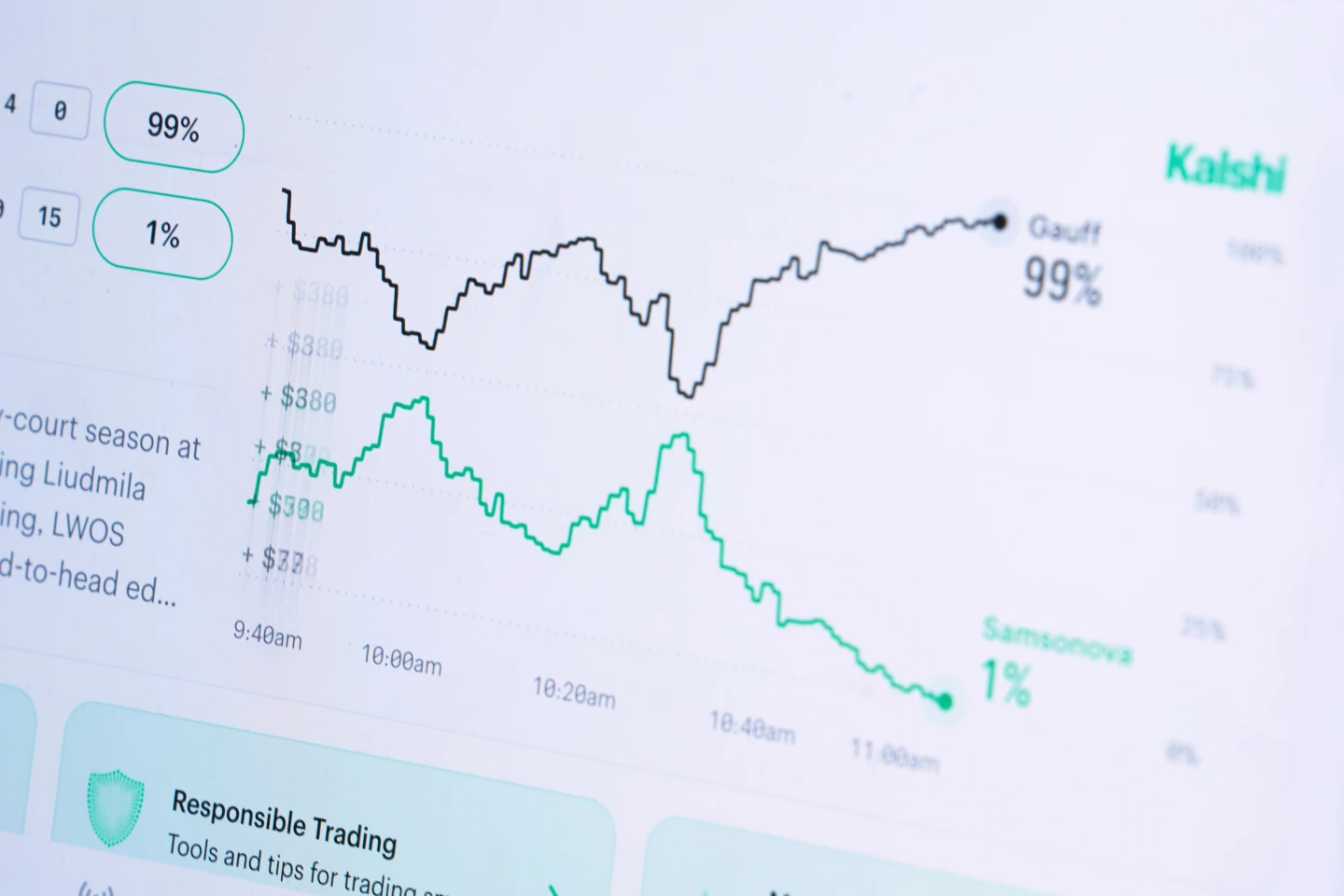
These platforms, including Kalshi, let users bet on outcomes ranging from elections to economic data to, increasingly, geopolitical flashpoints. The pitch is that markets can forecast reality better than pundits. The critics see something else: a system ripe for abuse, especially when real-world events overlap with insider information.
Recent trades haven’t helped. A cluster of new accounts reportedly made sharply timed bets on a potential US-Iran ceasefire earlier this month, walking away with hefty profits. Another trader banked over $400,000 predicting the political fate of Nicolás Maduro. Lawmakers are asking the obvious question – who knew what, and when?
The White House has already warned staff to steer clear of using nonpublic information in these markets. On Capitol Hill, proposals are piling up. Senators Todd Young and Elissa Slotkin want to ban federal employees from placing bets tied to insider knowledge. Rahm Emanuel is floating a broader crackdown that would extend to families and tack on a fee to fund public research. Gavin Newsom has already moved at the state level, barring his appointees from playing the market with privileged info.
Even in a divided Congress, “market integrity” has become a rare shared concern.
The regulatory spotlight is landing on the Commodity Futures Trading Commission, the agency technically in charge of overseeing these markets. There’s just one problem: critics say it’s not equipped for the job. The commission is understaffed, down to a single member, and lacks the tools to police a fast-moving, often offshore ecosystem.
That offshore piece matters. Polymarket, the biggest player, operates largely outside US jurisdiction. It’s begun rolling out a compliant US version, but for now it’s a small, waitlisted slice of its global business. Kalshi, by contrast, leans into regulation and says it’s already set tighter boundaries on what users can bet on.
Politics runs through all of this. Donald Trump Jr. advises both platforms in different capacities, and his investment firm has backed Polymarket. The Donald Trump administration has signaled support for keeping prediction markets alive – just with clearer rules.
Meanwhile, states are trying to shut parts of the industry down, arguing these platforms look a lot like unlicensed gambling. The federal government is pushing back, insisting it should be the one calling the shots.
So Washington finds itself in an unusual spot: broad agreement that something needs fixing, but no consensus on how far to go.
For now, the bets keep coming. But the window for a free-for-all is closing fast.


The latest news in your social feeds
Subscribe to our social media platforms to stay tuned