
Campbell County one-room schoolhouse grows as microschool trend catches fire

A microschool that started 18 months ago in rural Campbell County with eight students has since doubled in size and added a teacher. Homestead Learning, located about 10 miles south of Gillette, now serves 15 students ages 4 to 12 and plans to expand through age 18.
The school was co-founded by Alison Brady and Jenna Walker as an alternative to public education. It uses a mix of homeschool curriculum and Montessori methods, including multi-age learning, hands-on projects and Socratic debate. Students learn practical life skills like using a tape measure, balancing a checkbook, basic sewing and cooking meals in the on-site kitchen.
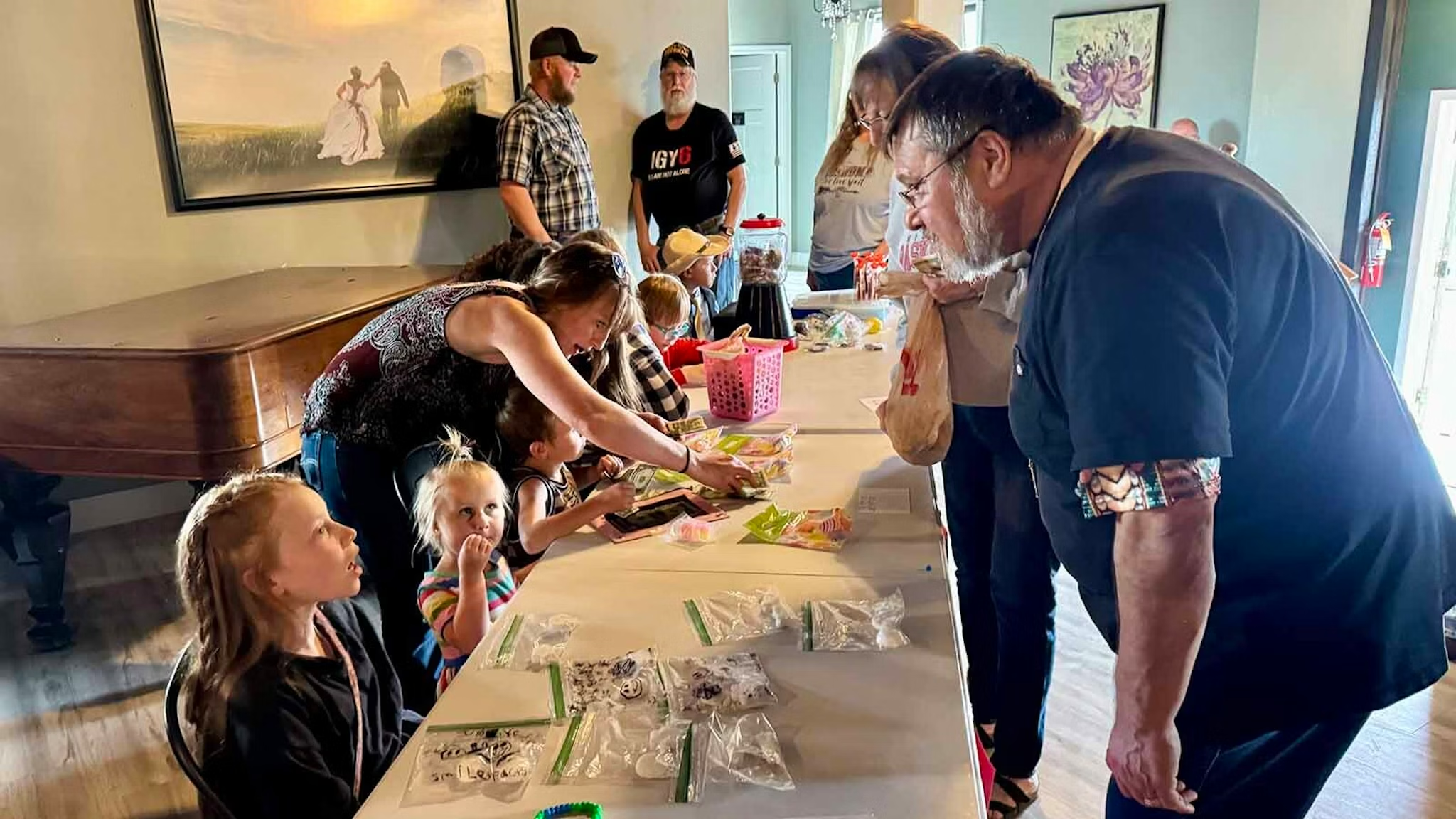
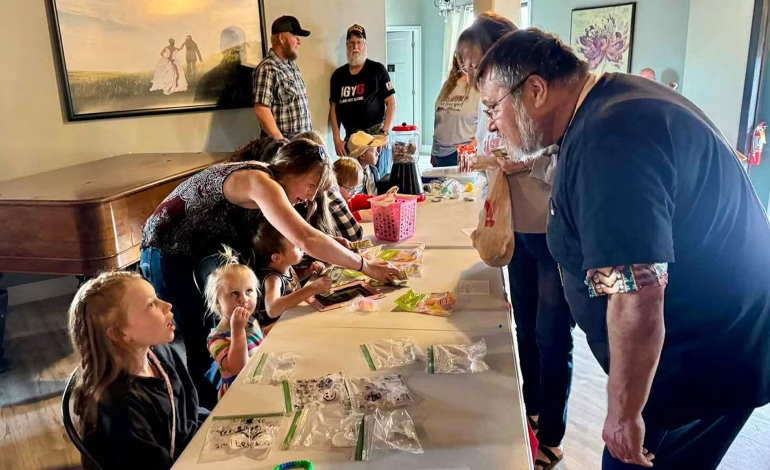
Last weekend, students held a business fair where 7-year-old Juliana Brady sold “Soapy Surprises” — handmade soap bars with plastic sea animals hidden inside. Other students sold slime, stress balls, diamond art coasters, bath bombs, leather saddle conchos and baked goods. The fair was the culmination of months of work as students designed products, crafted them and practiced “elevator pitches.”
Microschools typically serve 8 to 20 students and offer small classes with flexible learning environments. Nationwide, about 2% of K-12 students are microschooled, according to the National Microschooling Center. The students at Homestead Learning are considered homeschoolers by the state of Wyoming and are supported through tuition and private donations.
The entrepreneurial focus is central to the school’s mission. Brady is a physician’s assistant with her own practice, and Walker formerly taught sports medicine and now runs a land and livestock operation. “The world’s changing, and we don’t know what it’s going to look like,” Brady said. “We want to make sure they are able to have their own businesses and control their own future.”
Students attend one to four days per week, with tuition ranging from $300 to $600 per month. The school recently added a second classroom and a second teacher, or “school guide,” to give older students quiet time to focus.
It’s unclear how many microschools exist in Wyoming, but along with the Gillette school there are at least two others in Casper and Jackson. Nationally, a 2024 RAND Corp. report estimated there are between 750,000 and 2.1 million microschools operating across the U.S.
Wyoming’s school choice program, the Steamboat Legacy Scholarship, was passed last year but remains blocked by a court order pending review by the Wyoming Supreme Court. Regardless of the ruling, Brady said schools like Homestead Learning will continue to thrive.
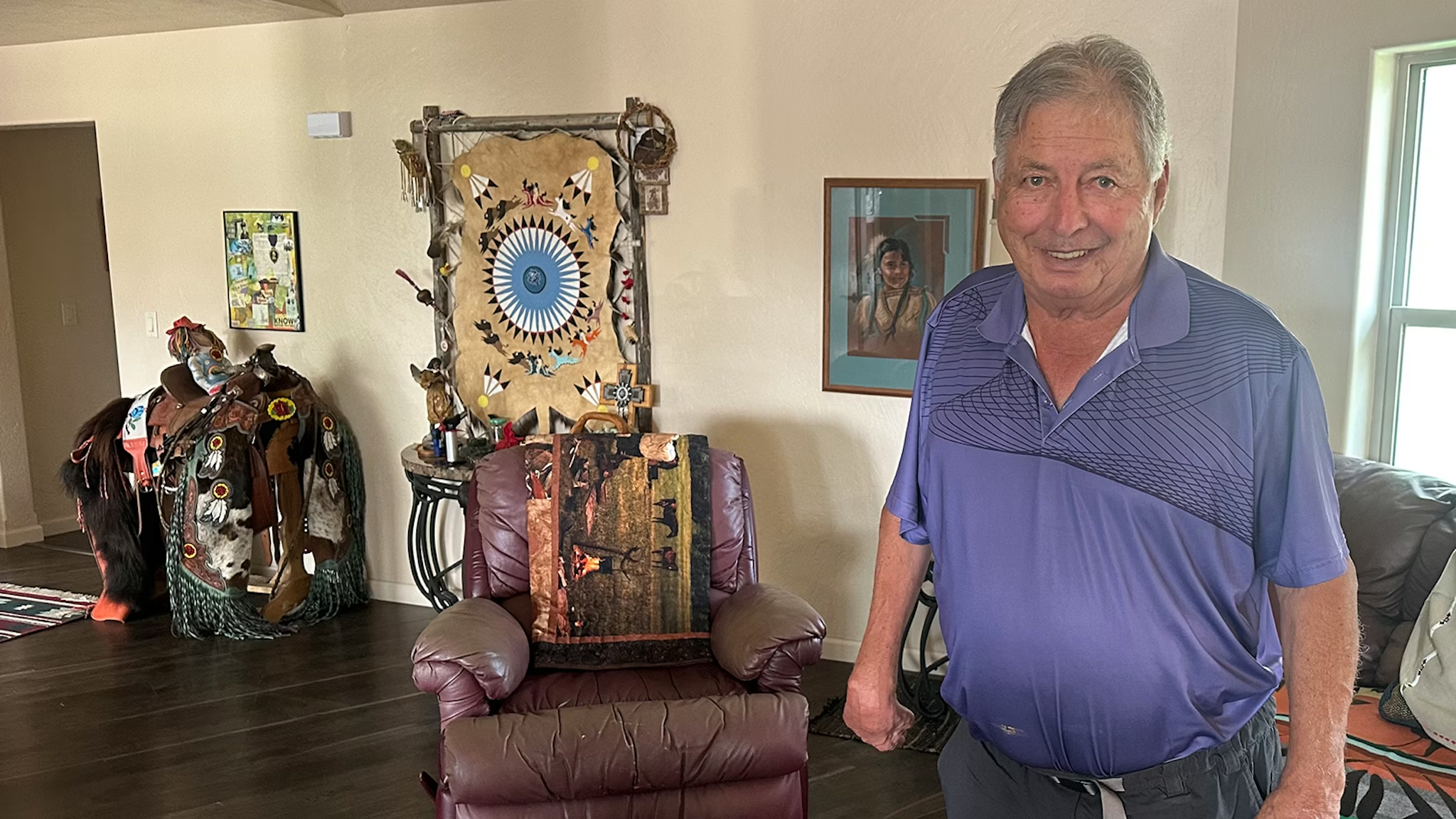
Letting children follow their own curiosity and natural talents is paramount to their educational model, Brady said. This summer, the school will offer a weeklong nature-based camp focused on hands-on outdoor adventures. Student Sayge Walker already sells his handmade leather saddle conchos at the Gillette Saturday Market, learning the skill from his grandfather, master leather craftsman John L. Blair.
“The world’s changing,” Brady said, “and we don’t know what it’s going to look like.”



The latest news in your social feeds
Subscribe to our social media platforms to stay tuned