


Oil Jolts Higher as Hormuz Chaos Returns

Axios, the New York Times, BBC, and AP contributed to this report.
Oil traders barely had time to catch their breath.
Prices jumped again late Sunday, climbing roughly 6% as tensions between the US and Iran flared back up and the Strait of Hormuz slipped into uncertainty – again. The rebound wipes out much of Friday’s sharp drop, when talk of a reopening briefly calmed markets.
By Sunday night, global benchmark Brent crude was hovering around $95 a barrel, while West Texas Intermediate pushed close to $90. Both held near those levels as traders tried to make sense of fast-moving headlines.
The latest twist came after President Donald Trump said US forces had seized an Iranian-flagged cargo ship that attempted to slip past a naval blockade in the Gulf of Oman. It marks the first such seizure since the blockade began – and a clear signal the standoff isn’t cooling off just yet.
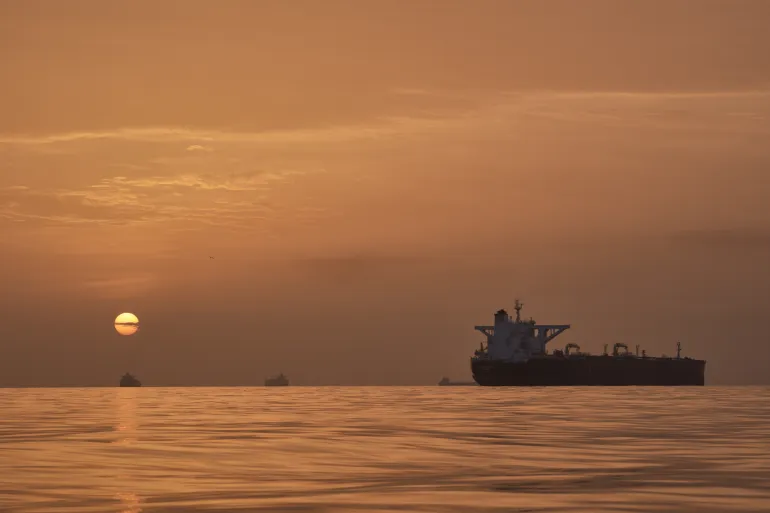
Tehran didn’t wait long to respond. Iranian officials said the strait is closed again, warning that vessels entering could be targeted. That’s a big deal. Roughly a fifth of the world’s oil flows through that narrow passage, making it one of the most critical chokepoints in global energy.
Markets are struggling to keep up. One day, talk of a ceasefire and open shipping lanes sends prices tumbling. The next, military moves and threats push them right back up. Analysts say the swings reflect a deeper problem: confidence is thin. Shipowners aren’t rushing back into the strait based on political statements alone.
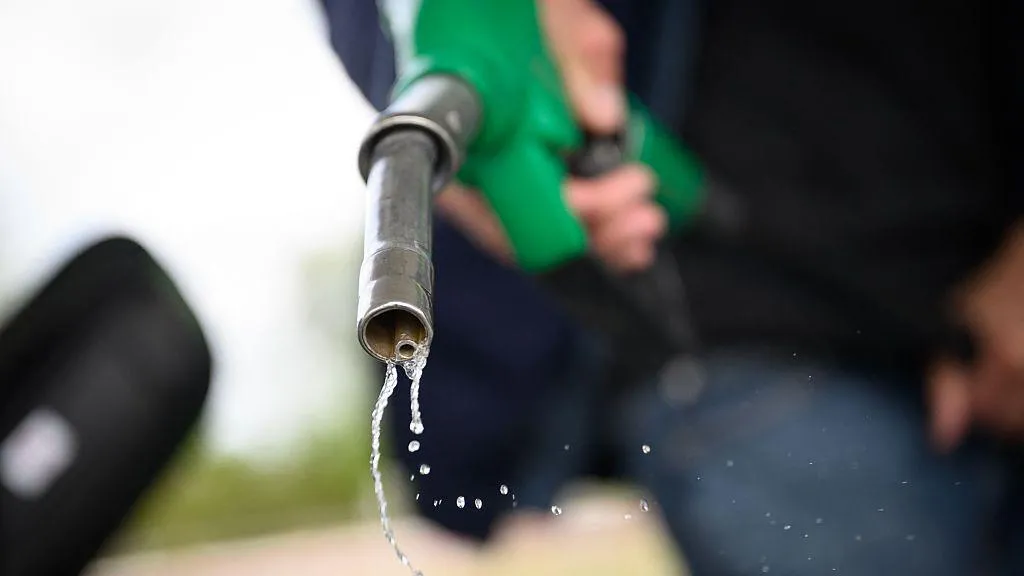
The ripple effects are already hitting consumers. US gasoline prices, now just over $4 a gallon, may not drop back below $3 until sometime next year, according to Energy Secretary Chris Wright. He suggested prices may have peaked for now, but any real relief depends on how quickly the conflict winds down.
Behind the scenes, diplomacy is still in play. Vice President JD Vance is expected to lead another round of talks with Iran in Pakistan, just days before the current ceasefire is set to expire. Whether those talks happen – or lead anywhere – remains unclear.
For now, oil markets are trading on headlines, not certainty. And as long as tankers stay sidelined, prices are likely to keep reacting just as sharply.


The latest news in your social feeds
Subscribe to our social media platforms to stay tuned