


Traders Seem to Be One Step Ahead of Trump – and It’s Raising Eyebrows

BBC, CNBC, Bloomberg, and Reuters contributed to this report.
Big market moves usually follow big political statements. Lately, though, the sequence looks flipped.
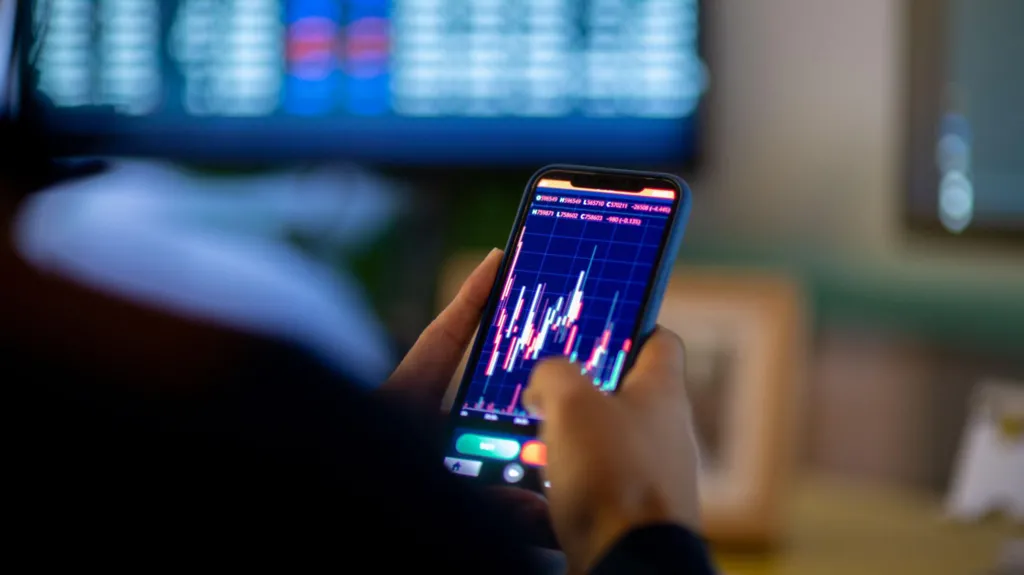
Throughout Donald Trump’s second term, traders have been piling into bets just before his most market-shaking announcements. Not hours after. Sometimes minutes before. Data reviewed across oil, stocks and prediction markets shows a pattern that’s hard to ignore – sudden spikes in trading activity, then a presidential comment that sends prices flying or crashing.
Some analysts see the fingerprints of insider trading – people acting on information the public doesn’t yet have. Others aren’t convinced it’s that simple. Trump is famously unpredictable, but markets have also learned to read his signals, anticipate his tone, and react fast.
Still, a few cases stand out.
Take March 9. Oil markets were already tense nine days into the Iran conflict. Then, in a CBS interview aired at 19:16 GMT, Trump suggested the war was basically over. Prices tanked – down about 25% within minutes. The twist? A massive wave of bets on falling oil prices hit the market at 18:29 GMT. Forty-seven minutes earlier.
Same story on March 23. Trump posted about “very good” talks with Iran and hinted at a full resolution. Oil dropped again, stocks jumped. But trading volumes had already surged roughly 15 minutes before his post went live. One analyst called it “abnormal, for sure.”
It’s not just oil.
Rewind to April last year. After announcing sweeping global tariffs – his so-called “Liberation Day” – markets sank. A week later, Trump suddenly paused most of those tariffs. Stocks exploded upward, with the S&P 500 posting one of its biggest single-day gains since World War II. Once again, traders had quietly loaded up on bullish bets shortly before the announcement. Some reportedly turned a couple million dollars into nearly $20 million in a day.
Lawmakers noticed. Senior Democrats pushed regulators to investigate whether insiders were profiting off advance knowledge. The response from authorities? Silence, mostly.
Then there’s the newer frontier: prediction markets.
Platforms like Polymarket and Kalshi – where users bet on real-world events – have seen eerily precise wagers. One account dropped about $32,000 betting that Venezuela’s president Nicolás Maduro would be ousted by the end of January 2026. He was captured the next day. The payout: $436,000.
Another cluster of accounts correctly bet on a US strike on Iran by February 28, netting $1.2 million. Several of those accounts went quiet immediately after.
Regulators are now circling. The Commodity Futures Trading Commission is digging into suspicious oil trades placed just ahead of key White House announcements, including a surprise pause in attacks on Iran. Exchanges have been asked to hand over detailed trading records – the kind that can identify exactly who placed those bets.
Still, proving insider trading is notoriously tough. Even when the timing looks perfect.
“You can see the trades. You can see the pattern,” said one legal expert. “But unless you can trace the information back to its source, it’s very hard to prosecute.”
That’s the crux of it. Markets may be flashing warning signs, but without a clear trail, suspicion doesn’t easily turn into charges.
For now, the question lingers: are some traders just getting very good at reading Trump – or are they hearing things the rest of the market isn’t?


The latest news in your social feeds
Subscribe to our social media platforms to stay tuned