



Oil jumps as Hormuz tensions deepen and talks wobble
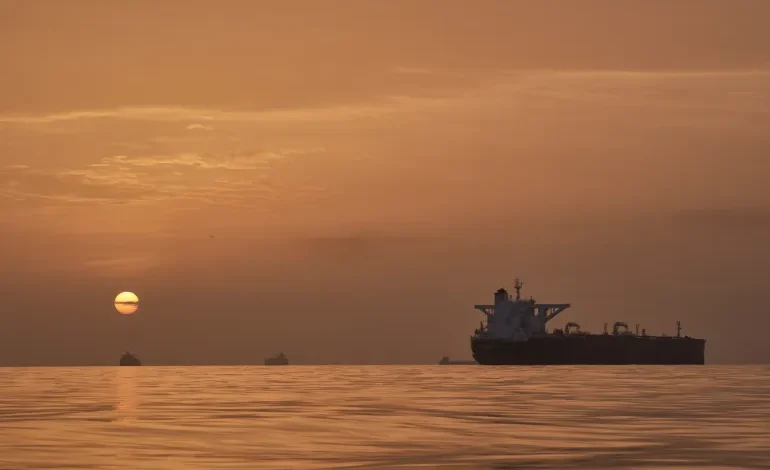


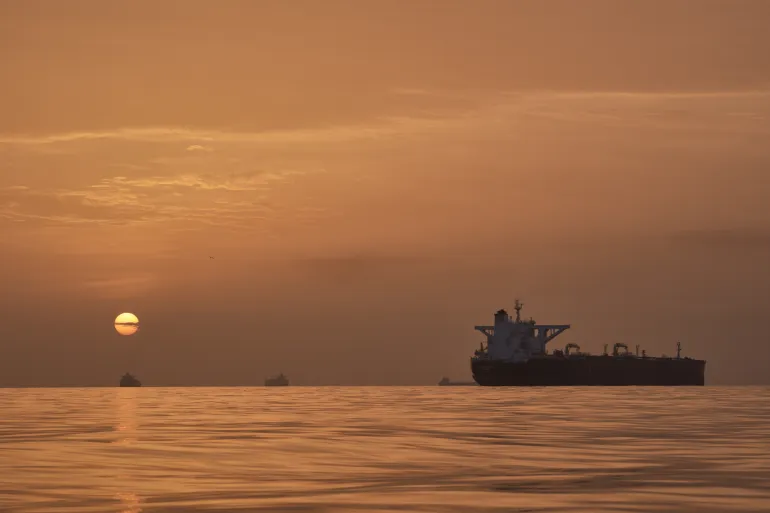
Oil markets opened the week on edge, reacting to a mix of military incidents in the Strait of Hormuz and mixed signals on diplomacy between the United States and Iran.
Brent crude futures, the global benchmark, surged more than 7 percent in Asian trading on Monday as expectations for a near-term de-escalation weakened. The move reflects how tightly energy markets are tied to developments in the narrow waterway, which typically carries about one-fifth of global oil and gas supplies.
The disruption is already visible in shipping data. Nineteen vessels crossed the strait on Saturday, up from 10 the previous day, but still far below the historical average of 138 daily transits, according to the UKMTO. That gap helps explain why governments are turning to emergency reserves and pushing energy-saving measures as prices ripple through global markets.
Despite the geopolitical strain, equity markets in Asia showed a degree of resilience. Japan’s Nikkei 225 rose more than 1 percent in early trading, South Korea’s KOSPI gained about 1.3 percent, Hong Kong’s Hang Seng Index added roughly 0.5 percent, and Shanghai’s SSE Composite climbed more than 0.4 percent. The divergence between oil and equities suggests investors are weighing short-term disruption against broader economic expectations.
Prices later eased slightly but remained elevated. By 02:05 GMT, Brent was trading at $94.69 a barrel, up from just under $90.40 on Friday.
The latest spike followed a series of developments over the weekend. US President Donald Trump said US forces had seized an Iranian-flagged cargo vessel that attempted to bypass the blockade of Iran’s ports. Around the same time, the United Kingdom Maritime Trade Operations centre reported attacks on two commercial vessels in the strait — one tanker fired upon by Iranian gunboats and a container ship hit by an “unknown projectile”.
Tehran’s messaging added another layer of uncertainty. After declaring the strait “completely open” on Friday, Iranian authorities reversed course within a day, citing the ongoing US blockade. The shift underscored how fluid the situation remains, with operational conditions changing faster than official statements.
Diplomatic signals have been just as inconsistent. On Sunday, Trump said a US delegation would travel to Pakistan for a second round of ceasefire talks. But Iran’s state outlet IRNA later reported that Tehran would not participate, pointing to the US blockade and what it described as “excessive demands” and “unrealistic expectations”.
The current two-week ceasefire is set to expire on Wednesday, and the lack of alignment on talks leaves little clarity on what comes next. An earlier round of negotiations in Islamabad ended without agreement, and the latest developments suggest the gap between the sides remains unresolved.

The latest news in your social feeds
Subscribe to our social media platforms to stay tuned