


Market Watch, Bloomberg, Reuters, CNBC contributed to this report.
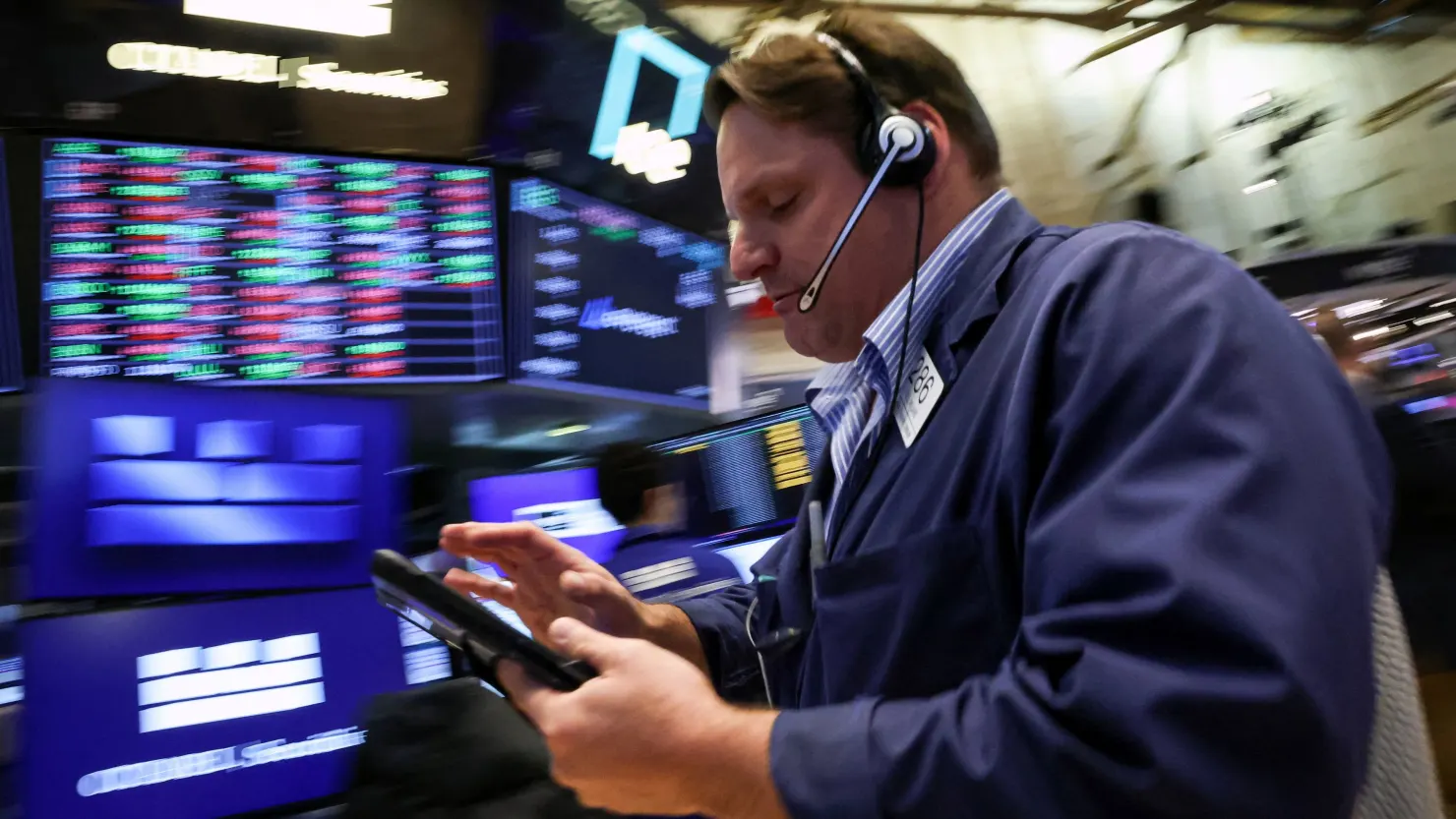
Wall Street started the day upbeat. It didn’t last.
Stocks gave up early gains Tuesday as doubts crept in over whether Iran will even show up for another round of talks with the US in Pakistan. With a cease-fire deadline looming, that uncertainty was enough to rattle investors.
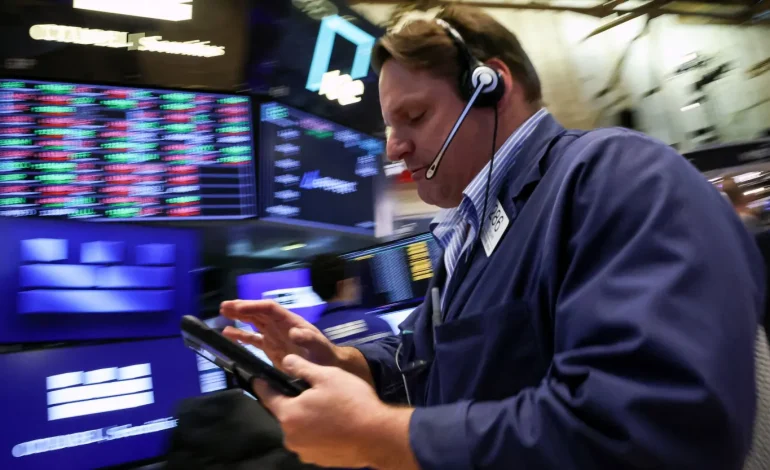
By midday, the mood had shifted. The Dow Jones Industrial Average dropped about 220 points, while the S&P 500 and Nasdaq both edged lower, each slipping around half a percent. Not a dramatic sell-off, but the confidence from last week’s rally clearly took a hit.
The tension comes down to one thing: no one’s sure a deal is coming. Reports suggest Vice President JD Vance’s planned involvement in negotiations has been paused, with Tehran showing little commitment. That’s not what markets wanted to hear.
President Donald Trump struck a mixed tone earlier in the day. He said a “great deal” with Iran is still possible – but also made it clear the US military is ready to act if no agreement is reached before the cease-fire expires. No extension, either.
Oil traders reacted fast. Prices reversed recent declines, climbing sharply on fears the conflict could drag on. US crude jumped about 4%, pushing past $93 a barrel, while Brent crude moved closer to $100. Energy markets are once again tracking headlines, not fundamentals.
There’s a long memory here. Investors know how fragile these negotiations can be. As one strategist put it, trust isn’t exactly abundant when it comes to US-Iran relations, and even if a deal is reached, questions remain about whether it would hold.
Still, not everyone is hitting the panic button. Some on Wall Street see this as a bump, not a reversal. Corporate earnings have been strong, and that’s providing a cushion. First-quarter results continue to come in better than expected, helping limit the downside.
Take UnitedHealth, for example. The insurer beat estimates and raised its outlook, sending shares sharply higher. That kind of performance is helping keep broader losses in check.
Elsewhere, big tech is still drawing attention. Amazon ticked higher after doubling down on artificial intelligence investments, signaling that long-term growth bets are still very much in play despite geopolitical noise.
Meanwhile, on Capitol Hill, Federal Reserve chair nominee Kevin Warsh took his turn in the spotlight. His testimony before the Senate added another layer for markets to process, especially as investors look for clues on future interest rate policy – and how independent the Fed will remain under political pressure.
For now, though, geopolitics is in charge. The clock is ticking on the cease-fire, and until there’s clarity on whether talks will happen – or collapse – markets are likely to stay on edge.


The latest news in your social feeds
Subscribe to our social media platforms to stay tuned