


With input from Bloomberg and Reuters.
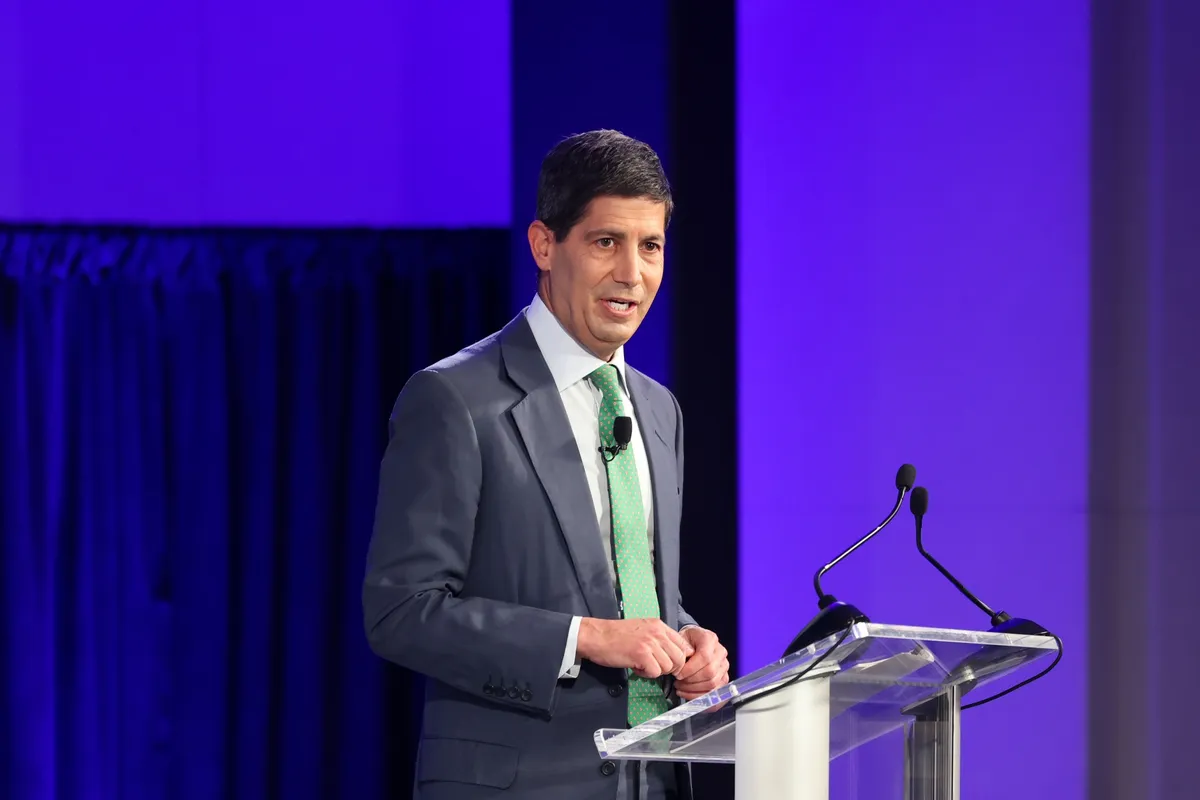
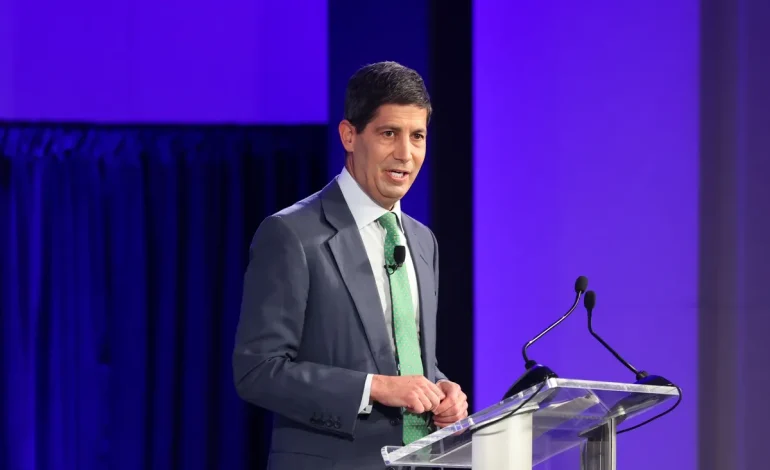
Bond investors think they may have found their next tailwind – and his name is Kevin Warsh.
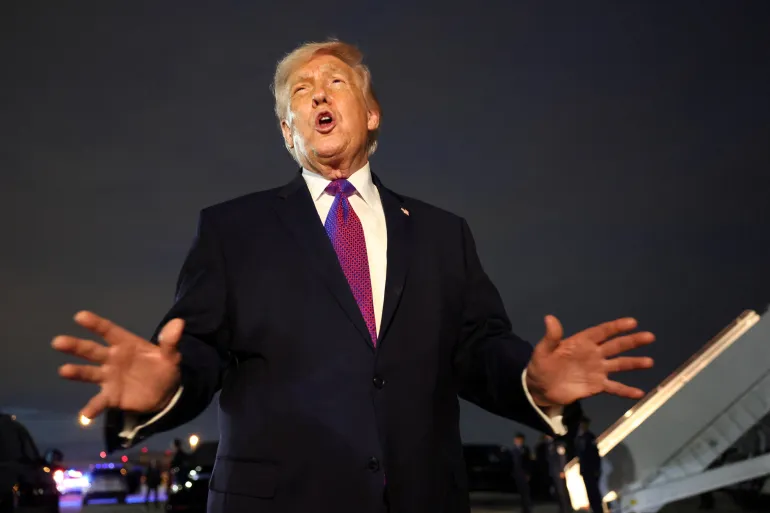
Tapped by Donald Trump to replace Jerome Powell at the Federal Reserve, Warsh is heading into his confirmation hearing with a clear message: the current playbook isn’t working, and he wants to rewrite it.
That’s music to the ears of bond bulls. If his views translate into policy, Treasury yields could have further to fall.
Warsh has been blunt. He’s called for a “regime change” at the Fed, arguing that years of policy missteps fueled inflation and eroded credibility. Continuity, in his view, isn’t the answer. A reset is.
Rates are at the center of it. Warsh has repeatedly said they should be lower, and he sees a path to get there – shrink the Fed’s massive balance sheet and redirect that firepower toward easing borrowing costs for households and businesses.
He also takes a different line on inflation. While many policymakers still tread carefully, Warsh argues that structural forces – especially advances in AI – could push prices down over time. That opens the door, at least in theory, to a more relaxed stance on rates.
There’s more. He wants the Fed to do less, not more.
In recent years, the central bank has weighed in on everything from climate risks to financial stability beyond its traditional remit. Warsh thinks that’s a mistake. The broader the mission, the harder it becomes to deliver on the basics: stable prices and maximum employment.
He’s also pushing for tighter coordination with the US Treasury – not political alignment, he insists, but clearer communication. The idea is to give markets a roadmap: where the balance sheet is headed, how debt issuance will evolve, and what the endgame looks like.
And then there’s the way the Fed talks.
Right now, it’s a chorus of voices – 19 policymakers, each offering their own take. Warsh calls it “cacophony.” He wants fewer mixed signals, more clarity, and less constant commentary reacting to every data point.
Whether any of this becomes reality is another question. As policymakers like San Francisco Fed President Mary Daly have pointed out, the economy tends to have the final say, no matter who’s in charge.
Still, the direction is clear enough for markets to start positioning. If Warsh follows through with a more dovish tilt – lower rates, leaner balance sheet, simpler messaging – bond investors could get exactly what they’ve been waiting for.

The latest news in your social feeds
Subscribe to our social media platforms to stay tuned