




NPR and Bloomberg contributed to this report.
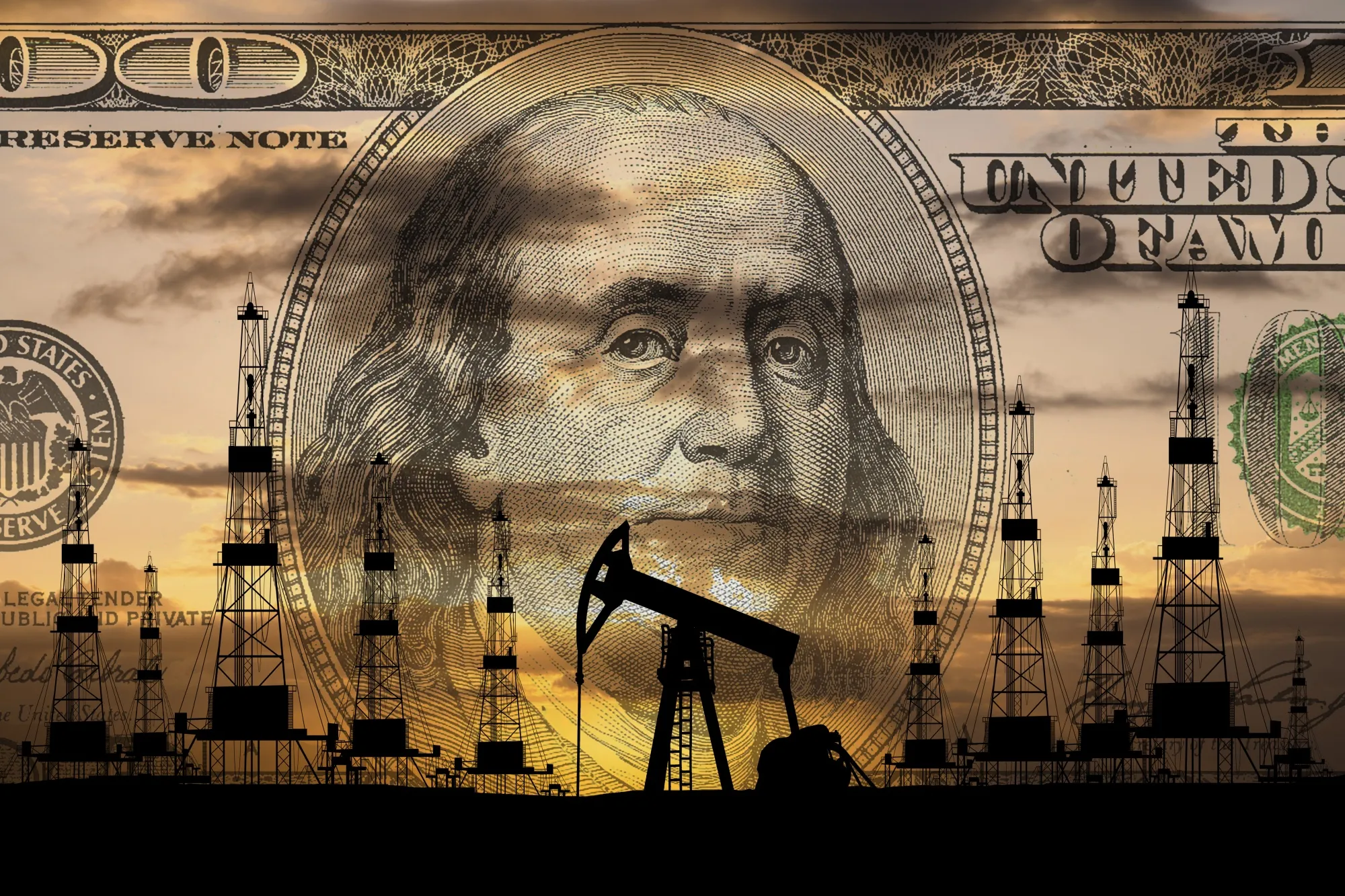
For decades, the global oil trade has quietly reinforced the dominance of the US dollar. Buy oil, use dollars. That’s been the basic rule for more than half a century. Now, with the Iran war dragging on, cracks in that system are getting harder to ignore.
At the center of it all is the so-called petrodollar setup – an arrangement that tied oil sales to the dollar and, in turn, cemented America’s financial influence worldwide. It helped keep demand for dollars high, boosted US borrowing power, and gave Washington a powerful economic tool. Simple in theory. Enormously consequential in practice.
But wars have a way of stress-testing old systems. This one is no exception.
Reports suggest Iran has started accepting payments – or at least tolls tied to oil flows – in Chinese yuan. That may sound like a small tweak. It isn’t. Any shift away from dollar-based oil transactions chips at the foundation of a system that’s been remarkably stable since the 1970s.
The timing matters. Global tensions are already reshaping trade routes, energy flows, and alliances. The Strait of Hormuz – one of the world’s most critical oil chokepoints – has become a focal point again. When oil stops moving smoothly, countries start improvising. And when they improvise, they don’t always stick to old rules.
There’s also a broader push, especially from countries like China, to internationalize their currencies. The yuan showing up in oil-related transactions isn’t random. It’s part of a longer strategy to reduce reliance on the dollar and build parallel systems that don’t run through Washington.
If that shift gathers momentum, the implications get big, fast.
A weaker petrodollar system could mean less global demand for US dollars. That, in turn, could make it more expensive for the US to borrow money and finance deficits. It might also dilute the effectiveness of sanctions, one of Washington’s go-to tools in geopolitical conflicts.
Still, perspective matters. The dollar isn’t about to lose its crown overnight. It remains deeply embedded in global finance, from central bank reserves to international trade contracts. There’s no easy replacement waiting in the wings.
But the direction of travel is what investors and policymakers are watching. A few transactions in yuan today could turn into broader diversification tomorrow.
And wars tend to accelerate trends that were already in motion.
The petrodollar system isn’t collapsing. Not yet. But it’s being tested in real time – by geopolitics, by shifting alliances, and by countries increasingly willing to experiment outside the dollar’s orbit.
That’s a slow burn story. Until it isn’t.



The latest news in your social feeds
Subscribe to our social media platforms to stay tuned