



Feds pitch wild horse removals, new herd plans to ease impacts on 750K acres of the Red Desert
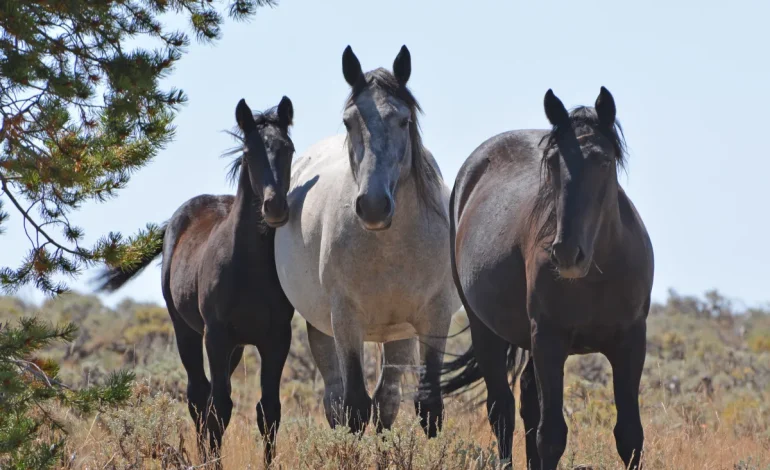

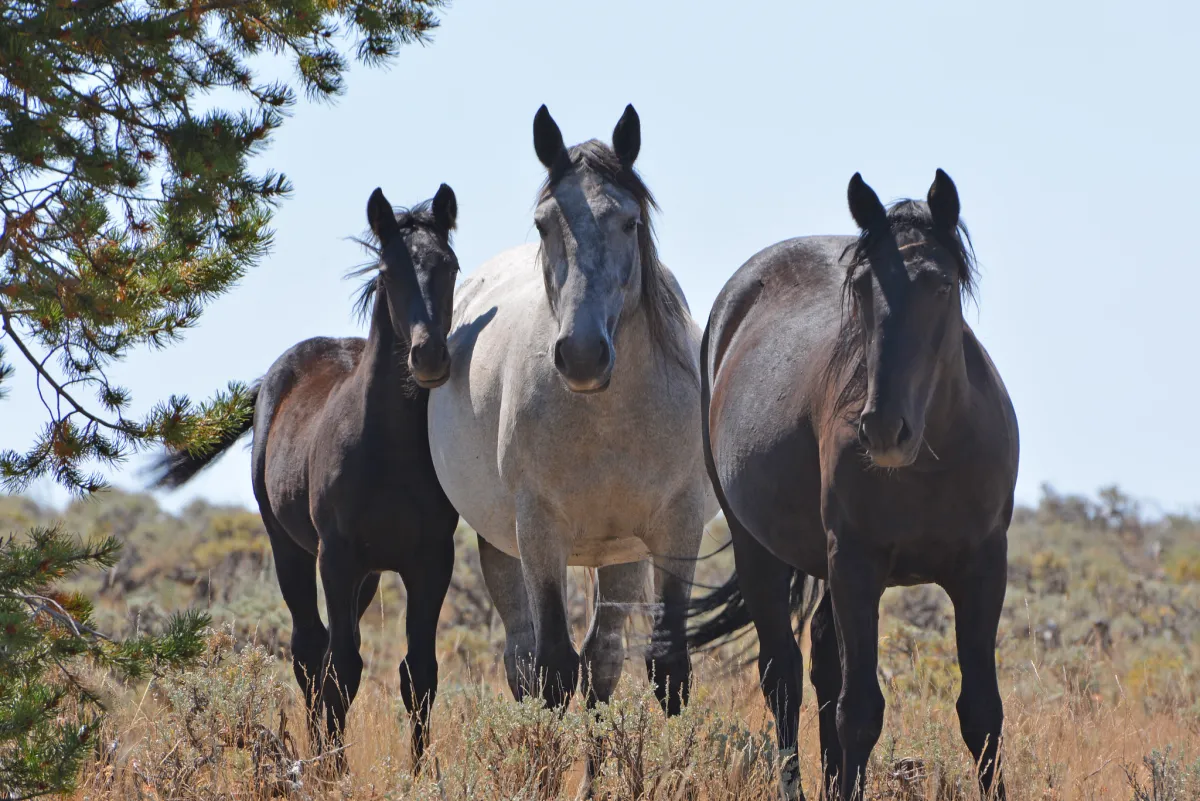
The vast majority of free-roaming horses occupying a large swath of Wyoming’s Red Desert could be rounded up and trailered away to long-term pastures if Bureau of Land Management plans now being reviewed come to pass. Potential roundups could target thousands of animals in the Green Mountain, Stewart Creek, Antelope Hills, Crooks Mountain and Lost Creek herds, which dwell on approximately 753,000 acres north of Interstate 80.
Collectively known as the “Red Desert complex,” the herds are separate from three other herds roaming the public-private “checkerboard” portion of the Red Desert. BLM has long sought to entirely remove those three herds, but that plan is tied up in litigation and on hold until at least October. Instead of eliminating the Red Desert complex herds, the BLM seeks to knock down numbers to an “appropriate management level” to balance “the needs of wildlife, livestock, recreation and the long‑term health of the range,” an agency spokesperson told WyoFile in an emailed statement.
Documents accompanying BLM’s proposal contend that the nonnative free-roaming horses have impacted the Red Desert’s ecological health. “Rangeland resources within the complex have experienced adverse effects as a result of wild horse overpopulation,” states the evaluation report for the Stewart and Lost Creek herds. “Monitoring data specific to this area indicated that past excessive wild horse populations were linked to historical riparian degradation.” University of Wyoming-led research that included three of the herds shows that overpopulated horses are correlated with declining juvenile sage grouse survival rates.
The Red Desert complex herds are overpopulated based on “appropriate management levels” established in the early 1990s. The goal is for the herds to include somewhere between 480 and 724 total animals, but as of early March the population was estimated at 1,970 horses and expected to grow to 2,300 by the fall. Free-roaming horses face little natural predation and have high survival rates. The herds can grow by about 20% annually — a clip that enables them to double every five years or so.



The latest news in your social feeds
Subscribe to our social media platforms to stay tuned