


Deadly crash in Mexico exposes blurred lines in US security role

What began as a routine operation targeting clandestine drug labs in northern Mexico has turned into a revealing moment about how the United States operates on the ground — and how little of it is publicly acknowledged.
Two U.S. officials killed in a vehicle crash over the weekend in Chihuahua state were working for the CIA, according to a U.S. official and two other people familiar with the matter. Two Mexican investigators also died in the incident, which occurred as a convoy was returning from destroying facilities linked to criminal groups.
At first, the deaths were described in more general terms. The U.S. ambassador to Mexico identified the Americans as embassy personnel, and official statements framed their role as support for local authorities. But the confirmation of CIA involvement — reported after several days of limited and sometimes conflicting information — shifts the context of what happened from a technical operation to something more politically sensitive.
The lack of clarity has drawn attention on both sides of the border. Mexican and U.S. officials have offered inconsistent accounts of the operation, and in some cases walked back earlier statements. That uncertainty has fed into a broader question: how extensive is U.S. involvement in Mexico’s internal security operations?
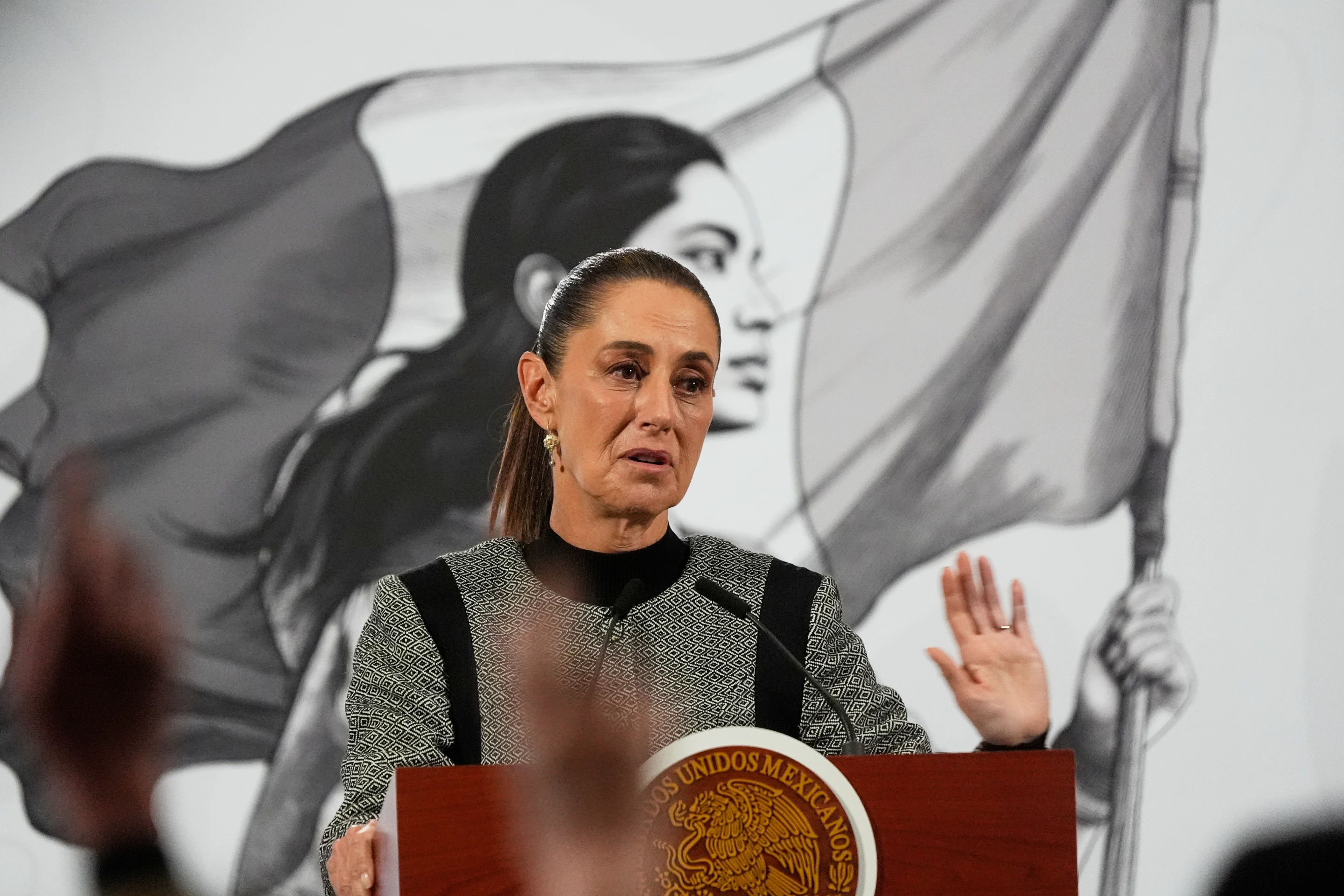
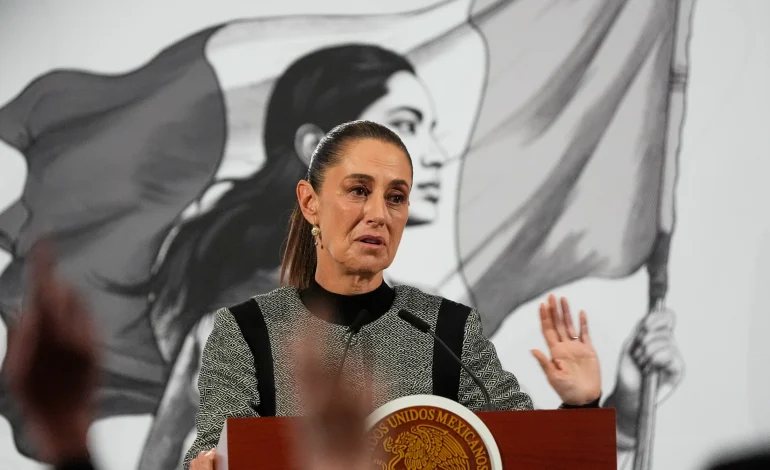
For Mexican President Claudia Sheinbaum, the issue lands at a difficult moment. She is facing pressure from the Trump administration to take a tougher stance against cartels, while also emphasizing Mexico’s sovereignty.
“It was not an operation that the security cabinet was aware of,” she said earlier, adding that the federal government had not been informed. At the same time, she acknowledged that local authorities and the United States “were working together.”
The contradiction reflects a familiar pattern. Cooperation between U.S. and Mexican security agencies is not new, but it often exists in a gray zone — publicly limited to information-sharing, while operational details remain opaque. The presence of U.S. personnel, particularly intelligence officers, complicates that balance.
The embassy has declined to confirm the identities of the individuals or their affiliation, and both the State Department and the CIA have avoided direct comment. Local officials in Chihuahua initially suggested joint operational involvement, then clarified that U.S. personnel were not part of the lab raid itself, instead joining later.
That sequence has only reinforced the sense that the official narrative is still being shaped after the fact.
The timing adds another layer. The Trump administration has taken an increasingly assertive approach across the region, including military actions in Venezuela, a blockade affecting Cuba, and joint operations in Ecuador. Against that backdrop, even limited U.S. involvement inside Mexico carries more weight — politically and symbolically.
Trump has repeatedly suggested direct action against Mexican cartels, an idea Sheinbaum has described as “unnecessary.” At the same time, cooperation on drug enforcement has deepened, including intelligence-sharing and, in some cases, operational support.
Security analyst David Saucedo captured that tension directly.
“There is a rise of hidden operations by the United States in Mexico under Trump,” he said. “They’re hidden because … the Mexican government has a discourse that they can’t permit the presence of armed U.S. agents — it’s a kind of violation of sovereignty. The Mexican government has always tried to hide this collaboration.”


The latest news in your social feeds
Subscribe to our social media platforms to stay tuned