

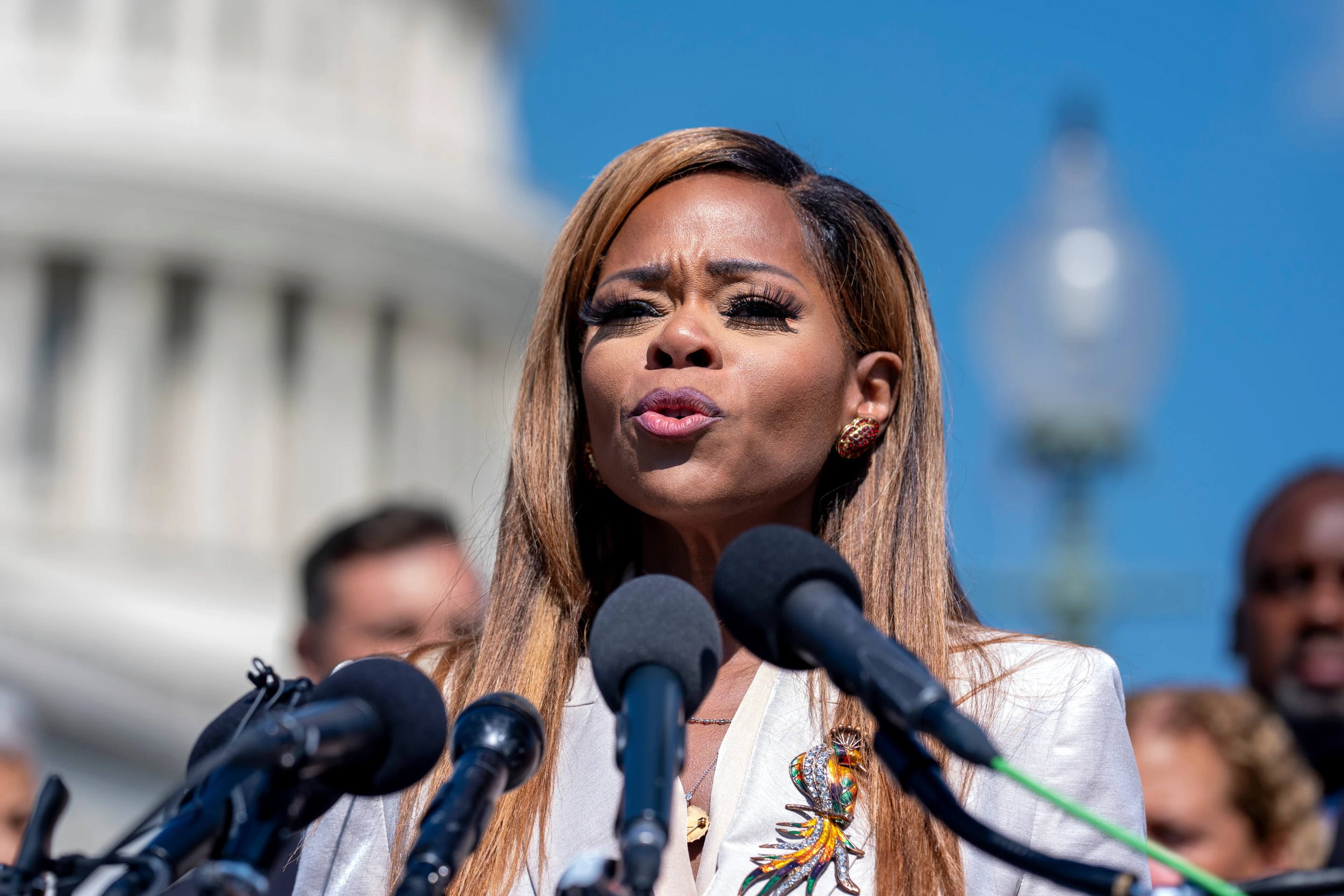


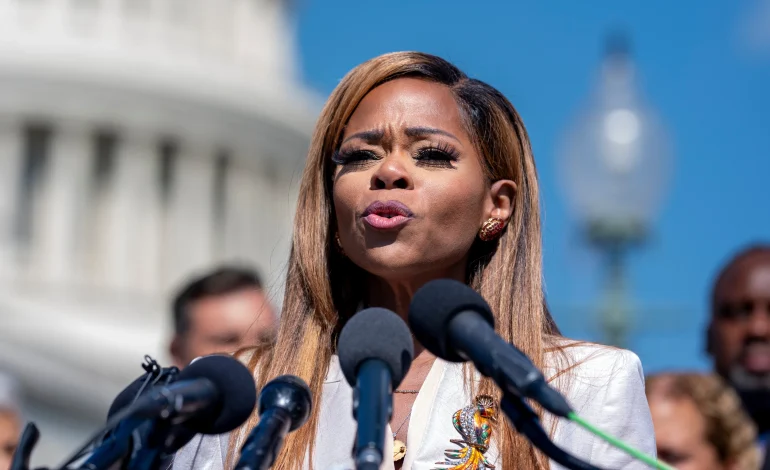

Sheila Cherfilus-McCormick left Congress on Tuesday just before a hearing that could have formalized her removal, bringing a two-year ethics investigation to an abrupt political end.
The timing was precise. The House Ethics Committee had already concluded that the Florida Democrat violated multiple federal laws and internal rules, and momentum inside her own party was shifting against her. By stepping down moments before the hearing, she avoided a formal recommendation for expulsion — one of the most serious disciplinary actions available in Congress.
In her resignation statement, Cherfilus-McCormick challenged both the process and its conclusions. She said the committee denied her new attorney more time to prepare a defense and described the investigation as a “witch hunt,” framing her decision as a refusal to engage in what she called political maneuvering.
“But let me say this plainly: we should be very careful about the precedent we are setting in this country, we do not punish people before due process is complete,” she said. “We do not allow allegations alone to override the will of the people. That is a dangerous path, and one that should concern every American, regardless of party.”
The argument draws a clear line between allegations and adjudication. But in this case, the political process had already moved ahead of the legal one. Cherfilus-McCormick is facing federal criminal charges accusing her of diverting $5 million in COVID-era disaster relief funds and using the money for personal purchases, including a 3-carat yellow diamond ring. She has pleaded not guilty and denies both the criminal and ethics allegations.
The underlying case centers on payments made to her family’s healthcare business after it received an overpayment of federal relief funds. Investigators allege that money was later funneled through a network of businesses and relatives to support her 2022 congressional campaign. Her legal team has pushed back, arguing they were not given the opportunity to fully contest those claims in a comprehensive ethics proceeding.
Her refusal to testify before the committee, citing the Fifth Amendment, underscored the legal stakes but also shaped the political narrative. While the move protects her in the criminal case, it limited her ability to counter the committee’s findings in the public arena.
The resignation also lands in a broader pattern. It is the third departure from the House in just over a week, following the exits of Eric Swalwell and Tony Gonzales, both of whom were facing sexual misconduct allegations and possible expulsion. The clustering of resignations suggests a chamber increasingly willing to act quickly when ethical or legal concerns escalate.
For Cherfilus-McCormick, the immediate political consequence is clear: her seat is now vacant, and the ethics process effectively stops here. The legal process, however, continues — and will now unfold outside the pressures of congressional discipline.
More broadly, the episode reflects a recurring tension in Washington: the gap between legal innocence and political viability. Even without a final ruling, the accumulation of findings, charges and internal pressure was enough to force an exit.

The latest news in your social feeds
Subscribe to our social media platforms to stay tuned