

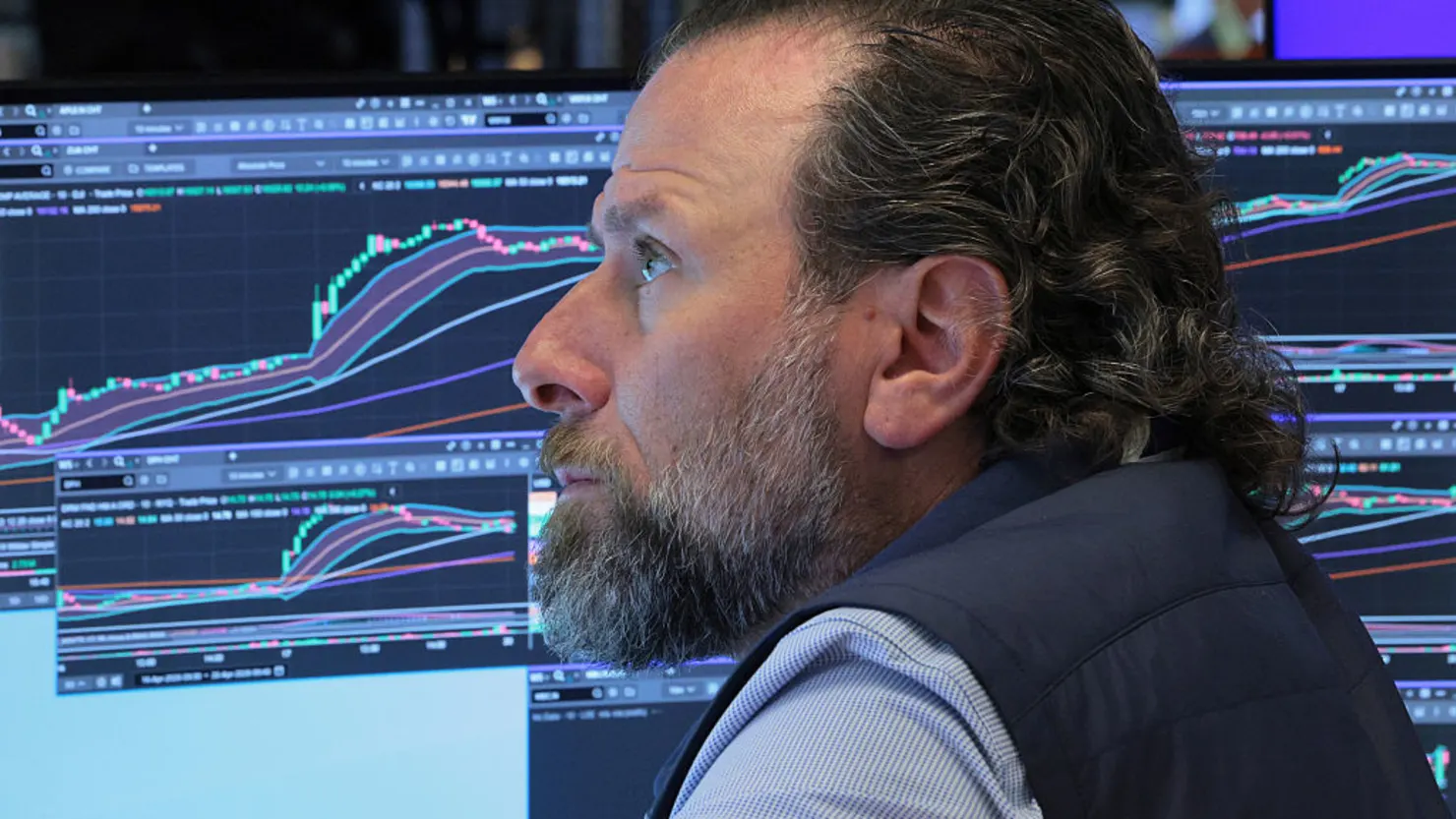



Wall Street Shrugs off Iran Tensions as Nasdaq Notches Fresh Record

Reuters, Market Watch, CNBC, the New York Times, Quartz, the Wall Street Journal contributed to this report.
Stocks pushed higher Wednesday, with investors taking their cue from a mix of easing geopolitical nerves and solid earnings – even as tensions in the Middle East refused to fully cool.
The spark came late Tuesday, when Donald Trump said the US would extend its ceasefire with Iran indefinitely, just hours before it was due to expire. The move signaled more time for talks, and less immediate risk of escalation.
Markets didn’t exactly celebrate – but they didn’t panic either.
The Nasdaq jumped 1.4%, hitting a new all-time intraday high. The S&P 500 climbed 0.9%, continuing a rebound that’s already wiped out its earlier war-related losses. The Dow added a more modest 267 points.
Investors, it seems, are already looking past the conflict.
Oil prices, though, are telling a different story. Brent crude pushed above $100 a barrel after Iran reportedly seized ships in the Strait of Hormuz, which remains largely shut despite the ceasefire extension. Supply is still tight, and that’s keeping pressure on inflation and growth expectations.
Even so, equities are holding up. The broader view on trading desks: the worst-case scenarios – the kind that send oil to $200 and markets into a tailspin – are fading from the picture.
That shift is showing up in positioning. Traders who piled into defensive bets during the early days of the conflict are now unwinding them, rotating back into riskier assets as earnings season gathers pace.
And earnings are doing their part.
More than 80% of S&P 500 companies reporting so far have beaten expectations. Big movers helped set the tone: Boeing surged after posting a smaller-than-expected loss, while GE Vernova jumped on strong revenue. The message from corporate America hasn’t been euphoric, but it’s been good enough.
There’s a growing sense that markets are reverting to their usual playbook – geopolitics flares up, volatility spikes, then attention drifts back to profits, valuations, and growth.
Still, the calm comes with a caveat.
The Strait of Hormuz isn’t reopening anytime soon, and as long as that choke point stays restricted, oil supply remains under pressure. That’s the kind of slow-burn risk that doesn’t crash markets overnight but can quietly eat into margins and consumer spending over time.
For now, though, investors seem willing to ride the momentum.
The Nasdaq is at record highs. The S&P 500 is back in positive territory. And despite everything happening in the background, the market’s gaze has already shifted forward – to earnings, to valuations, and to what comes next.



The latest news in your social feeds
Subscribe to our social media platforms to stay tuned