
Trump’s Fed Nominee Tries to Shake ‘Yes-man’ Doubts under Senate Spotlight

The New York Times, CNBC, and Forbes contributed to this report.
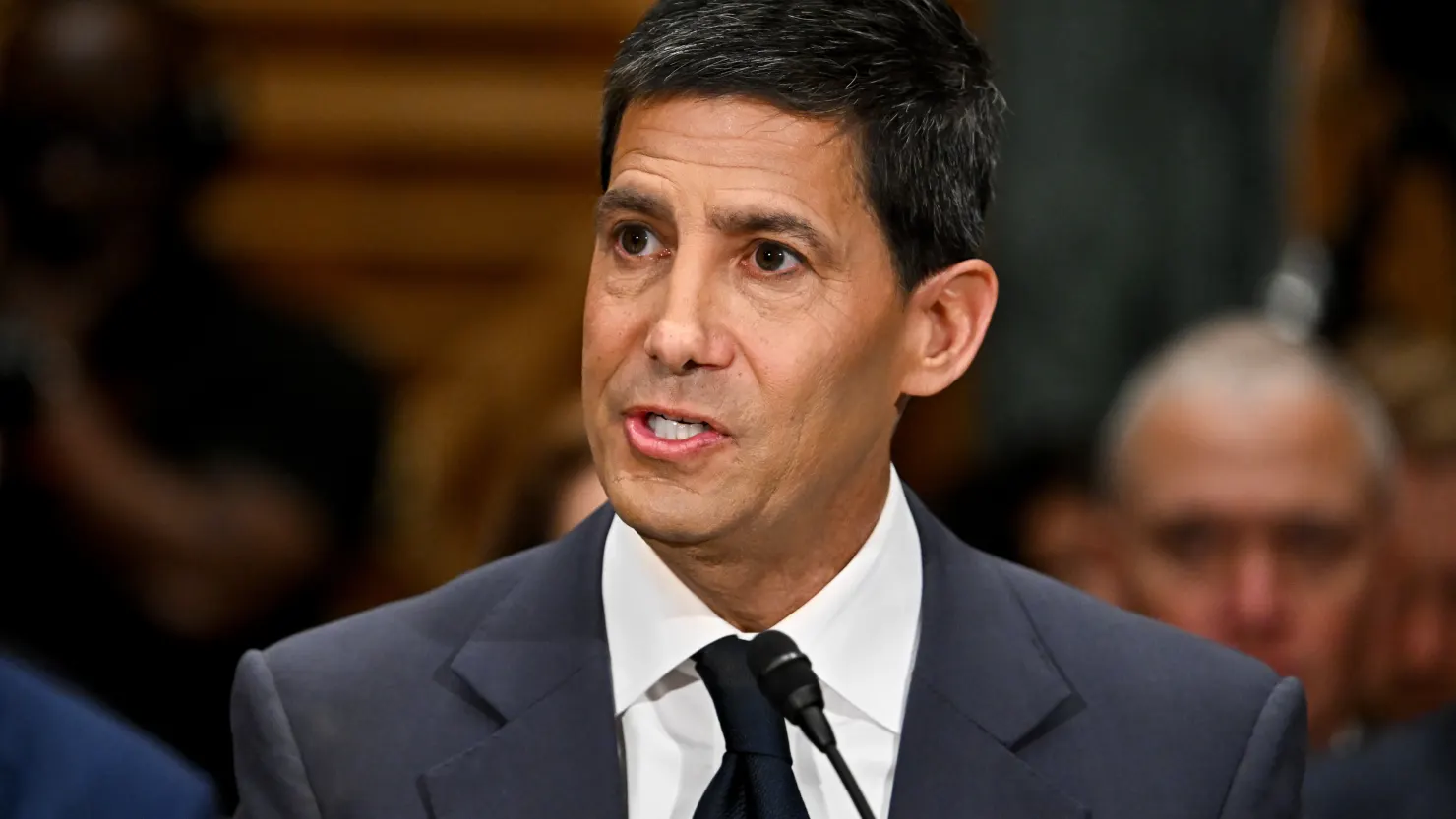
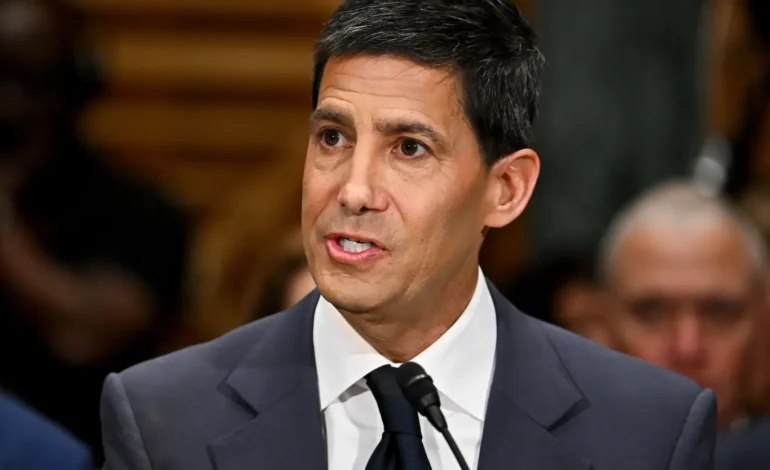
Kevin Warsh walked into his confirmation hearing with a label already hanging over him – and spent much of the day trying to peel it off.
At a tense session before the Senate Banking Committee, Donald Trump’s pick to lead the Federal Reserve insisted he wouldn’t be anyone’s puppet, even as lawmakers pressed him on whether he’d cave to White House pressure for lower interest rates.
“Monetary policy independence is essential,” Warsh told senators, leaning hard on the idea that the Fed should act without political interference.
That’s been the core concern from Democrats, who worry the central bank could drift closer to the administration if he takes over.
The skepticism isn’t coming out of nowhere. Trump has repeatedly blasted current Fed chair Jerome Powell for keeping rates too high, and has made it clear he expects cuts. He even said he’d be “disappointed” if a Warsh-led Fed didn’t deliver.
That puts Warsh in a tricky spot: reassure markets he’ll stand firm, without alienating the president who nominated him.
He tried to thread that needle by focusing on how he’d actually run policy. Interest rates, he said, should remain the Fed’s main tool – a cleaner, fairer way to steer the economy than fiddling with the balance sheet. It’s a technical argument, but also a subtle signal: decisions would be grounded in economics, not politics.
Still, the questions kept coming. Elizabeth Warren pushed him on his independence and took aim at his finances, reviving concerns about the scale – and opacity – of his wealth. Warsh disclosed assets potentially worth hundreds of millions, with even more tied to his wife, Jane Lauder.
Some of those holdings remain vague due to confidentiality agreements, which hasn’t helped calm critics. Warsh said he would divest if confirmed, but for now, the details are still murky.
Behind the political theater sits a much bigger issue: whoever runs the Fed next will shape borrowing costs across the economy. Credit cards, mortgages, savings rates – all of it flows from the central bank’s decisions.
And the timing isn’t great. Inflation pressures haven’t fully eased, the Iran conflict is pushing up energy prices, and the Fed is already walking a tightrope between cooling prices and avoiding a slowdown.
Warsh isn’t promising any sudden pivot. If anything, he hinted at continuity, stressing the need for careful, data-driven moves. That lines up with expectations that the Fed will hold rates steady in the near term, even as political pressure builds.
Whether that stance holds if he gets the job is the real question.
For now, his message is simple: he’s not there to do the White House’s bidding. Convincing lawmakers – and investors – of that may take longer than one hearing.


The latest news in your social feeds
Subscribe to our social media platforms to stay tuned