





Bloomberg, CNBC, Reuters, the Wall Street Journal contributed to this report.
China’s industrial sector is having a moment – and it’s being powered by chips, code, and a wave of demand for smarter tech.
Profits at industrial firms jumped 15.8% in March from a year earlier, the fastest pace in six months. Zoom out, and the first quarter looks just as strong: earnings climbed 15.5%, marking one of the best starts to a year in nearly a decade.
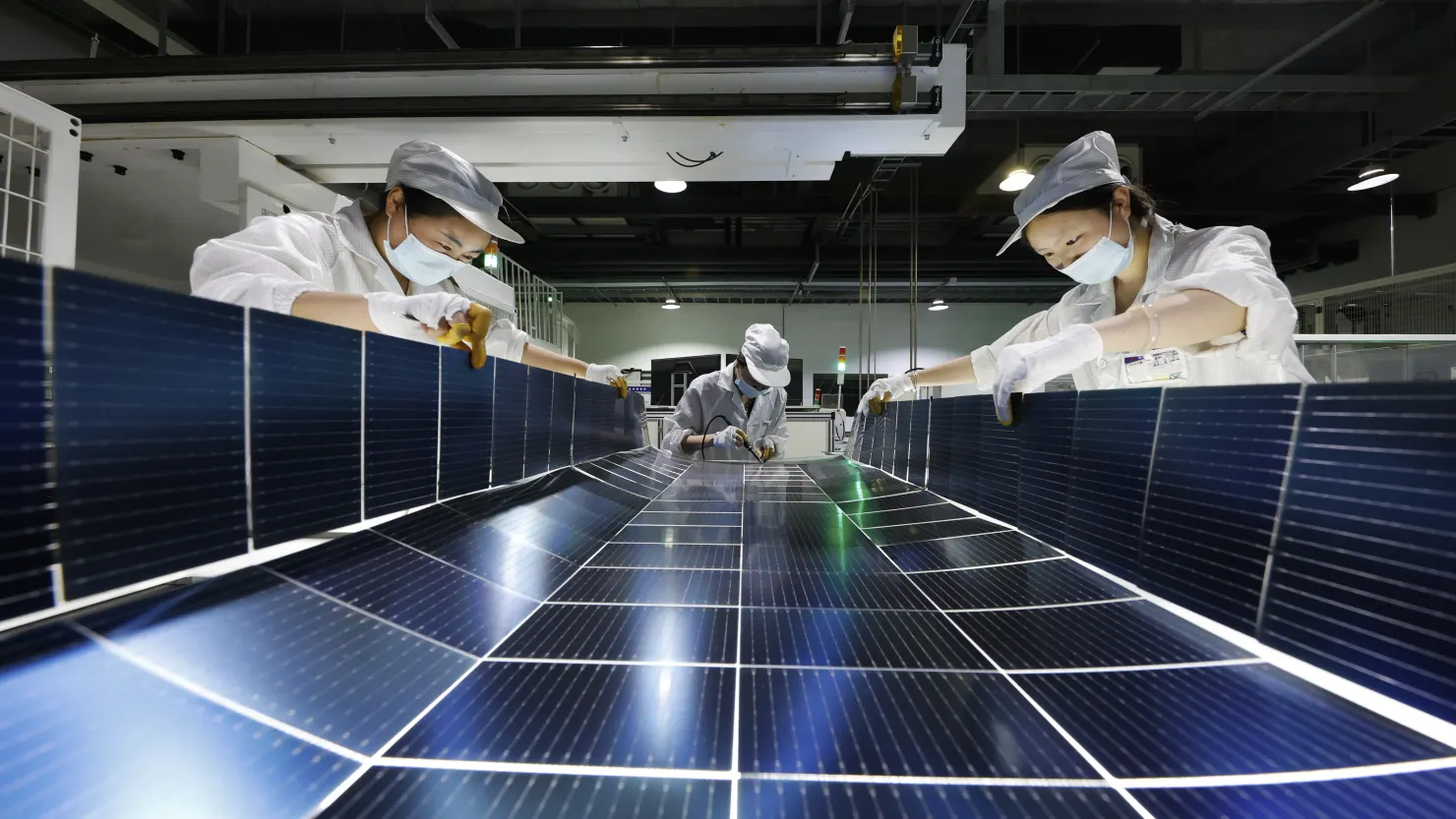
That momentum is coming from a clear place. High-tech manufacturing is firing on all cylinders.
Sectors tied to artificial intelligence and semiconductors are doing the heavy lifting. Profits in high-tech manufacturing surged more than 47% in the first three months of the year. Equipment makers weren’t far behind. Dig deeper, and the numbers get even more eye-catching – optical fiber producers saw profits explode more than threefold, while companies making display tech and optoelectronics posted strong double-digit gains.
It’s not just industrial gear. Demand for “smart” products is spreading into consumer and emerging industries. Drone makers, for example, reported profit growth north of 50%.
Exports are helping keep the engine running. Overseas demand picked up sharply in the first quarter, giving manufacturers an extra boost just as domestic conditions remain uneven.
Still, there’s a shadow hanging over all of this: energy.
Oil prices have surged since the Middle East conflict escalated, pushing up costs across global supply chains – especially for materials like chemicals, plastics, and fibers. That kind of pressure usually squeezes manufacturers.
China, though, has some insulation. Its energy mix leans heavily on coal and renewables, which softens the blow compared to economies more dependent on oil. Surveys suggest many Chinese firms are seeing smaller cost shocks than peers elsewhere.
There’s also a more immediate buffer. Large stockpiles of Iranian crude – both onshore and sitting in tankers offshore – have helped cushion supply disruptions. For now, that запас is buying time.
But it’s not a free pass.
If oil stays elevated, margins will feel it. And if global demand weakens – a real risk as higher energy costs ripple through other economies – China’s export momentum could lose steam.
At home, the picture is mixed. The property slump hasn’t gone away, and cautious consumers are still watching their spending. That’s kept price competition intense in some industries, even as rising commodity prices are starting to ease deflation pressures.
For now, though, the headline is clear: China’s industrial profits are rising fast, and the AI and semiconductor boom is driving much of it.
The next question is how long that strength can hold once the energy shock fully works its way through the system.



The latest news in your social feeds
Subscribe to our social media platforms to stay tuned