

Iran signals harder line as talks with US stall
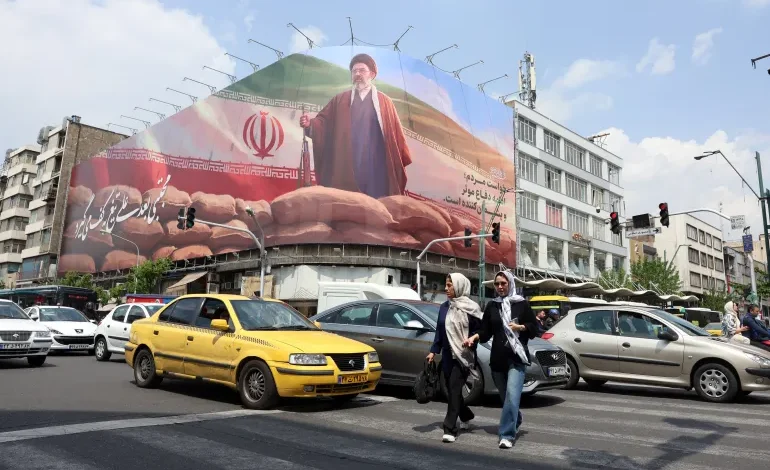

Iran’s leadership appears to be stepping back from the idea of renewed negotiations with the United States, at least on terms set by Washington, after a planned round of mediated talks failed to materialise in Pakistan.
Foreign Minister Abbas Araghchi’s trip to Islamabad over the weekend was expected to be part of that process. Instead, it became a waypoint in a broader diplomatic circuit — he left for Oman and is set to continue on to Russia — with no meeting with US envoys taking place.
Araghchi struck a cautious tone, suggesting the issue is no longer logistics, but trust.
“yet to see if the US is truly serious about diplomacy”
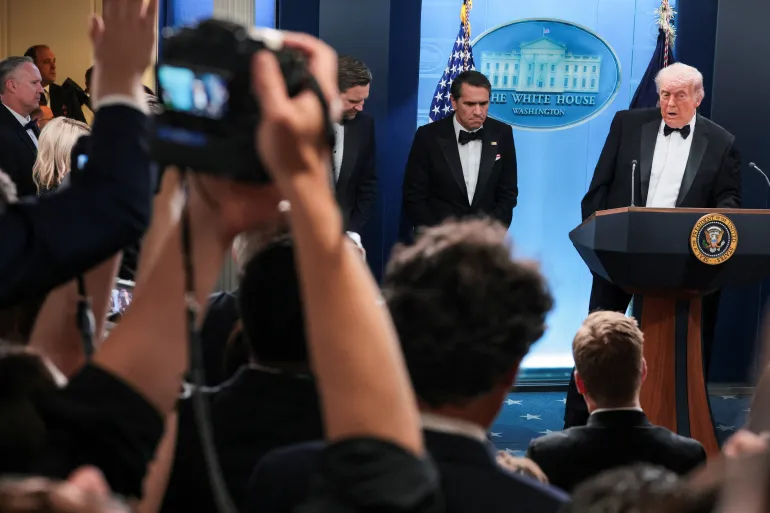
On the US side, the shift was more abrupt. Envoys Steve Witkoff and Jared Kushner had been expected in Pakistan after the White House indicated Iran had requested a second round of direct talks. But President Donald Trump cancelled the trip, reverting to a more confrontational stance.
“we have all the cards, they have none”
“If they want to talk, all they have to do is call!!!”
The exchange captures the current dynamic: both sides publicly framing the other as responsible for the lack of progress, while raising the threshold for what any future talks might look like.
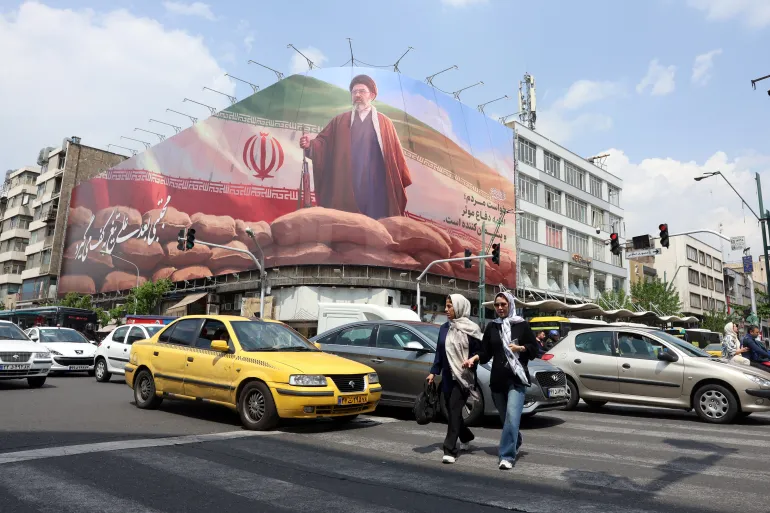
Inside Iran, the response has been tightly managed. With a near-total internet shutdown now approaching two months, state messaging has shifted toward projecting unity and resistance rather than openness to negotiation.
Officials across different branches of government have released near-identical statements emphasising cohesion, repeating language about “revolutionary” loyalty and “complete obedience” to Supreme Leader Mojtaba Khamenei. The coordination is deliberate, coming after Trump claimed, without evidence, that Iran’s leadership was divided.
At the same time, authorities have amplified signals of public mobilisation. They say tens of millions have registered for a campaign expressing willingness to “sacrifice” their lives, though no independent verification has been provided.
The military messaging has followed a similar pattern. The Revolutionary Guard’s central command warned it would respond forcefully to continued US pressure in the region.
“We are prepared and determined to monitor the behaviour and movement of the enemies in the region and maintain management and control of the strategic Strait of Hormuz, and to inflict more severe damages on the American-Zionist enemies in case of another aggression,” the statement said.
That language has been reinforced visually, with state media broadcasting from vessels seized in the Strait of Hormuz to underscore what officials describe as “total control” over the waterway.
On the streets, the emphasis is on maintaining internal cohesion. Authorities have encouraged nightly rallies, where speakers frame unity as both a political and moral obligation.
“If anyone from any group or faction, especially in the name of being a revolutionary, tries to disturb the unity of the people, they will get a slap in the face by the people,” one speaker said at a gathering in Tehran.
But beneath that surface, there are signs of underlying tensions. In Mashhad, some voices have continued to push back against the possibility of reformist figures regaining influence, reflecting the factional divides that persist even as the official line stresses unity.
“They have instructed us to keep unity with incumbent officials, not these two people,” one speaker said, referring to former President Hassan Rouhani and former foreign minister Mohammad Javad Zarif.
The broader context is a country still operating under wartime conditions. Alongside the diplomatic and political messaging, the judiciary has continued to act against dissent, including announcing the execution of a protest-related detainee on Saturday.



The latest news in your social feeds
Subscribe to our social media platforms to stay tuned