





With input from Business Insider and OpenAI.
OpenAI just hit refresh on its guiding principles – and the tone feels very different from the wide-eyed manifesto it published back in 2018.
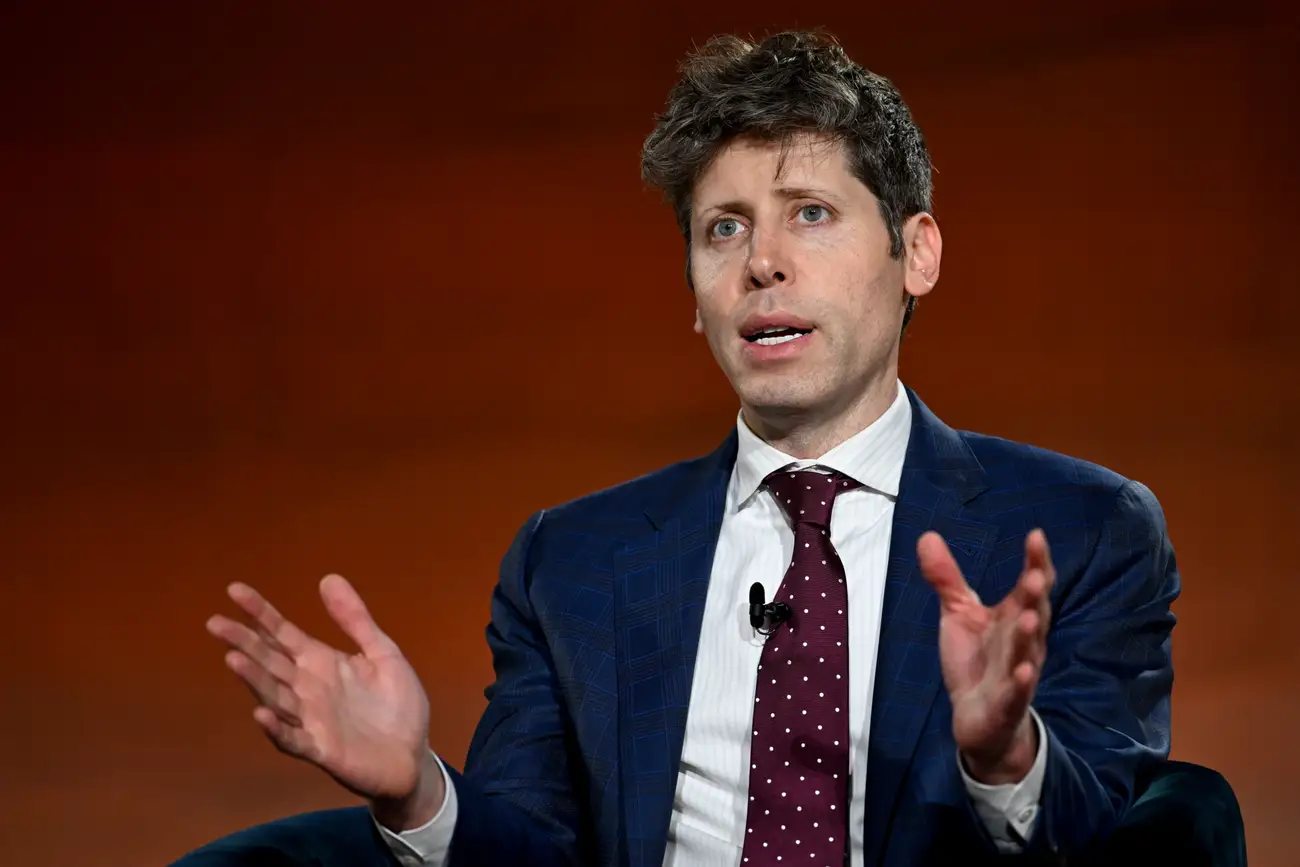
The new version, shared by CEO Sam Altman, isn’t a minor tweak. It’s a rethink. Same mission on paper, but the emphasis has shifted in ways that say a lot about where the company – and the AI race – stands today.
Start with the obvious: artificial general intelligence isn’t front and center anymore. The 2018 charter leaned hard into AGI as the endgame, name-checking it repeatedly and framing everything around getting there first, but safely. Now it barely comes up. The focus has widened to AI as it exists right now – tools rolling out in stages, shaping society piece by piece rather than some distant, all-powerful system arriving at once.
That change tracks with how the industry actually evolved. Instead of waiting for a breakthrough moment, companies are shipping increasingly capable models and figuring things out in public.
Then there’s competition. Back in 2018, OpenAI floated a pretty idealistic idea: if another lab got close to building AGI safely, it would step aside and help. That language is gone. In its place is something more pragmatic – and arguably more blunt. The new principles leave room for OpenAI to prioritize its own position when it counts, even if that means competing harder rather than cooperating.
That’s not happening in a vacuum. Rivals like Anthropic have been gaining traction fast, pushing out advanced models and pulling in serious investor attention. The AI race isn’t theoretical anymore, and OpenAI’s wording reflects that pressure.
The third shift is subtler but just as telling. The old charter sounded like a contract – full of “we will” and “we commit.” The new one reads more like a framework for everyone else, not just OpenAI. It talks about democracy in AI governance, new economic systems, and the need for massive infrastructure, but with fewer hard promises tied to the company itself.
Even the core idea of “AI for everyone” comes with a caveat now. The updated principles hint that there may be moments when broader access takes a back seat to stability or safety. That’s a notable hedge compared to the earlier, more absolute language.
None of this means OpenAI has abandoned its original mission. The document still talks about spreading benefits widely and avoiding concentrated power. But the tone has shifted from idealism to something closer to strategy.
Six years ago, the company was a smaller player sketching out how AI should unfold. Today, it’s one of the forces shaping how it actually does.



The latest news in your social feeds
Subscribe to our social media platforms to stay tuned