


US eases sanctions to keep Maduro trial on track


The United States has made a quiet but consequential adjustment in its sanctions policy on Venezuela — not to ease pressure on Caracas broadly, but to ensure that a high-profile criminal case in New York can proceed without procedural complications.
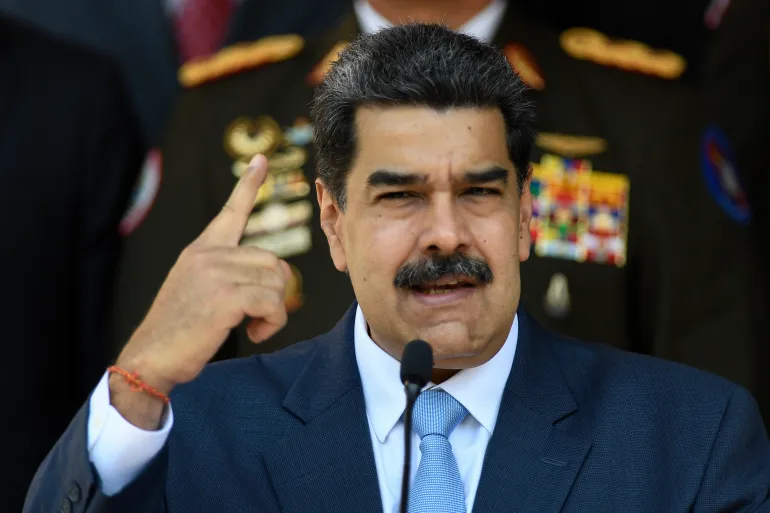
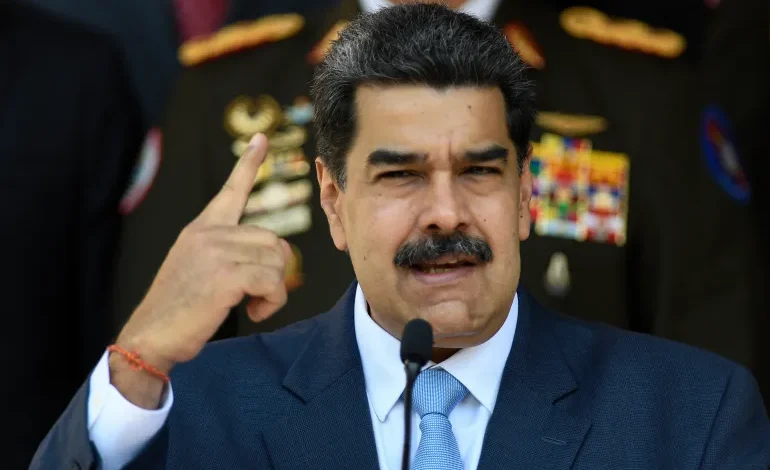
In a court filing, the US Department of Justice agreed to modify sanctions so that the Venezuelan government can pay legal fees for former president Nicolas Maduro, who is currently on trial in Manhattan on drug trafficking charges. The move follows a challenge from Maduro’s defence team, which argued that the restrictions violated his right to choose legal counsel.
By allowing those payments, prosecutors effectively removed one of the defence’s key arguments for dismissing the case. They said the adjustment renders the motion to throw it out “moot”.
The decision reflects a practical recalibration rather than a broader policy shift. The case itself has drawn sustained attention not only because of the charges, but because of the circumstances under which Maduro was brought to the United States — an operation critics describe as a breach of international law.
Washington, however, has maintained that the operation was a law enforcement effort supported by the military, and has continued to argue that it does not recognise Maduro as Venezuela’s legitimate leader.
That legal and political ambiguity sits at the centre of the trial. Under international law, sitting heads of state are generally protected from prosecution in foreign courts. But Maduro’s status is contested, and US authorities have treated him as subject to domestic criminal law.
After being taken into custody in January along with his wife, Cilia Flores, Maduro pleaded not guilty and is being held in Brooklyn. He has dismissed the charges as politically motivated, framing them as a pretext tied to broader US interests in Venezuela, including its oil reserves.
The sanctions issue brought those tensions into sharper focus in March, when US District Judge Alvin Hellerstein questioned whether restricting access to funds for legal defence was compatible with constitutional protections.
“The defendant is here, Flores is here. They present no further national security threat,” Hellerstein said at the time.
“The right that’s implicated, paramount over other rights, is the right to constitutional counsel.”
Prosecutors had previously defended the restrictions as a matter of national security and executive authority over foreign policy, arguing that Maduro could rely on personal funds if needed. But the court’s concerns appear to have prompted a shift in approach.
The result is a narrower, targeted adjustment designed to remove a legal vulnerability without altering the broader sanctions regime.
More broadly, the case continues to test the boundaries between domestic law, foreign policy and international norms. Questions around immunity, jurisdiction and the use of force in cross-border arrests remain unresolved — and are likely to shape how similar cases are handled in the future.

The latest news in your social feeds
Subscribe to our social media platforms to stay tuned