


US targets Chinese refinery as Iran oil crackdown widens

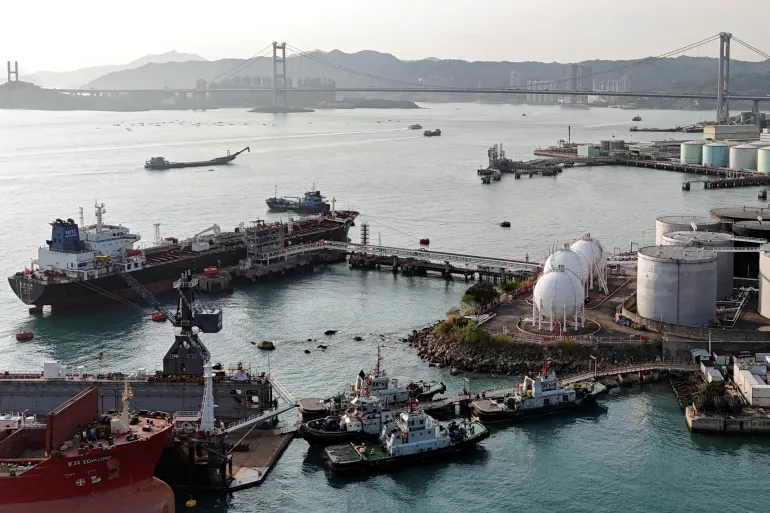
The United States is tightening pressure on Iran’s oil revenues by going after one of its most important buyers — a move that also deepens friction with China.
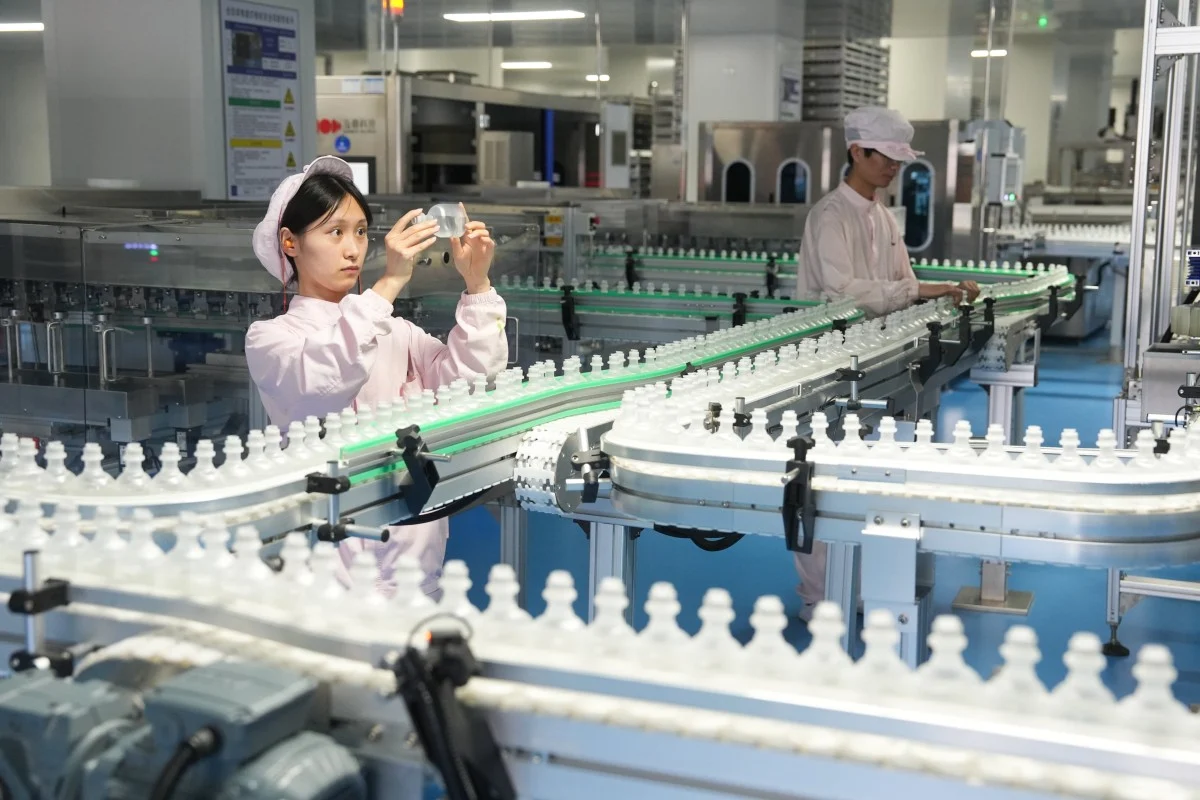
On Friday, the US Treasury sanctioned Hengli Petrochemical’s refinery in Dalian, a major independent processor and one of the largest so-called “teapot” refineries in China. The designation comes as Washington continues efforts to restrict Tehran’s income from energy exports, even as the door remains open to potential new talks over ending the US-Israeli war on Iran.
Treasury officials framed the refinery as a key node in Iran’s export chain.
Hengli is “one of Tehran’s most valued customers” and has generated hundreds of millions of dollars in revenue for the Iranian military through crude oil purchases.
The move did not stop at a single refinery. The US also sanctioned roughly 40 shipping firms and vessels linked to what it describes as Iran’s “shadow fleet” — the network used to move oil outside formal channels and evade restrictions.
This is consistent with a broader strategy that focuses less on producers and more on the infrastructure that keeps oil flowing: buyers, intermediaries and transport.
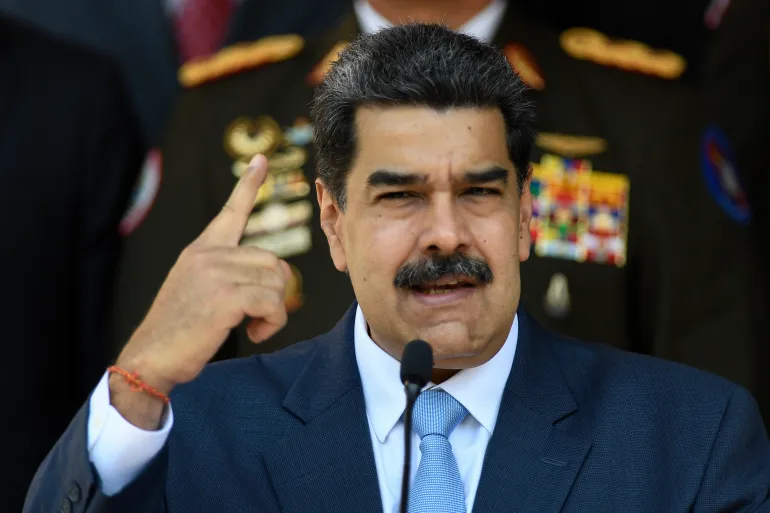
“Any person or vessel facilitating these flows – through covert trade and finance – risks exposure to US sanctions,” Treasury Secretary Scott Bessent said.
The timing is notable. The sanctions come ahead of possible renewed diplomacy, suggesting that Washington is trying to maintain leverage by tightening economic constraints while leaving negotiations technically on the table.
At the same time, the move underscores how central China has become to Iran’s oil trade. According to Kpler, China purchased more than 80 percent of Iran’s shipped oil last year, making it effectively the backbone of Tehran’s export market. More than half of China’s own oil imports come from the Middle East, reinforcing the interdependence.
That reality complicates enforcement. Much of the trade runs through China’s independent “teapot” refineries — smaller, privately owned operations concentrated in Shandong province. These refineries play a specific role in the global oil system: they absorb discounted, politically sensitive crude, allowing larger state-owned companies to avoid direct exposure.
In practice, that makes them both useful and vulnerable. Useful to China’s supply strategy, and vulnerable to sanctions precisely because they sit outside the core state system.
The Chinese embassy in Washington rejected the US move outright.
“We call on the US to stop politicising trade and sci-tech issues and using them as a weapon and a tool and stop abusing various kinds of sanction to hit Chinese companies,” a spokesperson said.
Beyond the diplomatic pushback, there is also an economic dimension. The war involving Iran has already tightened global energy markets, pushing up replacement costs for refiners that rely on discounted supply. For “teapots”, that pressure is particularly acute, as their business model depends on price differentials.
Even before the current escalation, Washington had been steadily expanding its focus on this segment of the Chinese refining industry. Several independent refiners were sanctioned last year, signalling a longer-term effort to disrupt the demand side of Iran’s oil trade.


The latest news in your social feeds
Subscribe to our social media platforms to stay tuned