



With input from Fortune, AP, the New York Times, Reuters, and Axios.
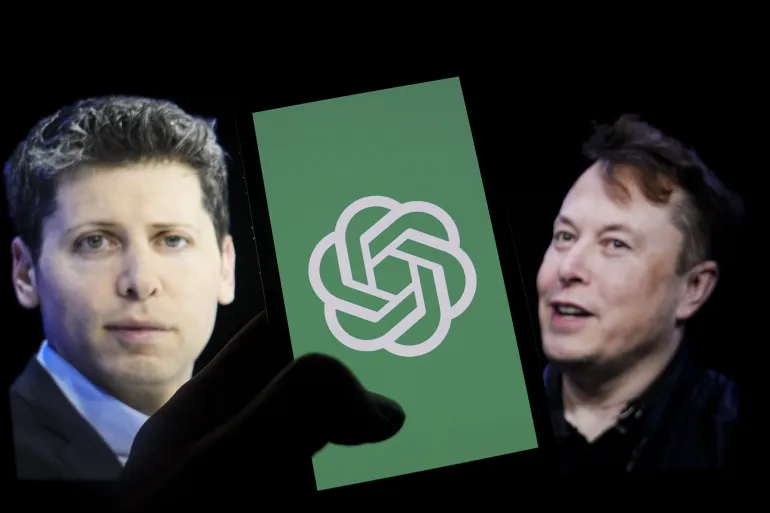
Things are getting tense – and public – in the courtroom showdown between Elon Musk and Sam Altman. So tense, in fact, that the judge has stepped in with a simple message: keep the noise down.
At the center of the fight is OpenAI and its shift from a nonprofit mission to a profit-driven powerhouse. On paper, that’s what Musk’s lawsuit is about. In reality, the stakes run deeper. This trial isn’t just about structure or governance – it’s about reputations, influence, and who controls the narrative around the future of AI.
A nine-person jury is now in place in Oakland, and the trial is expected to stretch over several weeks. First comes the liability phase, where jurors weigh whether Altman and his team crossed a line. After that, the judge alone will decide what happens next, if anything needs fixing.
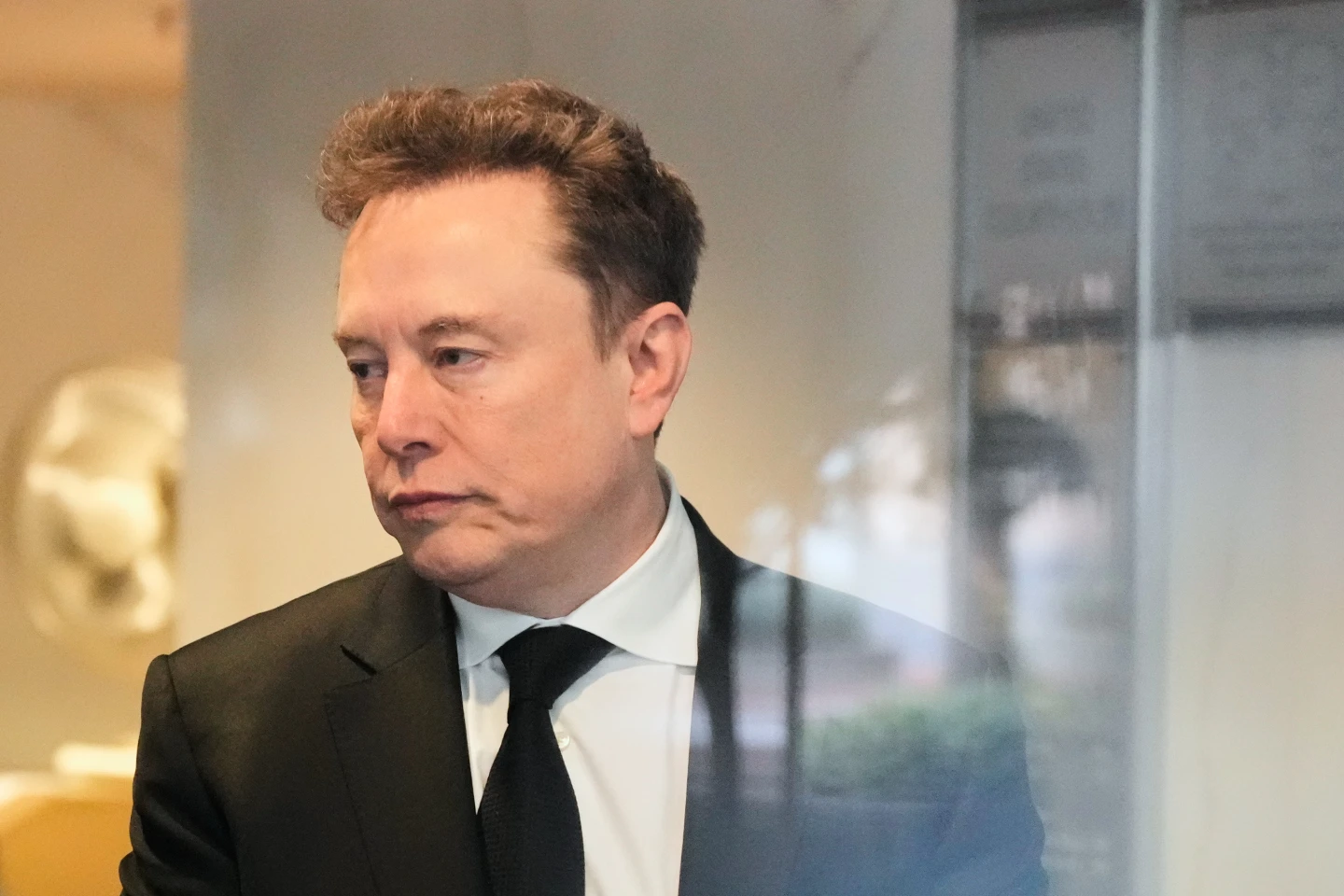
Musk wasted no time setting the tone. Taking the stand, he framed the dispute in blunt terms: “it’s not OK to steal a charity.” His argument hinges on the idea that OpenAI abandoned its founding purpose – building AI for the public good – and turned into a profit engine benefiting insiders and partners like Microsoft.
Altman’s camp sees it differently. Their lawyers say this is less about principle and more about control – that Musk didn’t get his way early on and has been pushing back ever since. According to their version, Musk himself supported a for-profit structure at one point, even floated ideas of taking majority ownership.
The backstory reads like a Silicon Valley origin myth gone sour. Musk and Altman once worked side by side, worried about AI dominance by Google and others. They wanted a counterweight. Fast forward a decade, and they’re facing off in court, each accusing the other of losing sight of the original mission.
For all the legal arguments, the real drama may come from what’s revealed along the way. Discovery has already surfaced bits of behind-the-scenes friction, but nothing explosive – yet. The expectation is that testimony, especially from insiders who’ve worked closely with both men, could bring sharper details into the open.
And that’s where things get risky. Investors aren’t just betting on companies like OpenAI or SpaceX. They’re betting on the people running them. If damaging information surfaces – about leadership decisions, internal culture, or financial pressure – it could ripple far beyond the courtroom.
Altman arguably has more on the line. OpenAI is navigating a tricky moment, with reports suggesting it has missed internal targets for revenue and user growth. There’s also quiet chatter among investors about whether he’s the right person to steer the company toward a public listing.
Musk, meanwhile, is no stranger to controversy. Markets have seen his ups and downs before and largely priced them in. Even as he prepares for a massive IPO tied to SpaceX and his AI venture xAI, investors appear more focused on execution than personality.
The courtroom itself is expected to deliver plenty of theater. Musk has already offered glimpses into his worldview – long hours, no vacations, and a belief that AI could surpass human intelligence within a year. He compared it to raising a hyper-intelligent child: you can guide it early, but control fades over time.
Altman hasn’t taken the stand yet, but his testimony is coming. So is that of Microsoft CEO Satya Nadella, whose company’s deep ties to OpenAI sit at the heart of Musk’s complaints.
For now, the judge is trying to keep things contained. Public sparring, leaks, and off-the-cuff remarks could complicate an already messy case. But with two of tech’s most outspoken figures involved, staying quiet might be easier said than done.
The next few weeks could shape more than just a legal outcome. They could influence how investors view the people leading the AI race – and how much trust they’re willing to place in them.


The latest news in your social feeds
Subscribe to our social media platforms to stay tuned