



What began as a shared project to shape the future of artificial intelligence is now heading to court as a dispute over control, direction and intent.
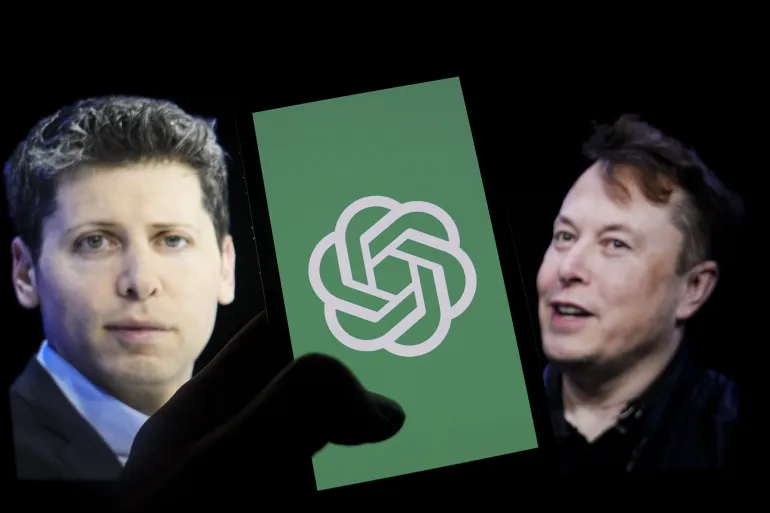
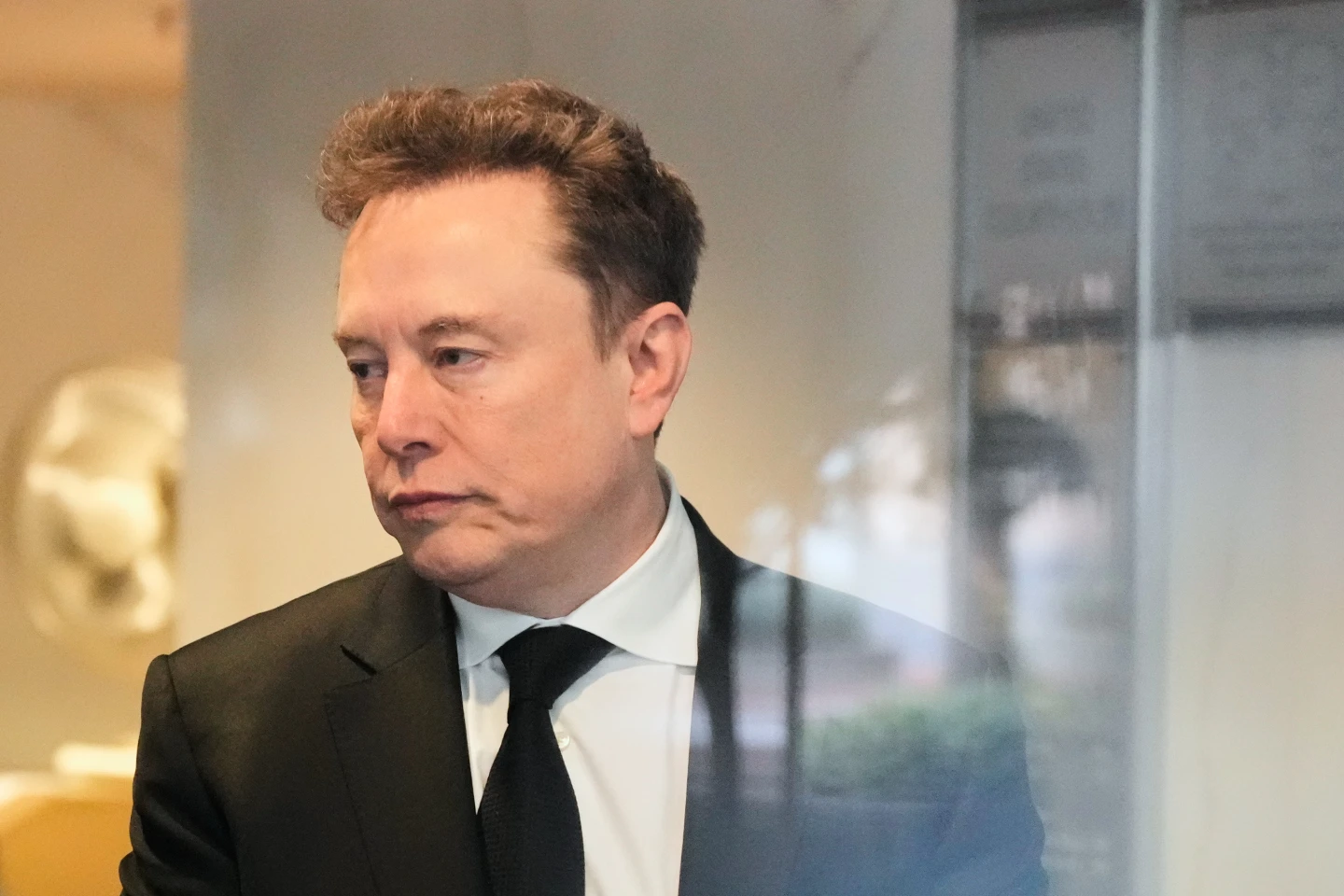
Elon Musk and Sam Altman are set to face off in a US courtroom in a case that cuts back to the origins of OpenAI and how it evolved from a nonprofit experiment into one of the most valuable companies in the world. Jury selection is scheduled to begin Monday in Oakland, California.
At the centre of the dispute is a question that goes beyond personalities: whether OpenAI’s transformation reflects a natural evolution or a deviation from its founding purpose.
OpenAI was launched in 2015 as a nonprofit initiative, with Musk among its early backers. Since then, it has shifted into a hybrid structure with commercial ambitions, now valued at $852bn. That transition is precisely what Musk is challenging.
His lawsuit, filed in August 2024, accuses Altman and cofounder Greg Brockman of abandoning the company’s original mission — to act as an altruistic steward of powerful AI — and instead turning it into a profit-driven enterprise without his knowledge.
The argument rests not only on broad strategic decisions but also on internal communications that prosecutors say show early tensions. Among the documents cited is a personal note from Brockman that captures the strain inside the organisation at the time.
“This is the only chance we have to get out from Elon,” wrote Brockman in the autumn of 2017. “Is he the ‘glorious leader’ that I would pick?”
Musk’s position is that he was sidelined as the company shifted direction, while his early involvement and financial backing helped create what he now describes as a “wealth machine” for others. He is seeking damages and structural changes, including reverting OpenAI to a nonprofit model and removing Altman and Brockman from leadership roles.
OpenAI, for its part, has framed the case differently — as an attempt by Musk to slow a competitor while advancing his own AI venture, xAI, launched in 2023. The company has dismissed the claims as unfounded and tied to personal and competitive motivations rather than governance failures.
The stakes extend well beyond the individuals involved. As artificial intelligence becomes more central to the economy and public life, control over its development is increasingly seen as a source of both commercial power and broader influence. That context is part of what gives the case its weight.
At the same time, the trial unfolds at a sensitive moment for Musk personally. A recent jury ruling found him liable for defrauding investors in his 2022 acquisition of Twitter, and his aerospace company SpaceX is preparing for a potential public offering that could significantly reshape his financial position.



The latest news in your social feeds
Subscribe to our social media platforms to stay tuned