

Why the UAE Walked Away From OPEC

Fortune, the New York Times, CNN, the Washington Post, the Financial Times contributed to this report.
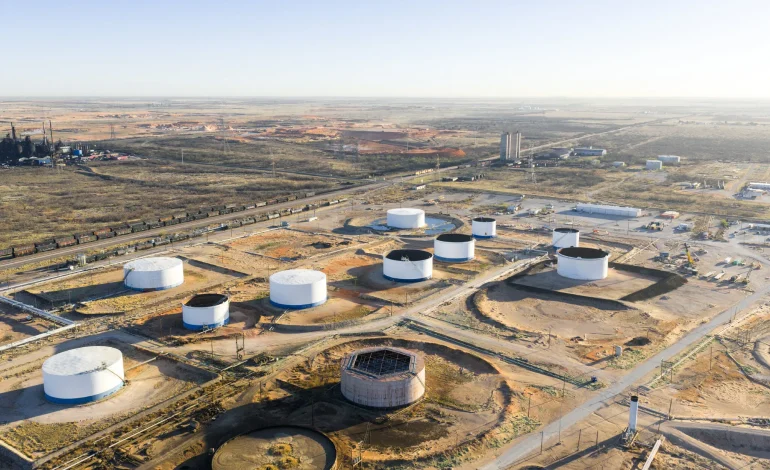
The United Arab Emirates didn’t just quietly slip out of OPEC – it made a calculated exit at a moment when the global oil market is anything but calm. And according to economist Steve Hanke, the logic is simple: if the system isn’t working for you anymore, take your gains and move on.
That’s essentially what Abu Dhabi just did.
The UAE confirmed it will leave Organization of the Petroleum Exporting Countries and the broader OPEC+ alliance starting May 1. It’s a decision that chips away at a group long steered – formally or not – by Saudi Arabia. And it lands at a time when oil markets are already rattled by war, supply shocks, and political tension.
Officials in the UAE kept the tone diplomatic. Energy Minister Suhail Al Mazrouei thanked OPEC for decades of cooperation and framed the move as part of a “long-term strategic and economic vision.” Behind the polished language, though, the shift has been years in the making.
Disagreements over production quotas have simmered for a while. The UAE has invested heavily in boosting its output capacity, only to be held back by OPEC limits designed to manage global supply and keep prices stable. That kind of constraint makes less sense when you’re trying to grow.
Hanke’s take cuts through the noise. In his view, the UAE is reading the moment – and cashing out. Oil prices have been volatile, geopolitical risks are piling up, and the cohesion inside OPEC has been fraying. Staying tied to a cartel with internal tensions and limited flexibility doesn’t look as attractive as it once did.
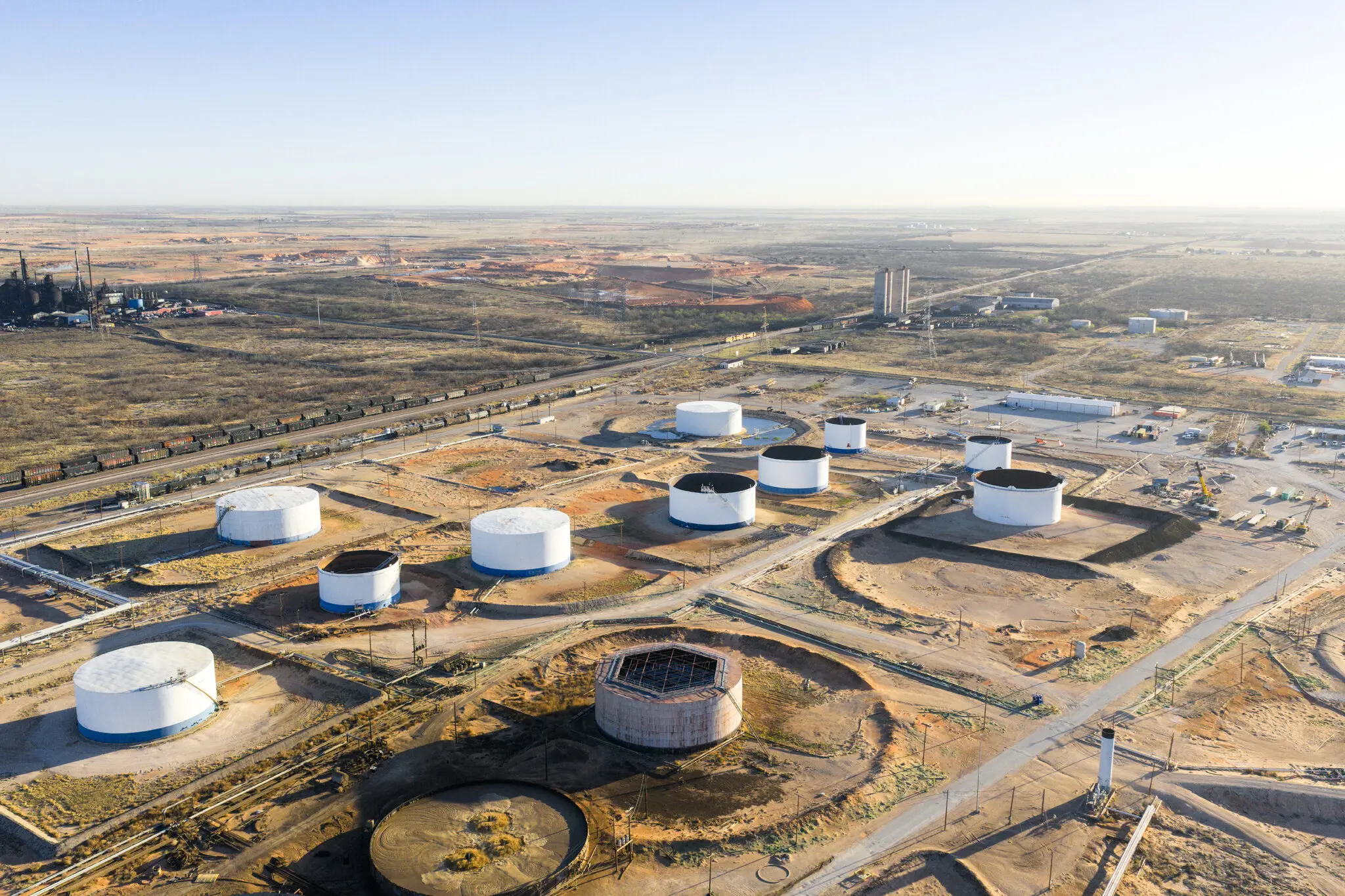
Timing matters here. The exit comes as the fallout from the Iran war continues to shake global energy markets. The Strait of Hormuz – a chokepoint for roughly a fifth of the world’s oil – has been repeatedly disrupted, with near-closures and military posturing sending prices swinging.
That chaos cuts both ways. On one hand, it props up prices. On the other, it exposes how fragile the system is. For a country like the UAE, which has spent years diversifying beyond oil, the appeal of going it alone grows stronger in that kind of environment.
There’s also a political layer. Donald Trump has spent years criticizing OPEC, calling it a monopoly and pushing for lower oil prices. While Washington doesn’t directly control OPEC decisions, the broader pressure on the group has added to the sense that its grip on the market isn’t what it used to be.
Inside the Gulf, the move lands awkwardly. Relations between the UAE and Saudi Arabia have cooled, especially after clashes over regional influence, including in Yemen. What used to be a tight partnership now looks more transactional – and occasionally strained.
As Gulf expert Toby Matthiesen put it, OPEC members have never exactly been best friends, but they managed to make it work. This exit suggests that balance is breaking down. It’s not just a policy disagreement; it’s a signal that the old alignment isn’t holding.
The UAE isn’t the first to walk. Qatar left OPEC back in 2019. Still, this one hits differently. The UAE is a much bigger oil producer – third-largest in the group – and a key player in OPEC’s output strategy.
That matters for the cartel’s credibility. OPEC has long relied on coordinated production cuts or increases to steer prices. Lose members, especially major ones, and that coordination becomes harder to maintain.
At the same time, the immediate market impact may be muted. With Hormuz disruptions still limiting exports, even countries that can pump more oil can’t necessarily ship it. As Matthiesen noted, production capacity doesn’t mean much if the barrels can’t leave the region.
So in the short term, prices may not swing dramatically because of the UAE’s exit alone. The bigger story is what it says about the future.
Analysts like Bachar El-Halabi point out that the UAE simply isn’t as dependent on high oil prices as some of its neighbors. Its economy has broadened – trade, tourism, logistics, and increasingly technology all play a role. That gives it breathing room.
Oil still matters, no question. But the country doesn’t need sky-high prices to balance its books. That changes the calculus. It can afford to prioritize flexibility over collective discipline.
And flexibility is the key word here. Outside OPEC, the UAE can decide how much to produce and when. No quotas. No negotiations. Just national strategy.
That opens the door to ramping up output when it sees fit, investing more aggressively in energy infrastructure, and positioning itself for future demand – whether that’s crude, natural gas, or petrochemicals.
There’s also a longer-term pivot underway. The UAE has been pouring money into sectors like artificial intelligence and advanced technology, trying to reduce its reliance on hydrocarbons. Stepping away from OPEC fits that broader shift.
Still, the move isn’t without risk. OPEC’s collective power has historically helped stabilize markets, even if imperfectly. Acting alone means facing more volatility – and fewer allies when things get rough.
For now, though, the UAE seems comfortable with that trade-off.
Hanke’s blunt framing – “take the money and run” – captures the mood. The UAE has benefited from decades inside OPEC. It’s built capacity, diversified its economy, and strengthened its global position. Now it’s choosing independence over coordination.
What comes next depends on how others respond. If more countries start questioning the value of sticking with OPEC, the group’s influence could erode faster than expected. If not, this may remain a one-off move by a country with unique advantages.
Either way, the signal is clear. The old oil order is under pressure – from war, from politics, and from the shifting priorities of the countries that once held it together.


The latest news in your social feeds
Subscribe to our social media platforms to stay tuned