




Axios, the Hill, the Daily Beast, and Reuters contributed to this report.
After weeks of shrugging it off, Donald Trump is finally zeroing in on gas prices — and not a moment too soon.
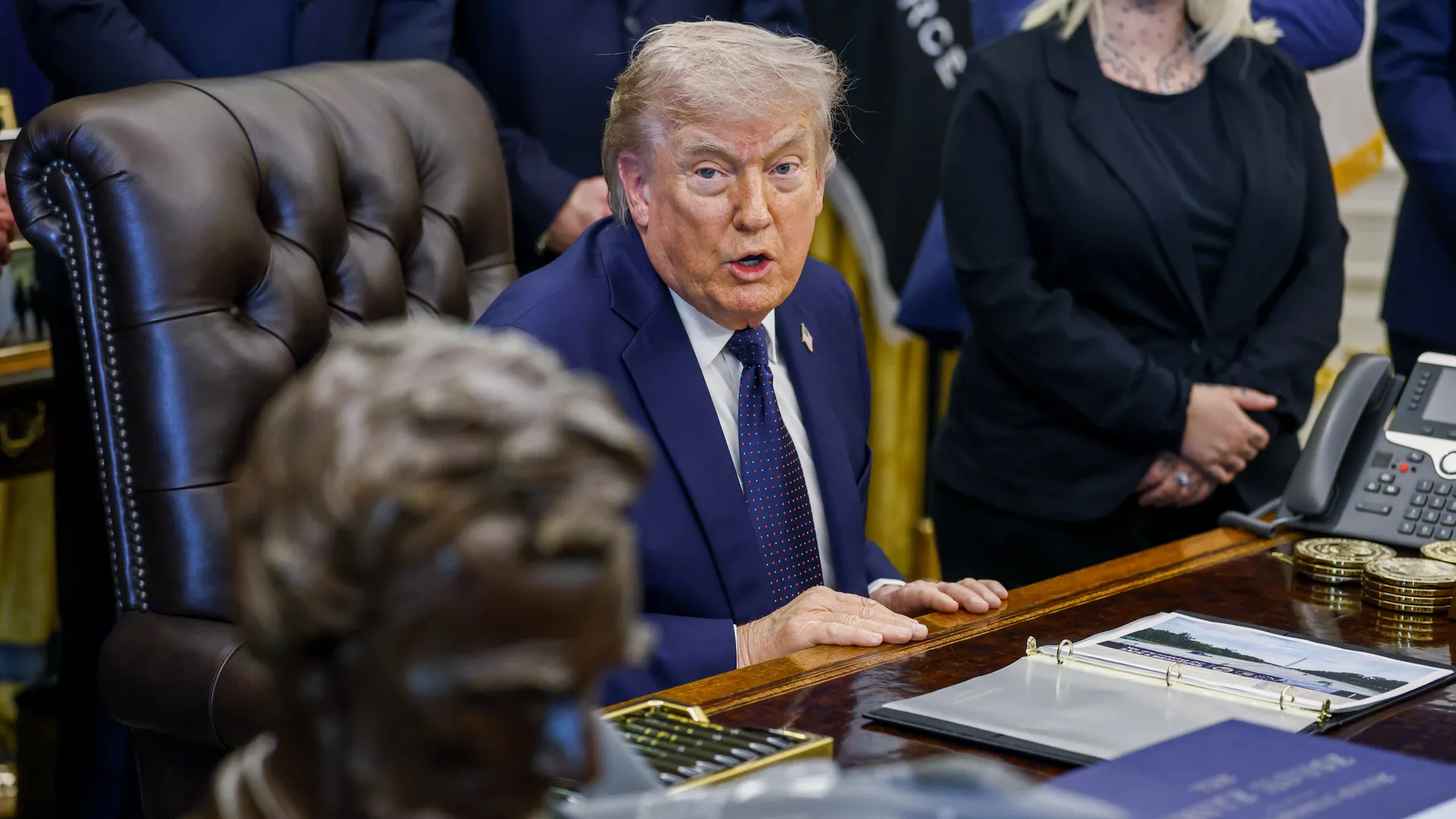
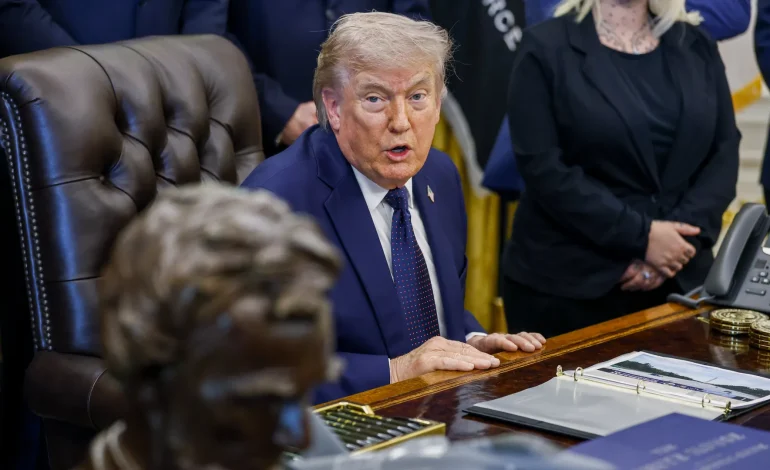
Behind closed doors at the White House, the president gathered top officials and oil executives for a quiet strategy session as the energy fallout from the Iran war keeps getting worse. In the room: heavy hitters like Scott Bessent, Susie Wiles, Steve Witkoff, Jared Kushner, and Mike Wirth from Chevron.
The timing isn’t subtle. Gas prices just hit $4.23 a gallon nationwide, according to AAA — the highest level since the conflict began. For many Americans, that’s where the pain really shows up.
At the center of it all is the Strait of Hormuz, a narrow waterway that normally carries a massive chunk of the world’s oil. It’s effectively shut down, caught in the crossfire of the war, and markets are reacting fast. Crude prices are climbing, and everything tied to them is following.
Inside the meeting, the conversation reportedly jumped across everything from domestic drilling to global supply routes — even how long the US could sustain its blockade of Iranian exports without blowing back on consumers. There’s not a lot of easy levers to pull here.
Trump has brushed off the surge before, arguing prices could be worse and insisting they’ll drop once the conflict winds down. But the tone has shifted. He’s now warning aides to prepare for a longer standoff with Iran — the kind that keeps energy markets on edge for months, not weeks.
That’s a political problem. His approval rating is sliding, and high fuel costs are feeding directly into broader cost-of-living frustration.
Globally, the alarm bells are louder. Fatih Birol of the International Energy Agency has called the disruption one of the biggest energy shocks ever, with ripple effects stretching far beyond the US Europe, for example, is already staring at potential fuel shortages if the situation drags on.
The White House is still projecting confidence. Officials say the spikes are temporary and point to steps already taken — like easing shipping restrictions — to soften the blow. The bet is that once traffic through Hormuz stabilizes, prices will cool off.
That’s a big “if.”
For now, the math is simple: less supply, higher prices. And until something changes in the Middle East, drivers are the ones footing the bill.


The latest news in your social feeds
Subscribe to our social media platforms to stay tuned