
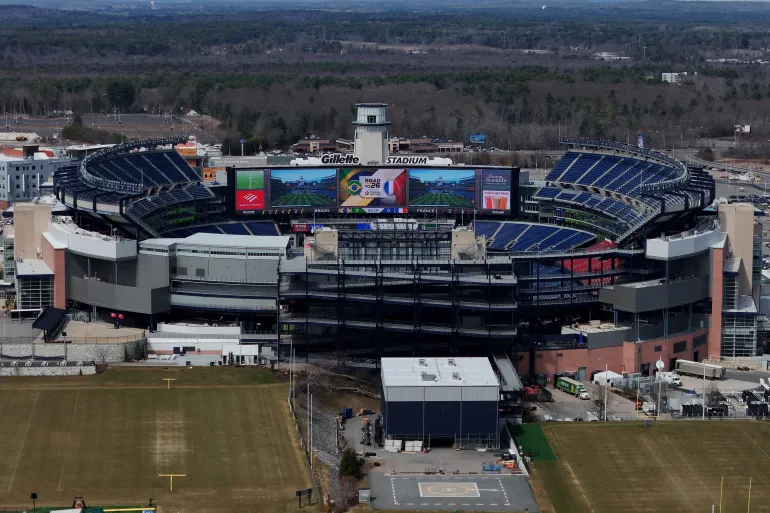




Two Republican lawmakers are urging the Trump administration to bring the National Guard into World Cup security planning, warning that fragmented oversight and emerging drone threats could expose gaps across host cities.
In a letter sent Friday to Homeland Security Secretary Markwayne Mullin, Acting Attorney General Todd Blanche and Defense Secretary Pete Hegseth, Representatives Michael McCaul and Elijah Crane called for a coordinated federal response to protect airspace over the 11 US cities hosting matches.
Their concern is less about a single vulnerability than about structure. With multiple agencies, local authorities and event organisers sharing responsibility, they argue the current setup risks becoming disjointed at scale — particularly when it comes to countering unmanned aerial systems.
“With its rapid deployability, nationwide scalability, and extensive experience responding to domestic emergencies, the National Guard is uniquely positioned to assist federal and state authorities with C-UAS mitigation and unified coordination for World Cup security,” they wrote.
The request comes at a moment when security concerns are already heightened. Just a day after the letter was sent, a gunman opened fire near the White House Correspondents’ Dinner in Washington, an incident that has sharpened focus on the broader security environment ahead of the tournament.
Against that backdrop, the lawmakers are pressing for what they describe as a “unified federal security posture” — a shift toward more centralised coordination that could reduce jurisdictional friction and improve response times.
So far, the agencies involved have not publicly responded to the proposal. But the White House has sought to reassure the public that preparations remain on track.
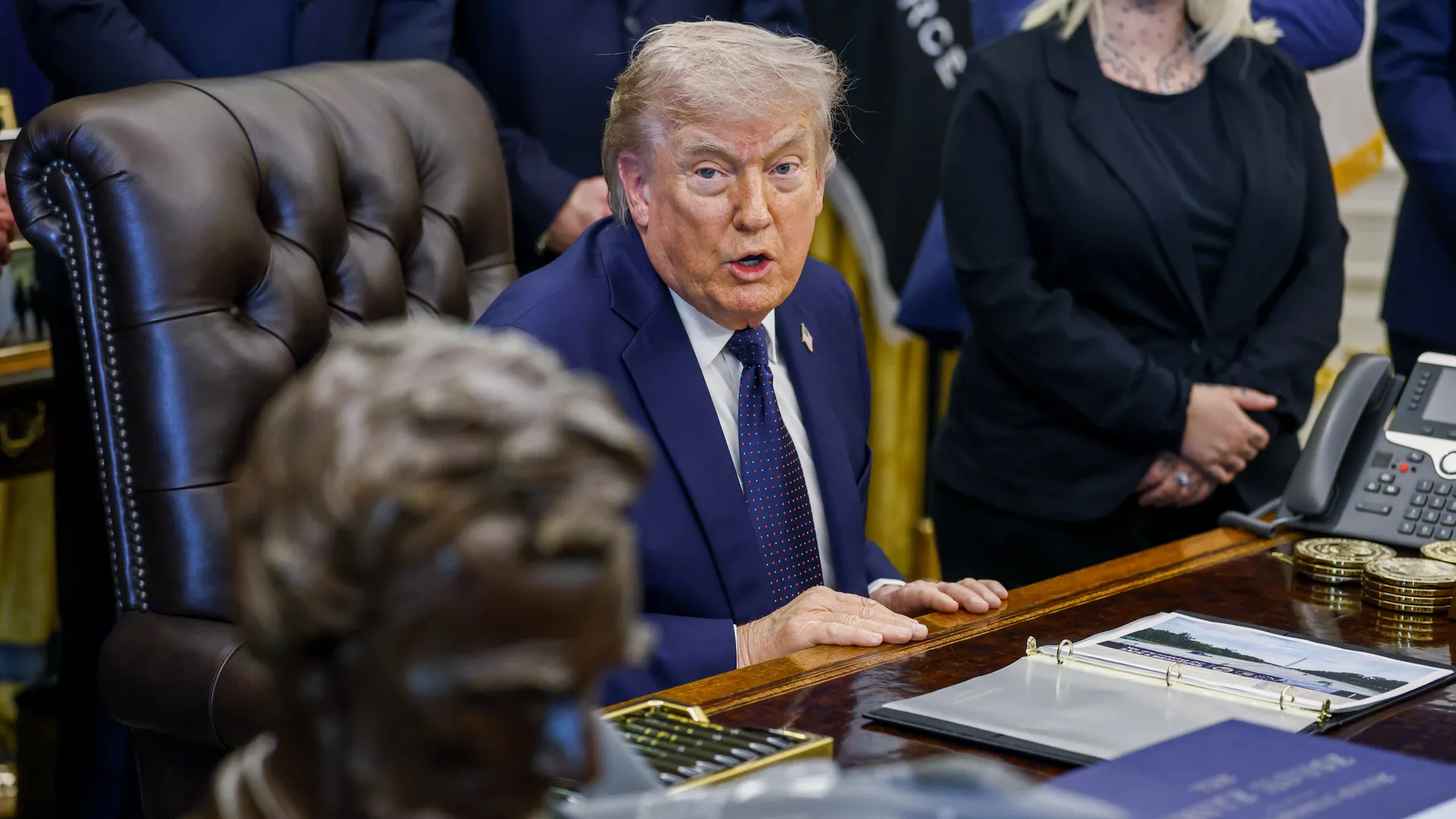
“President Trump is focused on ensuring that this is not only an incredible experience for all fans and visitors, but also the safest and most secure in history,” spokesman Davis Ingle said.
The debate reflects a familiar tension in large-scale event planning in the US: balancing local control with federal oversight, particularly when new types of threats — like drones — do not fit neatly into existing frameworks.



The latest news in your social feeds
Subscribe to our social media platforms to stay tuned