

Trump weighs Iran proposal as Hormuz crisis complicates diplomacy
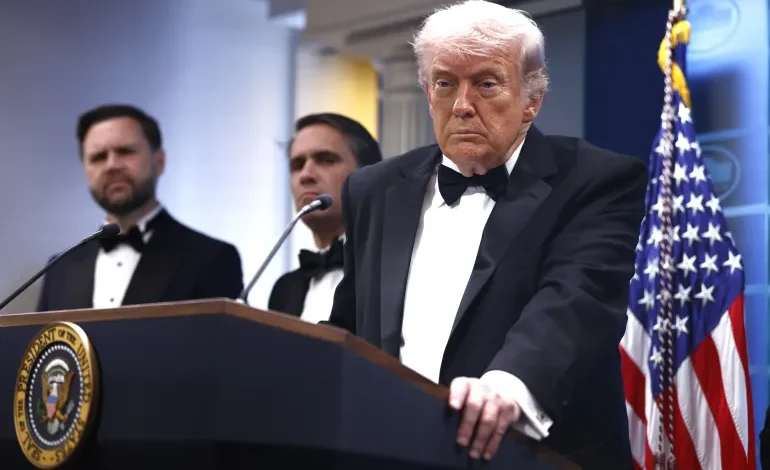

The Trump administration is reviewing a proposal from Iran that attempts to sequence diplomacy around the ongoing war, but early signals suggest Washington sees the terms as misaligned with its priorities.
At the centre of the proposal is a phased approach: halt the joint US-Israeli war effort, reopen the Strait of Hormuz and postpone negotiations over Iran’s nuclear programme until after the conflict ends. For Tehran, that sequencing reflects a clear demand — de-escalation first, strategic concessions later.
For Washington, it appears to do the opposite.
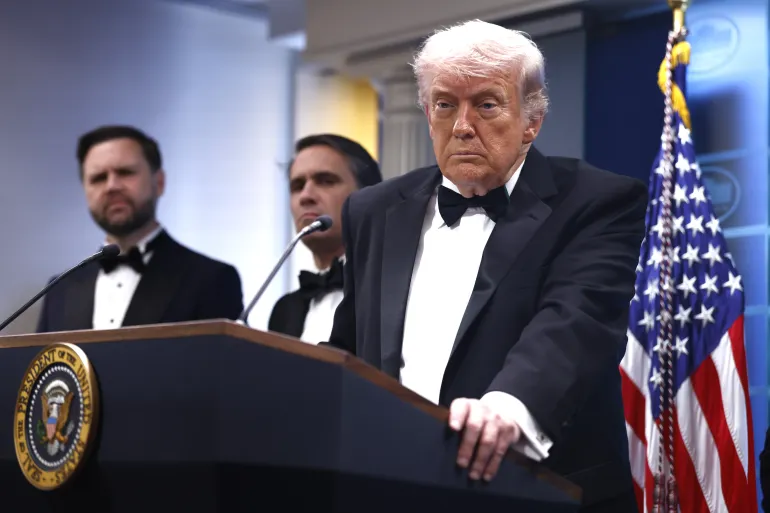
The White House confirmed that President Donald Trump met with his national security team on Monday to discuss the offer. But according to US media reports, the sticking point is straightforward: the nuclear issue is not something Trump is willing to defer.
Reuters, citing an official briefed on the meeting, reported that Trump wants the nuclear question addressed upfront. CNN, referencing sources familiar with the discussions, said he is unlikely to accept a framework that lifts pressure on Iran — particularly the blockade of its ports — without first resolving concerns about its nuclear programme.
That tension goes to the core of the current standoff. The United States sees sanctions and maritime restrictions as leverage. Iran sees them as preconditions that must be removed before any serious talks can begin.
The proposal lands at a moment when the fragile ceasefire agreed on April 8 is already under strain. The truce, brokered by Pakistan after more than a month of fighting triggered by US and Israeli strikes, has been tested by disputes over access to the Strait of Hormuz and continued US restrictions on Iranian ports.
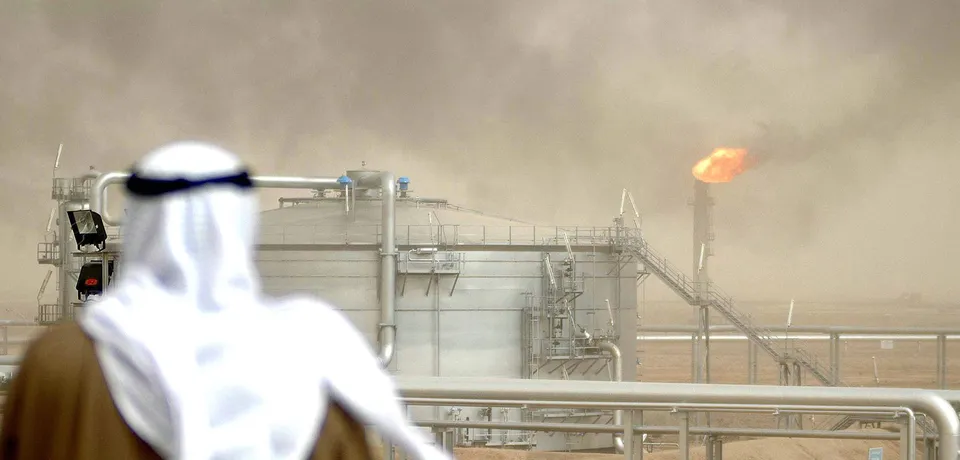
The Strait itself has become more than a bargaining chip. It is now a pressure point with global consequences.
Dozens of countries have called for the “urgent and unimpeded reopening” of the waterway, which carries roughly a fifth of the world’s oil and gas. At the United Nations, Secretary-General Antonio Guterres warned that continued disruption could cascade into a global food emergency, as shipping bottlenecks ripple through supply chains.
Diplomatically, Iran is signalling that it is not closing the door.
Foreign Minister Abbas Araghchi, after meetings in Pakistan, Oman and Russia, framed Tehran’s position as open but conditional. Writing on X after meeting Russian President Vladimir Putin, he pointed to the “depth and strength” of strategic ties while welcoming support for diplomacy.
But openness does not equal convergence. Iran’s position still hinges on relief from pressure measures, while the United States appears unwilling to trade that leverage without early concessions on nuclear activity.
The result is a familiar deadlock, now layered onto an active conflict and a chokepoint in global energy flows.
At the UN Security Council, calls for de-escalation have so far led nowhere. A previous resolution urging the reopening of the strait was blocked by China and Russia, with Moscow placing responsibility on the initial US-Israeli strikes.
That leaves the current proposal in a narrow space: diplomatically alive, but strategically constrained.


The latest news in your social feeds
Subscribe to our social media platforms to stay tuned