

Human Rights Watch is calling on FIFA to press the US government to pause immigration enforcement around the 2026 World Cup, warning that current policies risk undermining the tournament’s accessibility and safety.
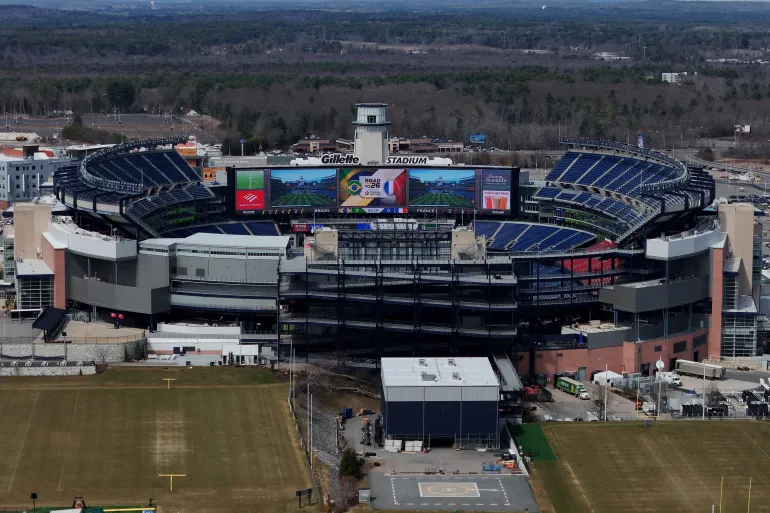
In a new report, the organisation urged football’s governing body to push for what it describes as an “ICE Truce” — a public commitment from US authorities to refrain from immigration operations at stadiums and related venues during the competition. The expanded 48-team tournament will be co-hosted by the United States, Canada and Mexico from June 11 to July 19.
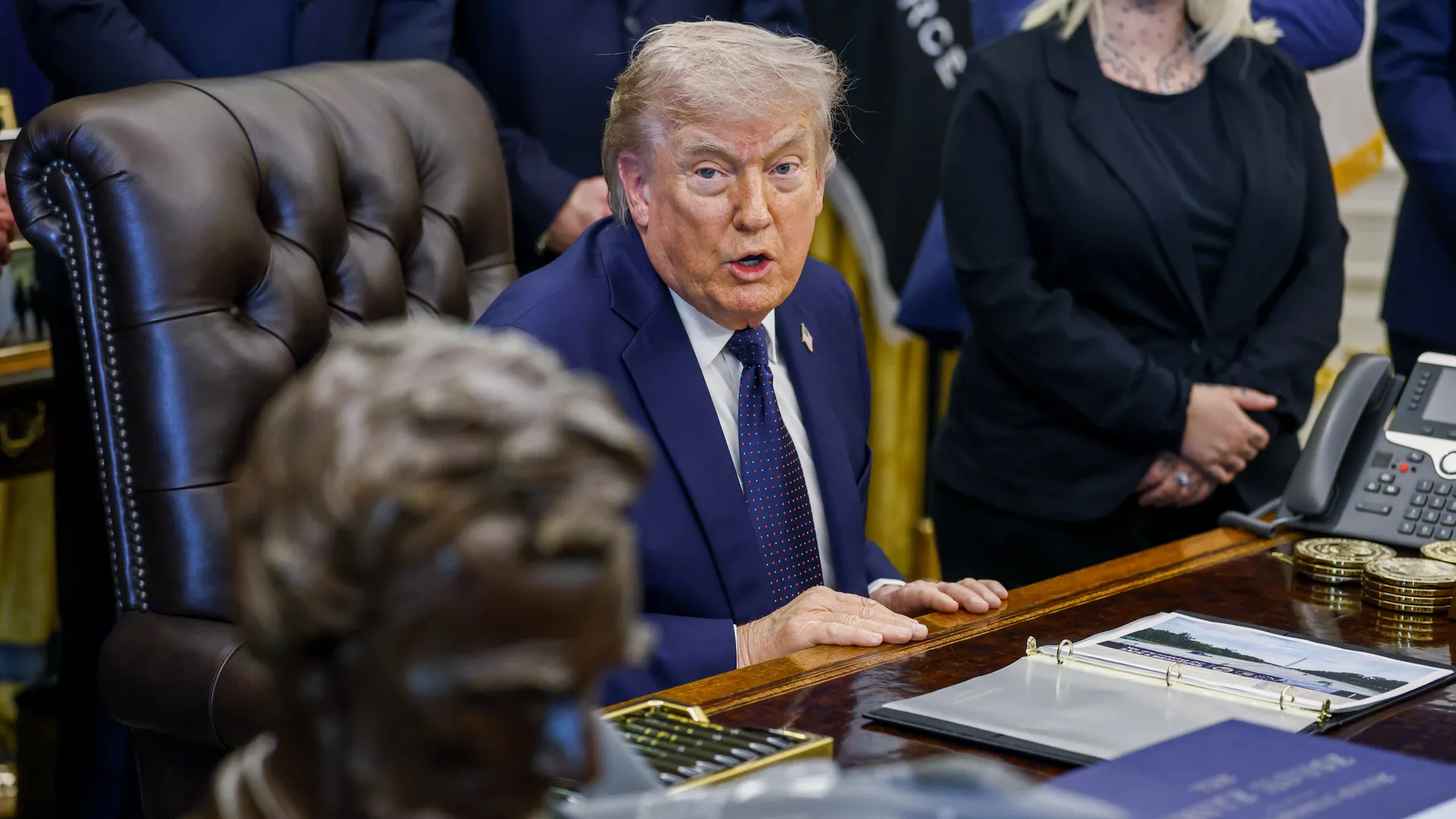
The proposal draws on the idea of the Olympic Truce, a historical concept aimed at ensuring safe passage for athletes and spectators. In this case, the concern is not armed conflict, but enforcement policy. Immigration and Customs Enforcement has been central to the Trump administration’s broader crackdown, which rights groups say has created a climate of fear for migrants and minority communities.
“FIFA needs to act urgently to address the risks of human rights abuses for athletes, fans, and workers,” HRW said. “One concrete thing it should do is work to persuade the Trump administration to establish an ‘ICE Truce’…
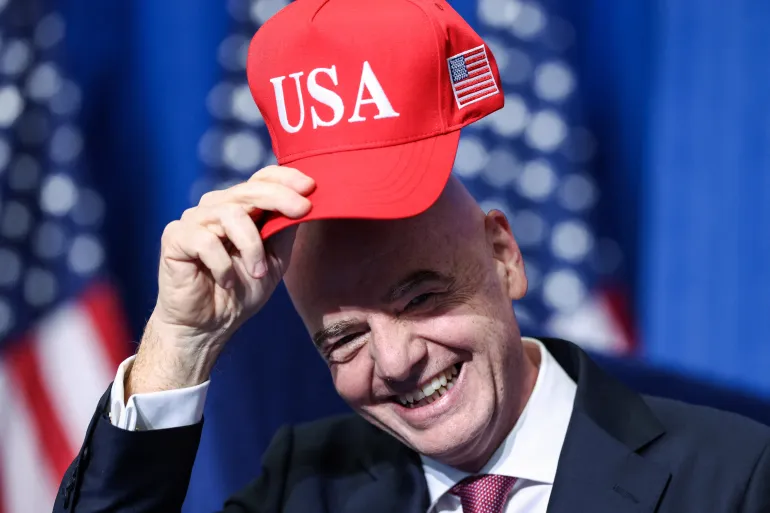
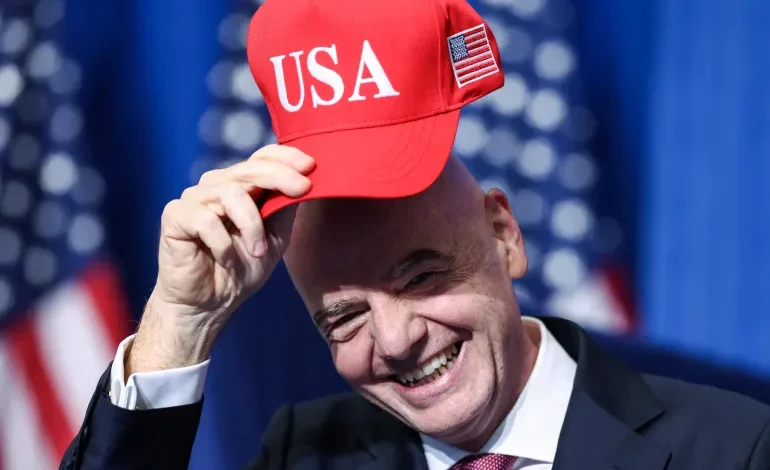
“Gianni Infantino (FIFA president) and his FIFA colleagues should use their leverage to demand that the Trump administration do what’s right for the games,” it added.
“Roll back discriminatory travel bans, refrain from abusive immigration enforcement operations in and around World Cup venues, protect children’s rights and commit to uphold freedom of assembly and speech.”
The appeal reflects a broader concern among advocacy groups that the tournament could be shaped as much by domestic policy as by sport. A recent travel advisory warned that visitors may face risks ranging from arbitrary detention to electronic device searches and racial profiling, particularly if they encounter immigration enforcement systems.
Amnesty International had already raised similar concerns in March, arguing that the event is drifting away from FIFA’s stated goal of hosting a “safe, free and inclusive” competition.
The White House has pushed back against those claims, framing the criticism as politically motivated and emphasising its security priorities.
“The FIFA 2026 World Cup will no doubt be one of the greatest and most spectacular events in the history of mankind, attracting millions of fans from around the world to 11 host cities across America,” spokesman Davis Ingle said.
“This will be a monumental event that requires close coordination between the Trump Administration, FIFA, and all of our great federal, state, and local partners.
“President Trump is focused on ensuring that this is not only an incredible experience for all fans and visitors, but also the safest and most secure in history – and no amount of ridiculous scare tactics driven by liberal activist groups and the left-wing media will change that.”
The Department of Homeland Security struck a similar tone, stressing that enforcement would remain within legal bounds.
“DHS (US Department of Homeland Security) will work with our local and federal partners to secure 2026 FIFA World Cup – in line with federal law and the US Constitution – as we do with every major sporting event, while showcasing American greatness to the entire world,” a spokesperson said.
“Our mission is simple: ensure every fan – Americans and visitors alike – has a safe and unforgettable experience.
“International visitors who legally come to the United States for the World Cup have nothing to worry about. What makes someone a target for immigration enforcement is whether or not they are illegally in the US – full stop. Speculation to the contrary is ill-informed.
“At the same time, foreign visitors MUST be proactive and should start working on their travel plans and documents well ahead of time to ensure a smooth travel experience.”
Beyond the immediate debate, the issue highlights a familiar tension in global sporting events: the gap between international expectations and domestic policy realities. FIFA, which positions itself as a neutral organiser, is now being asked to take a more active role in navigating that divide.
HRW said it has also sought clarity from FIFA on the governance of its inaugural peace prize, which was awarded to President Trump in December for efforts the organisation said promoted dialogue and de-escalation globally.


The latest news in your social feeds
Subscribe to our social media platforms to stay tuned