


Oil Surges Past Wartime Peak as Iran Standoff Drags On

The New York Times, the Financial Times, Reuters, and Bloomberg contributed to this report.
Oil just punched through another ceiling – and there’s no clear sign it’s done climbing.
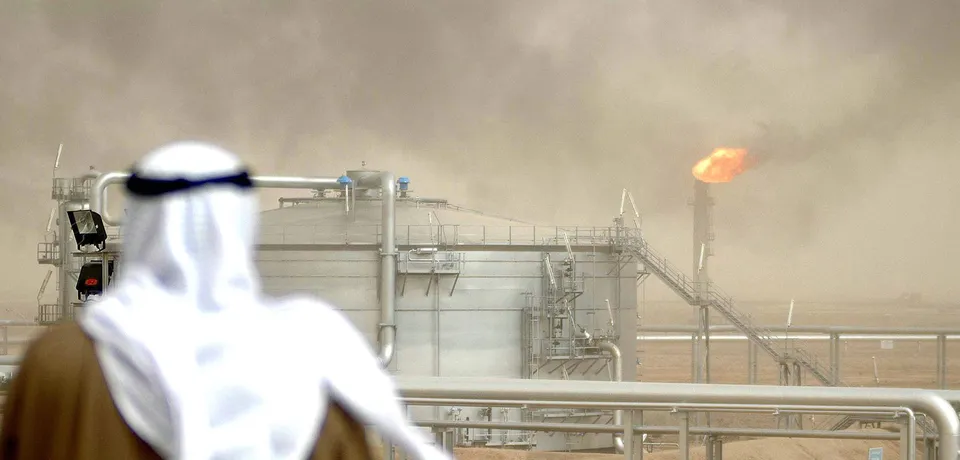
Brent crude has jumped to around $126 a barrel, its highest level since the Iran war began, as tensions refuse to cool and supply disruptions stretch on. Traders are bracing for worse after reports that Donald Trump is set to review new military options, a move that could keep the pressure on already strained energy markets.
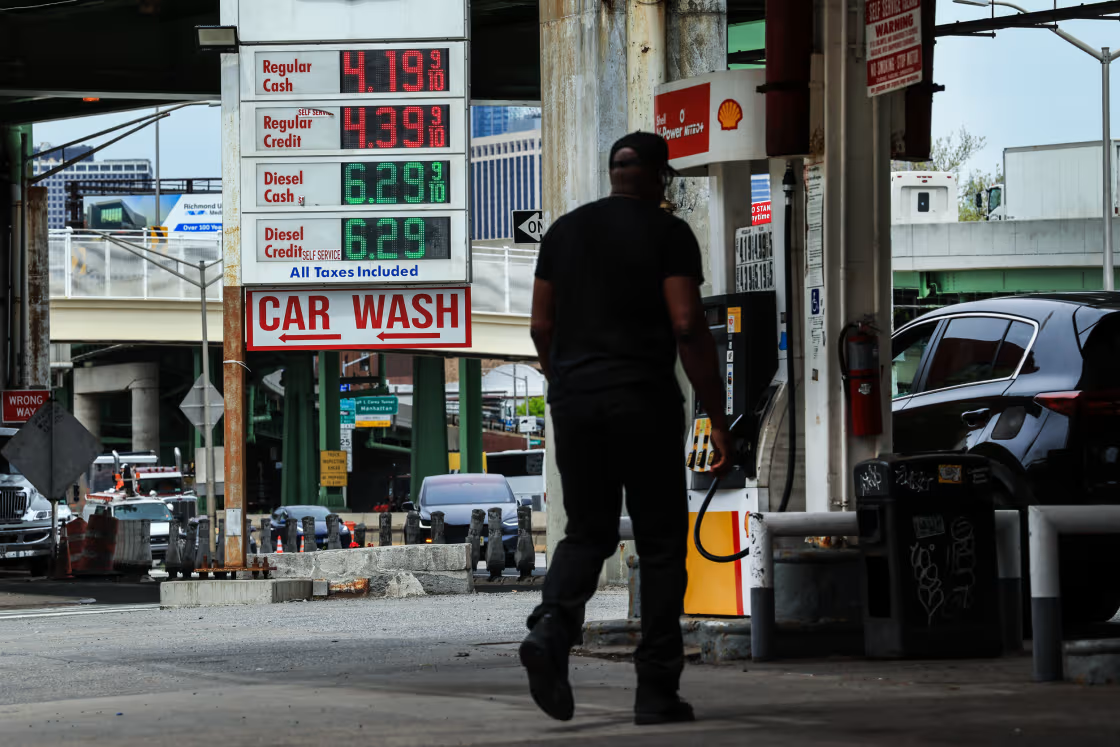
The situation is simple, and brutal: the longer oil flows stay choked off in the Middle East, the more likely those rising costs seep into everything else – transport, food, manufacturing – dragging inflation back into the spotlight and slowing economic growth.
Markets are already feeling it. Oil futures are climbing again, with US crude hovering above $109 a barrel early Thursday. That upward push comes as the naval blockade tied to the conflict continues to limit shipments through critical routes, tightening global supply.
And it’s not just energy traders paying attention. Central banks are watching closely too.
The Federal Reserve held interest rates steady this week, but cracks are showing internally. Officials are split on what comes next, especially as higher energy costs threaten to complicate any plans to ease borrowing. Jerome Powell, in what could be his final stretch leading the Fed, is leaving behind a divided board just as inflation risks creep back in.
Across the Atlantic, the European Central Bank and the Bank of England are expected to hold rates as well, choosing caution while they size up the economic fallout from the war.
Meanwhile, corporate America is sending mixed signals. Tech giants are posting strong earnings – companies like Amazon and Alphabet are racing ahead in AI – but that momentum risks getting overshadowed if energy costs keep climbing and start squeezing consumers and businesses alike.
Back in the oil market, the concern isn’t just today’s price spike. It’s what comes next. A prolonged standoff could lock in higher costs for months, even years, especially if infrastructure damage in the region takes time to repair or if shipping risks keep insurance premiums elevated.
That’s when things get messy. Expensive oil doesn’t stay contained – it spreads. And when it does, it has a habit of slowing everything down.



The latest news in your social feeds
Subscribe to our social media platforms to stay tuned