

Eli Lilly Smashes Forecasts again as Zepbound and Mounjaro Drive another Surge, Lifts Full-year Outlook

CNBC, Eli Lilly, Market Watch, Bloomberg, Reuters, and Investor’s Business Daily contributed to this report.
Eli Lilly came out swinging on Thursday, posting first-quarter results that comfortably beat Wall Street expectations, powered by relentless demand for its weight-loss and diabetes heavyweights, Zepbound and Mounjaro.
The momentum was strong enough for the company to raise its full-year outlook once again – adding $2 billion to expected sales – and bumping up its adjusted profit forecast at the same time. Management now sees 2026 revenue landing between $82 billion and $85 billion, up from a prior range of $80 billion to $83 billion. Earnings per share guidance also moved higher, now projected at $35.50 to $37, compared with the earlier $33.50 to $35.
On the quarter itself, Eli Lilly reported adjusted earnings of $8.55 per share on revenue of $19.80 billion, both well ahead of analyst estimates.
The real engine continues to be its GLP-1 portfolio.
Mounjaro posted a sharp 125% jump in worldwide sales to $8.66 billion, with $4.2 billion coming from the US alone. Analysts had expected significantly less – about $7.26 billion globally – so the gap was hard to miss.
Zepbound also kept climbing, generating $4.16 billion in US revenue, an 80% rise from a year earlier. Even with pricing pressure weighing slightly, demand stayed strong enough to edge past expectations.
Together, the two drugs are cementing Lilly’s dominance in the booming GLP-1 market. The company said it now holds about 60% of the US obesity and diabetes drug segment, leaving Novo Nordisk with just under 40%.
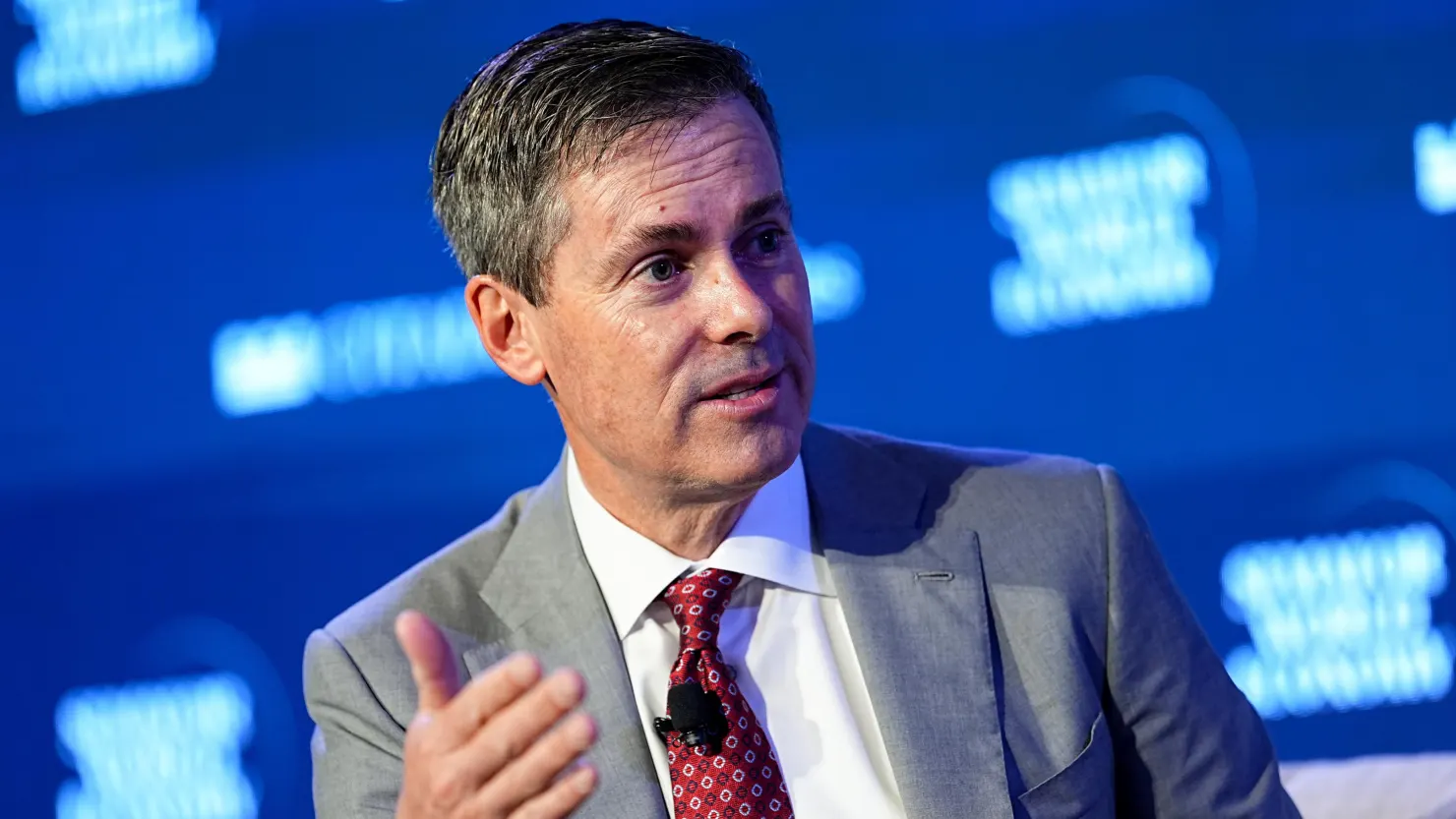
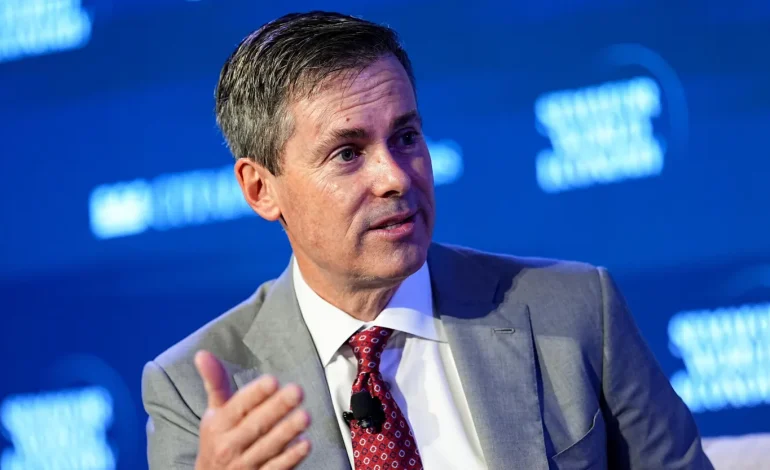
CEO David Ricks pointed to the consistency of growth as something unusual for a pharma company at this scale.
“It’s like our fifth or sixth quarter in a row of really strong topline growth,” he said in an interview. “That’s not something big pharma typically does.”
Geography is also telling a similar story. US revenue climbed 43% to $12.1 billion, driven largely by prescription volume, not just pricing. Outside the US, sales jumped even faster – up 81% to $7.7 billion – thanks to rapid adoption across Europe, China, and Brazil.
Ricks noted that international expansion had been slowed last year by supply constraints, but that newer launches are now “hitting stride” across major markets.
Net income for the quarter came in at $7.40 billion, or $8.26 per share, a steep rise from $2.76 billion a year ago.
There’s also a new piece in the puzzle: Foundayo, Lilly’s recently approved GLP-1 pill for obesity. It only launched in the second quarter, so it isn’t included in these results – but it’s already drawing attention. Ricks said more than 20,000 patients have started the treatment in just a few weeks, with over 1,000 new starts per day.
For now, demand is largely organic. The company hasn’t even begun TV advertising for it yet.
That rollout, and whether the pill can match momentum seen from rivals, is likely to dominate investor discussions going forward. But for now, Lilly is still riding the same wave that’s been lifting it quarter after quarter: high demand, global expansion, and a GLP-1 market that keeps getting bigger.


The latest news in your social feeds
Subscribe to our social media platforms to stay tuned