
Sinaloa governor steps aside as US cartel charges deepen tensions with Mexico
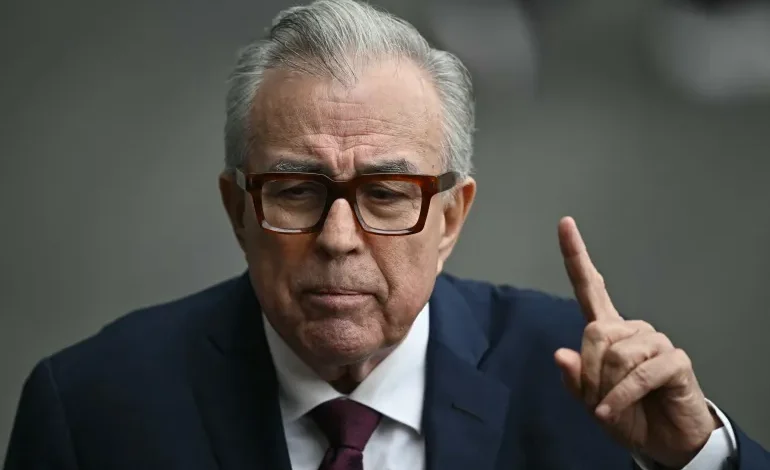

The governor of Mexico’s Sinaloa state has stepped down temporarily after being named in a sweeping US drug trafficking indictment, a move that adds fresh strain to already tense relations between Washington and Mexico City.
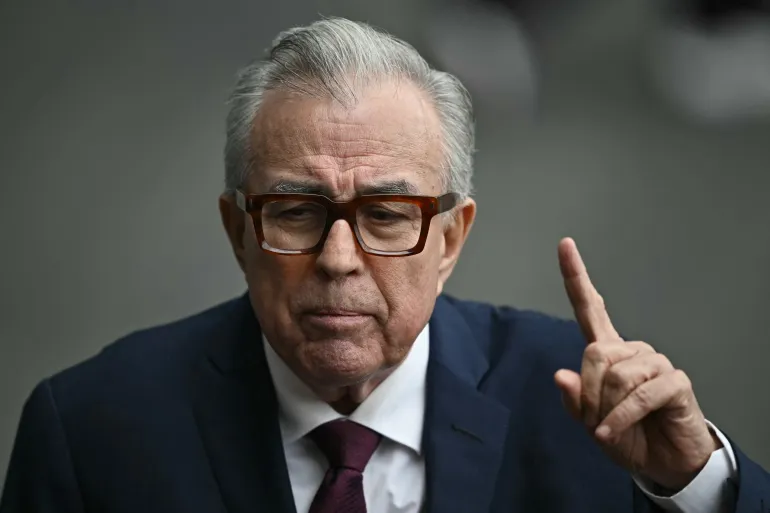
Ruben Rocha Moya announced his decision in a short video late Friday, denying all allegations but saying he would take “temporary leave” to focus on his legal defence.
“My conscience is clear,” he said. “To my people and to my family, I can look you in the eye because I have never betrayed you, and I never will.”
The charges, unsealed earlier this week by US prosecutors, go beyond individual wrongdoing. They accuse Rocha Moya and nine other officials of directly assisting the Sinaloa cartel, allegedly helping facilitate smuggling operations in exchange for political support and bribes.
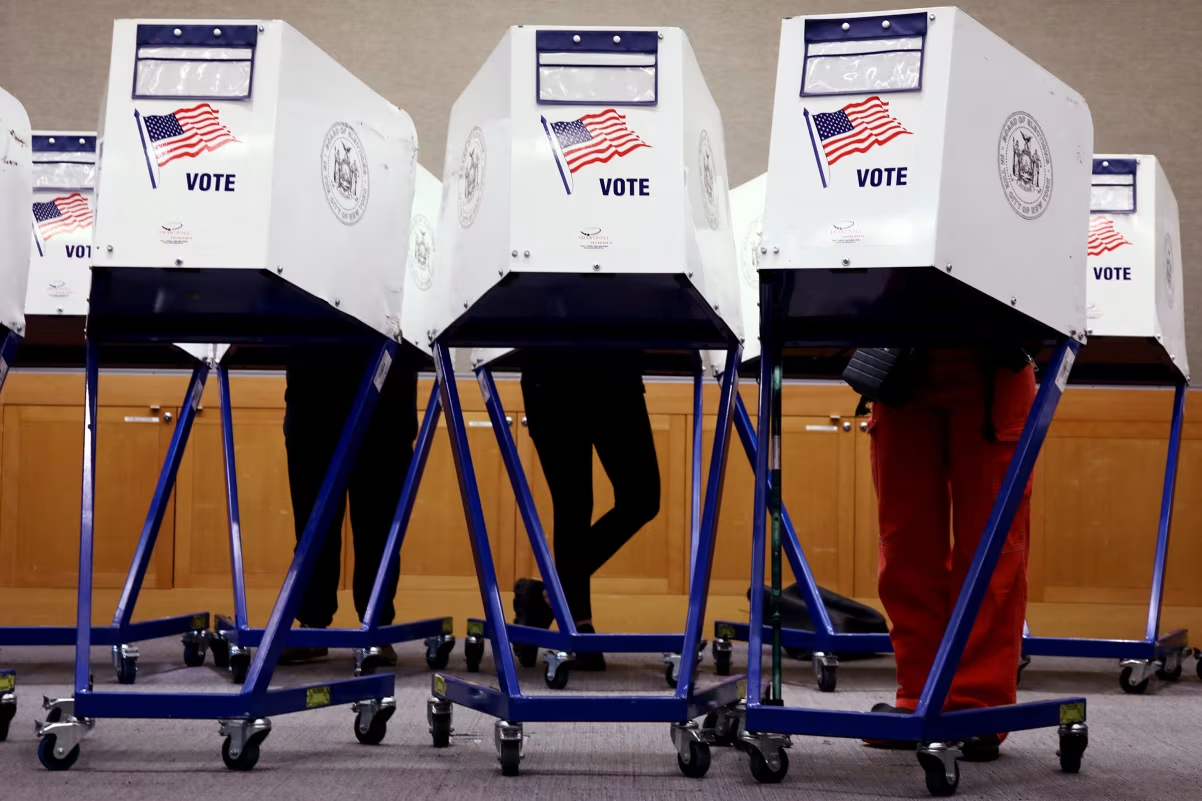
According to the indictment, that support extended into the electoral process. Prosecutors allege cartel members kidnapped and intimidated opposition candidates during the 2021 elections and interfered with ballots cast against Rocha Moya — claims that, if proven, would point to a deep overlap between criminal networks and political power.
The fallout has been immediate. Juan de Dios Gamez Mendivil, the mayor of Culiacan and another figure named in the indictment, also announced he would step down, while maintaining his innocence.
In Mexico City, President Claudia Sheinbaum has pushed back on the US case, questioning both its evidence and its timing.
“My position on these events is as follows: truth, justice and the defence of sovereignty,” she said, adding that the allegations presented so far fall short of proof.
She made clear that her government would cooperate if credible evidence emerges, but drew a firm line on jurisdiction.
“If ‘clear and irrefutable evidence’ is presented, the US still must proceed ‘in accordance with the law under our jurisdiction’,” she said.
Sheinbaum also warned that without such evidence, the charges appear politically motivated, arguing that “it is evident that the aim of these charges by the [US] Department of Justice is political.”
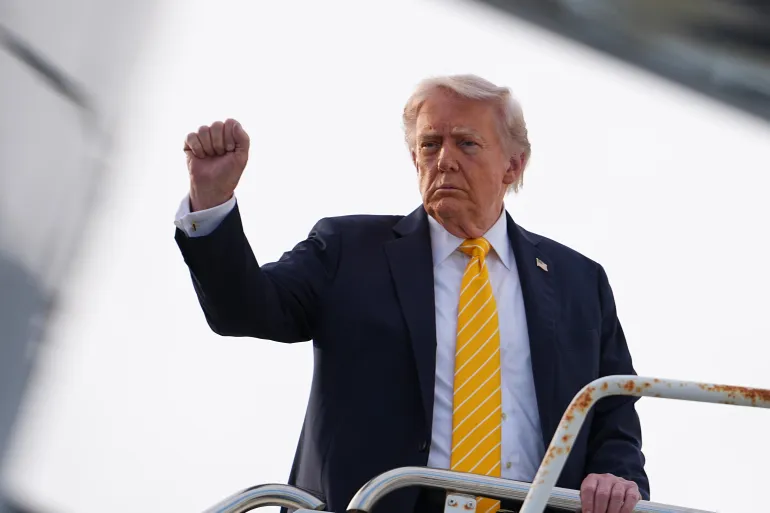
That response reflects the broader context in which the case is unfolding. Since returning to office, President Donald Trump has increased pressure on Mexico to crack down on drug trafficking and migration, combining security demands with economic leverage, including tariffs.
Washington’s decision to label several Latin American cartels as “Foreign Terrorist Organisations” has further escalated the tone, blurring the line between law enforcement and national security strategy. Mexican officials have resisted that framing, seeing it as a potential justification for deeper US involvement on their territory.
For Sheinbaum, the challenge is balancing cooperation with sovereignty. Her administration has worked with the US on cartel enforcement, but has consistently rejected the idea of US military action inside Mexico.

The latest news in your social feeds
Subscribe to our social media platforms to stay tuned