


Trump reviews Iran proposal while keeping threat of strikes on the table


US President Donald Trump says he is weighing a 14-point proposal from Iran to end the ongoing conflict, but his comments suggest the ceasefire remains fragile and heavily conditional.
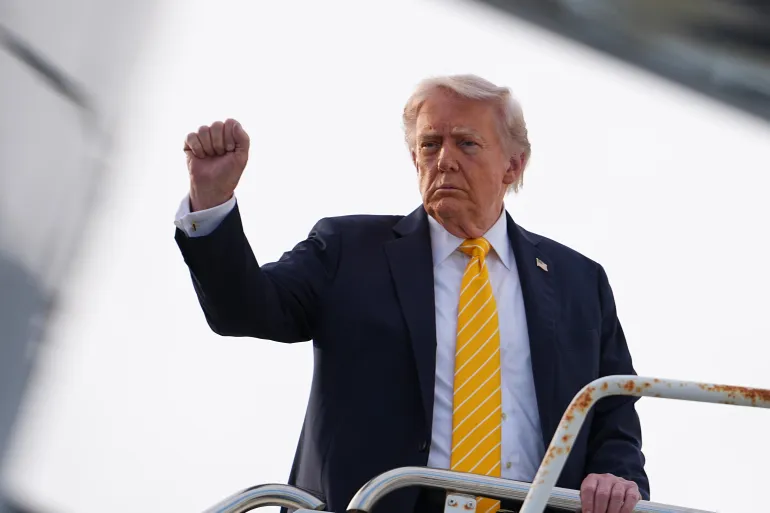
Speaking to reporters before boarding Air Force One, Trump confirmed he had been briefed on what he called the “concept of the deal”. At the same time, he made clear that military action remains an option.
“If they do something bad, there is a possibility it could happen,” he said when asked whether US air strikes could resume.
That dual message — openness to talks paired with a readiness to escalate — captures the current moment. A three-week ceasefire has paused active fighting since early April, but neither side appears to be stepping back from its core positions.
Trump framed the situation in stark terms, arguing that Iran is under pressure to reach a settlement after months of conflict and a naval blockade.
He said the US was “doing very well” and described Iran as “decimated”, while later writing that it was hard to see the proposal being accepted because Tehran had “not yet paid a big enough price for what they have done to Humanity, and the World, over the last 47 years.”
Details of Iran’s proposal point to why negotiations are proving difficult. The plan reportedly calls for the lifting of the US naval blockade, compensation in the form of war reparations, and the release of frozen Iranian assets. It also outlines a 30-day timeline to finalise a peace agreement — a pace that does not align with Washington’s preference for a longer, more controlled process.
On the ground, the pause in fighting has not translated into de-escalation. Iran’s Islamic Revolutionary Guard Corps said it remains on “full standby”, signalling that it expects the truce could collapse at any point. Officials in Tehran have also seized on Trump’s recent description of the blockade as a “very profitable business”, calling it a “damning admission of piracy”.
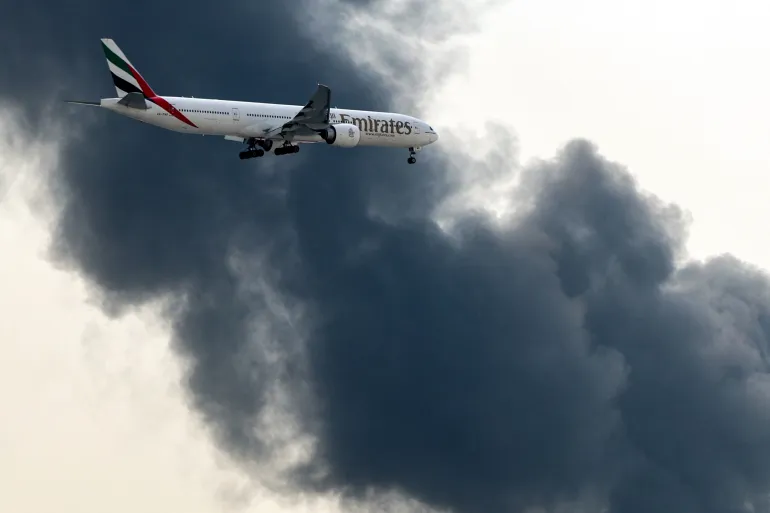
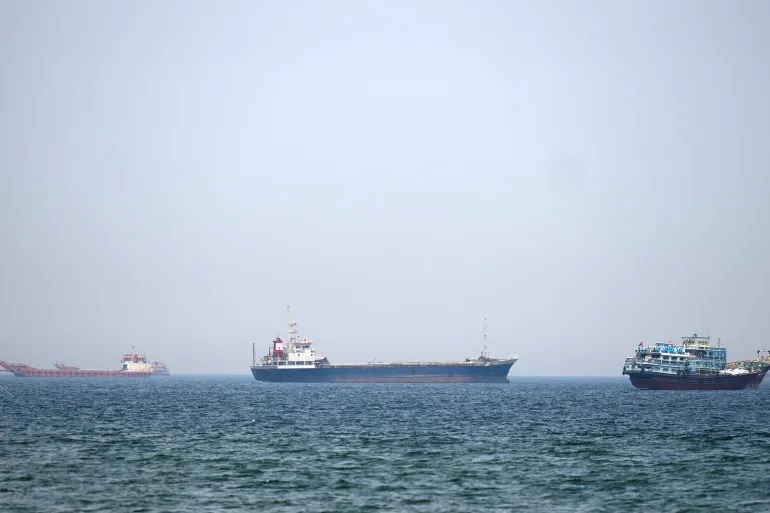
Beyond the rhetoric, there are practical barriers to any agreement. The Strait of Hormuz, a critical global shipping route, remains partially constrained, with Iranian sea mines cited as one of the obstacles to reopening it fully. At the same time, tensions between Washington and its allies have added another layer of complexity, particularly after Trump’s decision to withdraw US troops from Germany.


The latest news in your social feeds
Subscribe to our social media platforms to stay tuned