



CNBC, Bloomberg, the Independent, Bureau of Transportation Statistics contributed to this report.
Airlines didn’t just feel the impact of the Iran war – they paid for it, heavily and immediately.
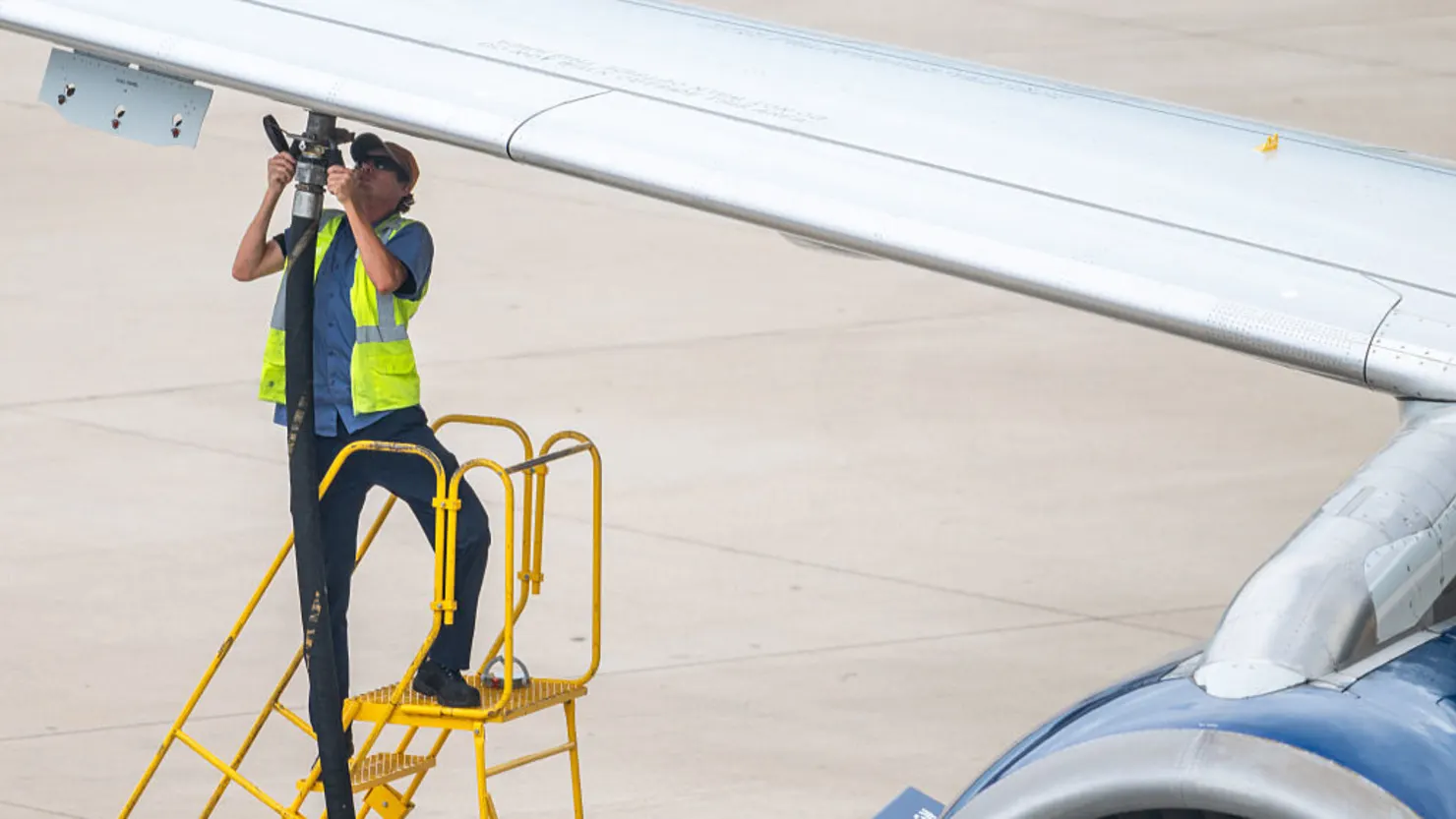
US carriers burned through more than $5 billion on jet fuel in March, a staggering jump that landed just weeks after US-Israel strikes on Iran disrupted global oil flows. Government data shows fuel spending shot up 56.4% from February, when airlines spent $3.23 billion. A year earlier, the bill was far lower.
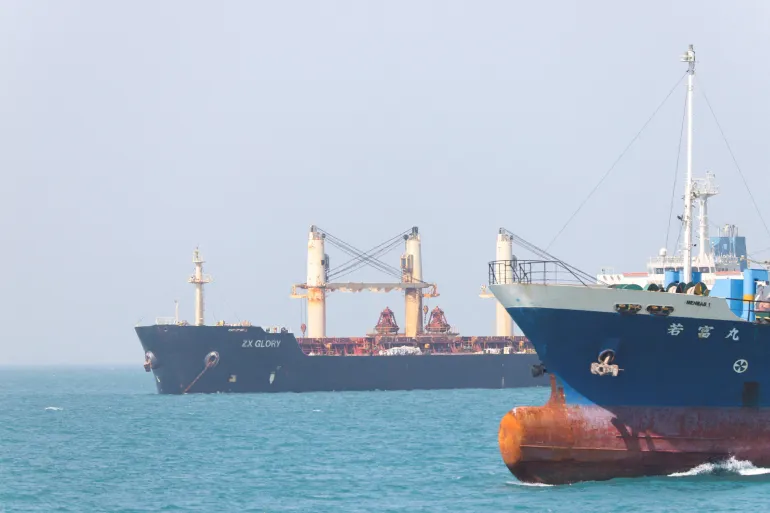
The timing isn’t a coincidence. The conflict effectively choked off traffic through the Strait of Hormuz, a key artery for global oil. Fuel prices surged. Airlines had no choice but to absorb the hit – at least at first.
The price per gallon climbed to $3.13 in March, up nearly a third in a single month. Consumption also ticked higher, meaning carriers were paying more while using more. A painful combo.
By April, things got worse. In some markets, jet fuel pushed past $4 a gallon as the conflict dragged on.
That’s a problem for an industry where fuel is second only to labor in terms of costs – and sometimes accounts for a quarter of total expenses. When that number jumps, everything else starts to wobble.
Airlines have already begun adjusting. Growth plans are being trimmed. Forecasts for 2026? In many cases, scrapped entirely. Executives are signaling caution, not expansion.
Some companies didn’t make it through the turbulence. Budget carrier Spirit Airlines shut down operations over the weekend, blaming a surge in fuel costs that added roughly $100 million to its expenses in just two months and derailed its restructuring plans.
Others are still flying, but they’re shifting the burden. Higher ticket prices, new fees, fewer routes – the usual playbook when margins get squeezed. Several airlines have told investors they expect travelers to start absorbing these costs by late 2026 or early 2027.
For now, demand is holding up. Travel agency sales climbed 12% in March compared to a year earlier, hitting $10.4 billion. Domestic trips rose modestly, international travel edged up as well. People are still booking flights – even as prices creep higher.
But there’s a limit to how long that can last.
Airlines know this cycle. Fuel spikes come and go. The difference this time is how quickly costs jumped – and how uncertain the timeline is for relief. As long as oil supply remains under pressure, the meter keeps running.



The latest news in your social feeds
Subscribe to our social media platforms to stay tuned