


The Financial Times, Politico, Reuters, the Hill, and Bloomberg contributed to this report.
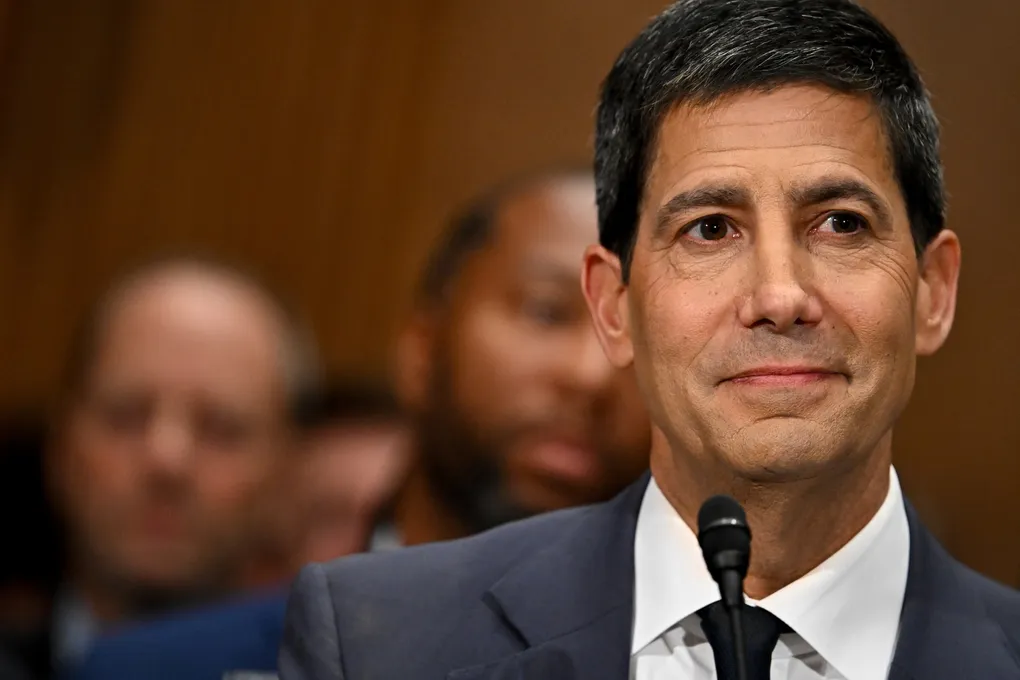
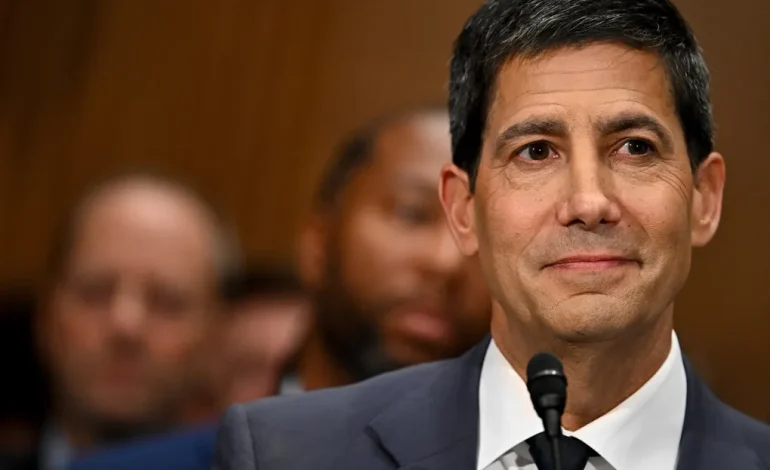
Kevin Warsh is now one step away from taking over the Federal Reserve.
The Senate voted Monday to advance Warsh’s nomination to the Fed Board of Governors, clearing the first hurdle in what Republicans hope will be a quick path to installing him as the next Fed chair before Jerome Powell’s term expires Friday.
The procedural vote passed 49-44, mostly along party lines. Only two Democrats – Sens. John Fetterman of Pennsylvania and Chris Coons of Delaware – crossed over to support moving the nomination forward.
Republicans are trying to fast-track the process after weeks of delays. The Senate is expected to vote Tuesday on confirming Warsh to the Fed board while also beginning the next round of procedural steps for his appointment as chair. A final confirmation vote for the top job is expected Wednesday.
Warsh’s nomination had been stuck for a while in the Senate Banking Committee. The logjam broke after Sen. Thom Tillis of North Carolina dropped his opposition following the Justice Department’s decision to end an investigation into whether Powell misled Congress about renovation costs tied to the Fed’s headquarters project.
That shift mattered. Tillis held the key vote needed to move Warsh out of committee.
The 55-year-old former Fed governor is not new to the central bank. He served during the 2008 financial crisis and built a reputation as an inflation hawk, though more recently he has signaled openness to lower interest rates if economic conditions weaken.
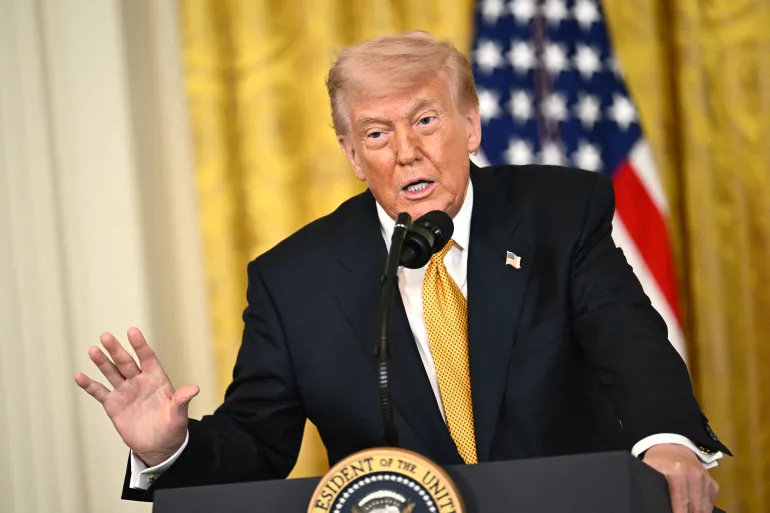
Still, Warsh has tried to put distance between himself and President Donald Trump’s public pressure campaign on the Fed.
During his confirmation hearing, Warsh insisted Trump never asked him to commit to rate cuts and said he would not have agreed even if he had. He also repeatedly stressed the importance of maintaining the Fed’s independence, an issue Democrats hammered during the hearings.
That skepticism showed up in the vote count.
Warsh received no Democratic support when the Senate Banking Committee advanced his nomination last month, an unusually partisan outcome for a Fed chair nominee. Powell’s own procedural vote back in 2014 drew far broader bipartisan backing.
Even with Powell’s term as chair ending this week, his broader seat on the Fed board technically runs through January 2028. Powell has indicated he plans to stay until an ongoing review tied to the Fed headquarters renovation is fully resolved.
For markets, the bigger question now is what kind of Fed chair Warsh turns out to be. Investors know him as someone wary of inflation, but also someone facing intense political pressure from a White House eager for lower borrowing costs.


The latest news in your social feeds
Subscribe to our social media platforms to stay tuned