
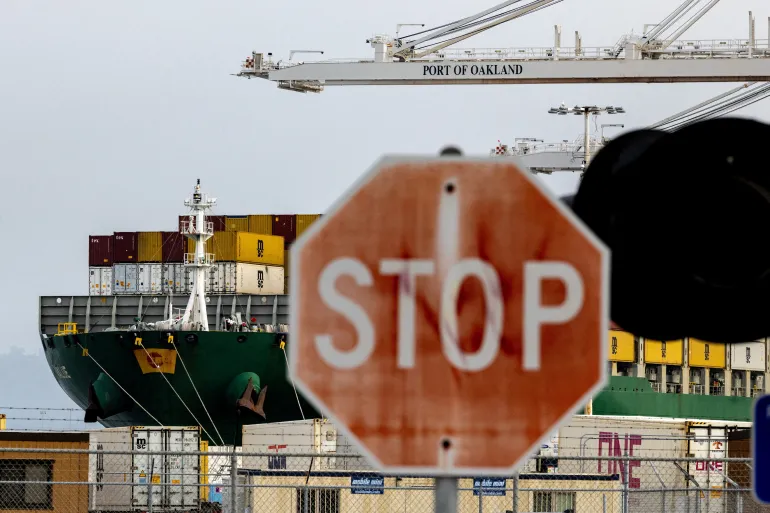

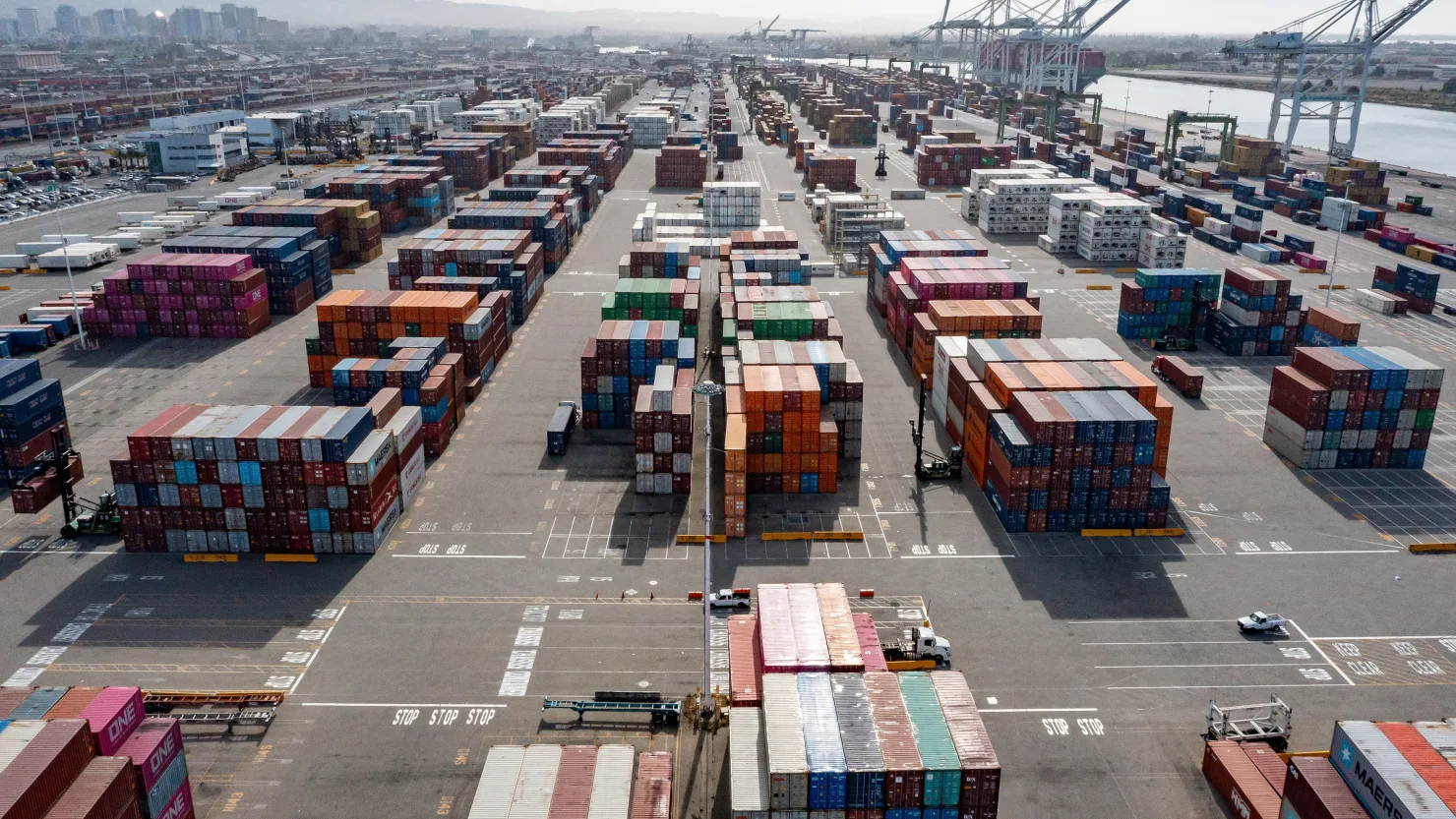
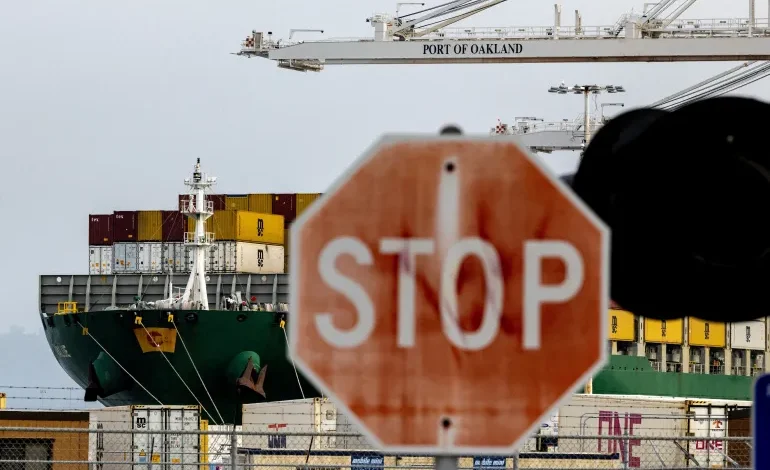

Donald Trump’s 10 percent global tariff is back in effect for now after a federal appeals court stepped in to pause a lower court ruling that had declared the measure unlawful.
The decision, issued Tuesday, does not settle the underlying dispute. But it buys the White House time and keeps one of Trump’s most sweeping trade policies alive while the legal battle moves forward.
At the center of the case is a familiar question in the Trump era: how far a president can go in using executive authority to reshape trade policy without Congress.
Trump imposed the blanket tariff in January under Section 122 of the Trade Act of 1974 after the Supreme Court of the United States struck down an earlier set of broad tariffs justified under the International Emergency Economic Powers Act.
That earlier ruling was a significant setback. The Supreme Court concluded that the IEEPA did not give the president authority to impose across-the-board tariffs.
The administration then turned to Section 122, a lesser-used provision that allows temporary trade measures under specific conditions.
Last week, the United States Court of International Trade ruled 2-1 that Trump had not met those conditions.
“The President’s Proclamation fails to assert that those required conditions have been satisfied,” the court wrote.
It added that the proclamation “is invalid, and the tariffs imposed on Plaintiffs are unauthorized by law”.
The plaintiffs, a coalition of 24 states, argue that the tariffs exceed presidential authority and function as an illegal tax on consumers and businesses.
“It’s American consumers and businesses that have ultimately paid for the president’s illegal tariff campaign,” Nick Brown said after the lower-court ruling.
Economic data released Tuesday added to that argument. Consumer prices for apparel and electronics rose 0.6 percent, while toys and furniture increased 0.8 percent, suggesting the costs of tariffs are filtering into everyday purchases.
Even if the courts ultimately uphold Trump’s use of Section 122, the tariff faces another constraint. Under the statute, such measures expire after 150 days unless Congress votes to extend them. That means the current tariff is set to lapse in July without legislative action.
The administration is also dealing with the fallout from the now-invalidated IEEPA tariffs. US Customs and Border Protection expects to refund $35.46bn covering 8.3 million shipments processed as of Monday.

The latest news in your social feeds
Subscribe to our social media platforms to stay tuned