

Japan’s Snack Aisle Gets a Little Less Colorful as the Iran War Squeezes Ink Supplies

AP, BBC, the Wall Street Journal, the Guardian, Forbes, and contributed to this report.
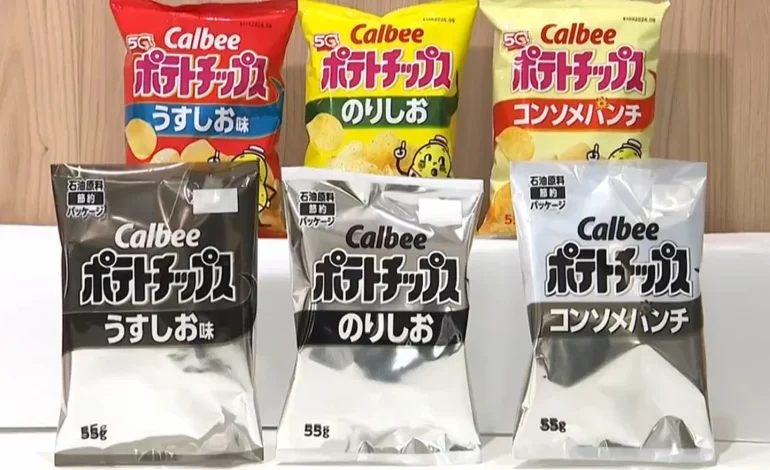
Japan’s snack shelves are getting a strange new look: some of the country’s best-known chip bags are going black-and-white.
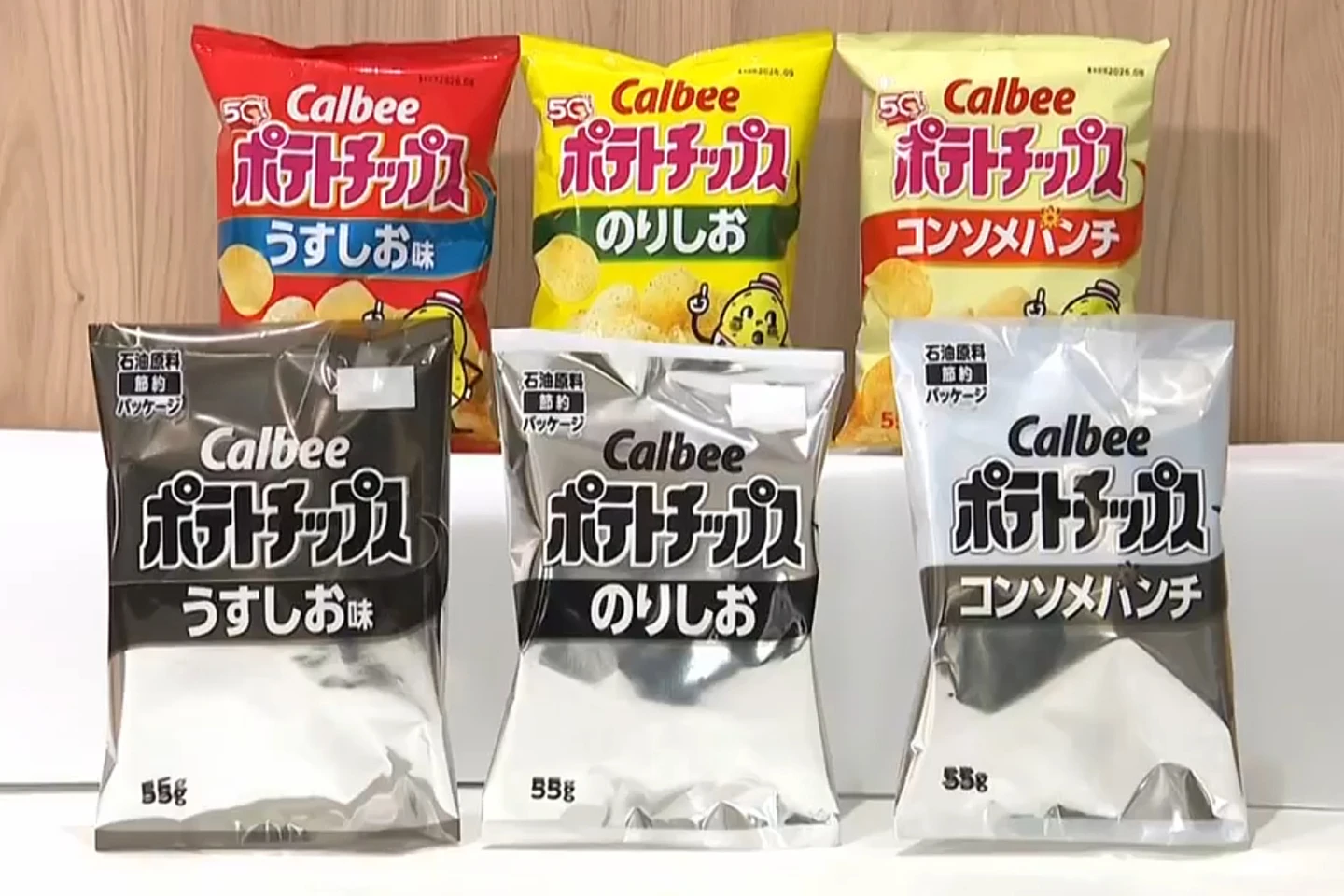
Calbee, one of Japan’s biggest snack makers, said it will switch 14 products to monochrome packaging starting May 25 because the war in Iran has disrupted supplies of an ingredient used in colored ink. The snacks themselves are unchanged. Same chips, same cereal, just a much drearier wrapper.
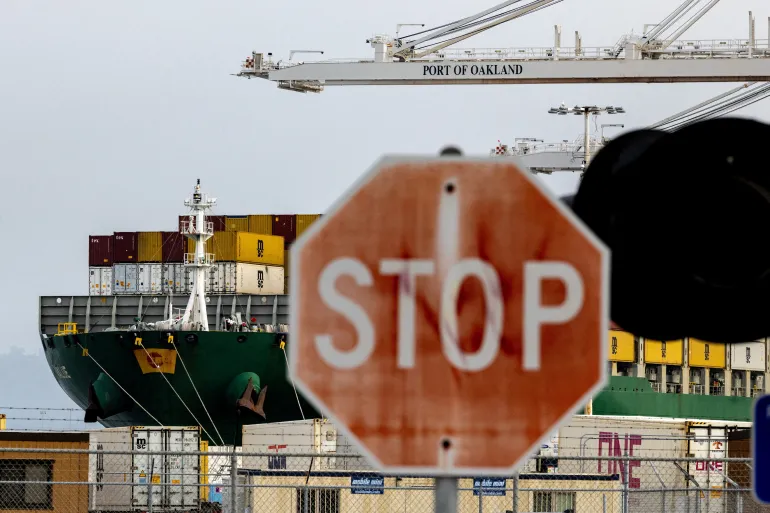
The company says it is trying to keep products flowing normally while dealing with a mess in raw-material supplies caused by the closure of the Strait of Hormuz, a key shipping route that has been heavily disrupted by the conflict.
That may sound like a small thing, but in Japan it is a pretty visible sign of how far the fallout is spreading. The country relies heavily on imported oil and oil-derived materials, including naphtha, which is used in things like plastic and printing ink. With shipments through Hormuz constrained, supply chains are getting tighter across a bunch of industries.
Calbee’s usual bright-orange “usu shio” chip bag, with its yellow chips and smiling potato mascot, is one of the victims. The new version is stripped down to simple monochrome lettering. No flash. No mascot. Just a functional bag trying to get the job done.
The company said it could not say how long the change would last. It also framed the move as a way to stay flexible as geopolitical risks keep shifting under its feet.
This is not just a Calbee problem. Other Japanese manufacturers are also feeling the strain, from snack makers to car companies and paint suppliers, as shortages and higher costs ripple through the economy. One competitor, Yamayoshi Seika, already had to pause production of its Wasabeef potato chips after heavy oil shortages hit its factory operations.
Japan’s government has tried to calm nerves, insisting there is no immediate national shortage of naphtha and pointing to stockpiles and alternate import routes. Officials say supplies remain available for essential uses, even if companies are clearly scrambling behind the scenes.
Still, the bigger picture is hard to ignore. The war in Iran has already pushed energy prices higher, rattled global trade and created fresh headaches for manufacturers far beyond the Middle East. A few chip bags turning black-and-white may seem minor. It is really just a glimpse of a much bigger squeeze.


The latest news in your social feeds
Subscribe to our social media platforms to stay tuned