


Trump Stands by Pakistan as Iran Mediator Despite Graham’s Criticism

Donald Trump is sticking with Pakistan as a go-between in talks with Iran, brushing aside criticism from one of his closest political allies and underscoring the increasingly visible split inside his own camp over how to handle Tehran.
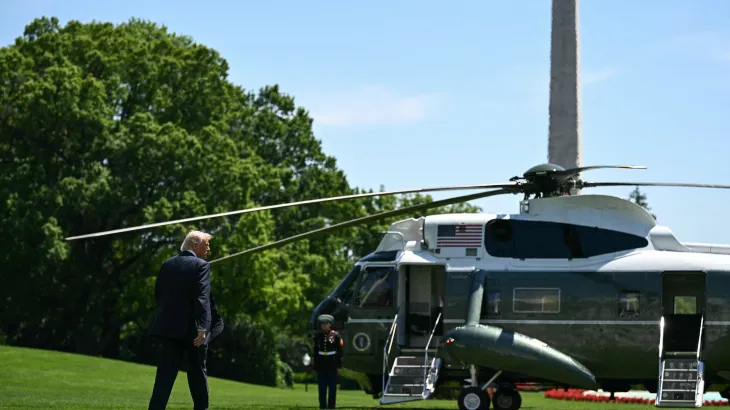
Speaking to reporters on Tuesday, Trump praised Shehbaz Sharif and Asim Munir, both of whom have played a central role in efforts to keep a fragile ceasefire between the United States and Iran in place.
“They’re great. I think the Pakistanis have been great. The field marshal and the prime minister of Pakistan have been absolutely great,” Trump said.
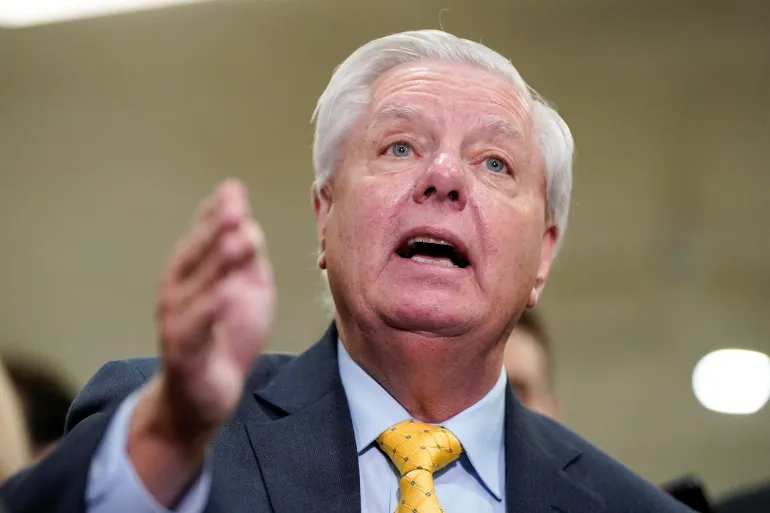
The endorsement came just hours after Lindsey Graham publicly questioned whether Pakistan can be trusted to mediate at all.
During a Senate hearing, Graham cited a CBS News report alleging that Pakistan is allowing Iran to position military assets at its airfields to shield them from possible US or Israeli strikes.
Neither Pete Hegseth nor Dan Caine commented on the claim, saying the diplomatic context was too sensitive.
Graham was less restrained.
“I do. I want to get in the middle of those negotiations,” Graham said.
“I don’t trust Pakistan as far as I can throw them. If they actually have Iranian aircraft parked in Pakistan bases to protect Iranian military assets, that tells me maybe we should be looking for somebody else to mediate. No wonder this damn thing is going nowhere.”
The exchange highlights a deeper divide inside Washington. Trump appears willing to keep diplomatic channels open, even through partners some in his own party view with suspicion. Graham, by contrast, has been among the most vocal advocates of a harder line against Iran and has repeatedly warned against offering concessions.
The South Carolina senator is one of the most influential foreign policy voices in Trump’s orbit. Weeks before the war began, he met the president in Florida and presented him with a hat reading “Make Iran Great Again.”
Pakistan has emerged as an unexpected intermediary since the ceasefire took effect in April. Islamabad has worked to revive negotiations after direct contacts stalled over core disputes, including Iran’s demand that the United States lift its naval blockade before broader talks resume.
Those negotiations remain stuck. Trump said on Sunday that Tehran’s latest proposal was “unacceptable”.
Still, his public backing of Pakistan suggests the White House sees value in keeping a trusted regional channel open, even as skepticism grows among some of Trump’s closest allies.
The episode also reflects a familiar feature of Trump-era diplomacy: the president often relies on personal relationships and unconventional intermediaries, even when members of his own team openly question the strategy.

The latest news in your social feeds
Subscribe to our social media platforms to stay tuned