



Trump–Iran Uranium Fight Keeps Oil on Edge and Could Push More Prices Higher

Bloomberg, Reuters, Barron’s, and Oilprice.com contributed to this report.
The US and Iran are edging toward a possible deal, but every small bit of progress seems to come with a fresh flare-up.
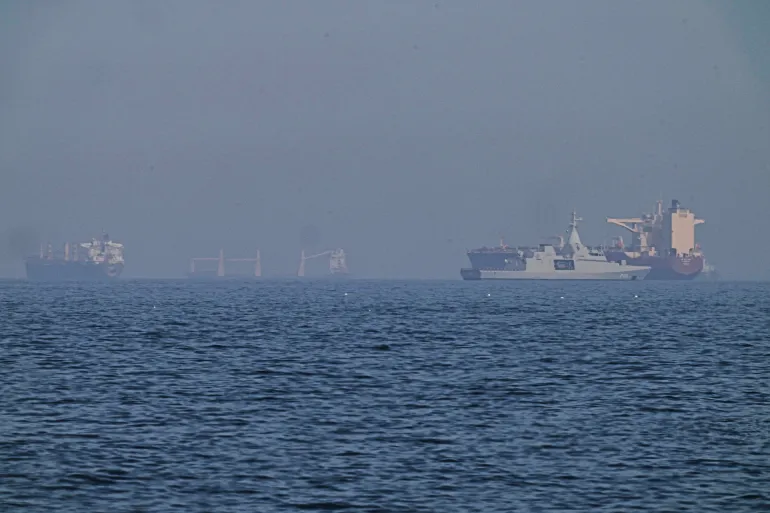
Tehran says the latest American proposal has narrowed some of the gaps. Still, the biggest issues are sitting right there in the open: Iran’s uranium stockpile and what happens in the Strait of Hormuz, the narrow waterway that handles a huge share of the world’s oil. President Trump is also keeping the pressure on, warning of renewed strikes if talks collapse.
Oil traders are lurching between hope and fear. One minute the market is pricing in peace. The next, it is bracing for another escalation. Brent and WTI both jumped on Friday after a shaky week of headlines, but they are still on track for weekly losses because nobody is willing to bet too heavily on a clean breakthrough.
That uncertainty matters far beyond crude. If the Strait of Hormuz stays disrupted into August, Rapidan Energy Group says the fallout could be severe enough to echo the 2008 financial crisis, with Brent potentially running toward $130 a barrel. Even if the strait reopens sooner, inventories would still be thin for months, which leaves the world stuck with higher fuel costs, stubborn inflation and slower growth.
That is where the ripple effect starts to get ugly. Higher shipping and energy costs do not stay trapped in the oil market. They work their way into transport, manufacturing and, eventually, the price of everyday goods. Seafood is one of the things that can feel that squeeze, especially when fuel and freight stay high for too long.
The short version: diplomacy is still alive, but the market does not trust it yet. And until the Strait of Hormuz reopens for real, the whole global economy is going to keep feeling the twitch.



The latest news in your social feeds
Subscribe to our social media platforms to stay tuned