




The United Nations General Assembly has thrown its support behind a landmark International Court of Justice ruling that says countries have a legal obligation to act against climate change, turning what has often been framed as a political debate into a question of international law.
On Wednesday, 141 UN member states voted in favour of a resolution backing the ICJ opinion, while eight countries voted against it and 28 abstained.
The resolution reinforces an advisory opinion issued by the Hague-based court in July last year, when the ICJ concluded that states are legally required to respond to the “existential threat” posed by climate change. The decision followed one of the largest cases ever handled by the court, with judges reviewing extensive written submissions and hearing two weeks of oral arguments before delivering their opinion.
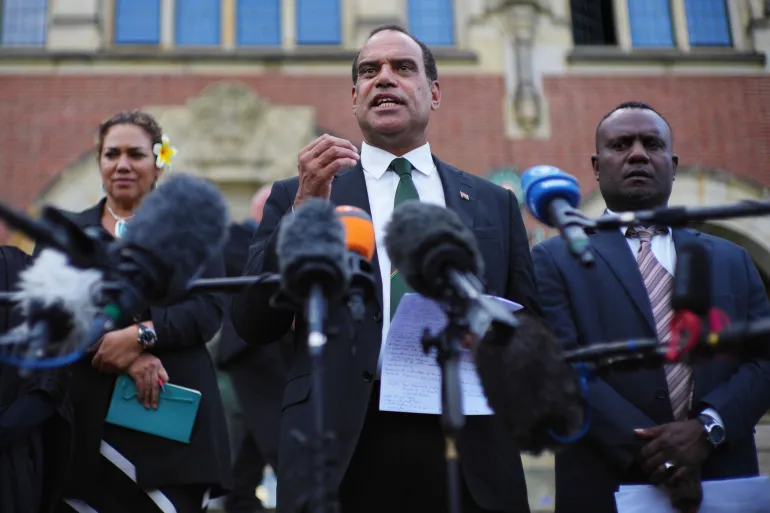
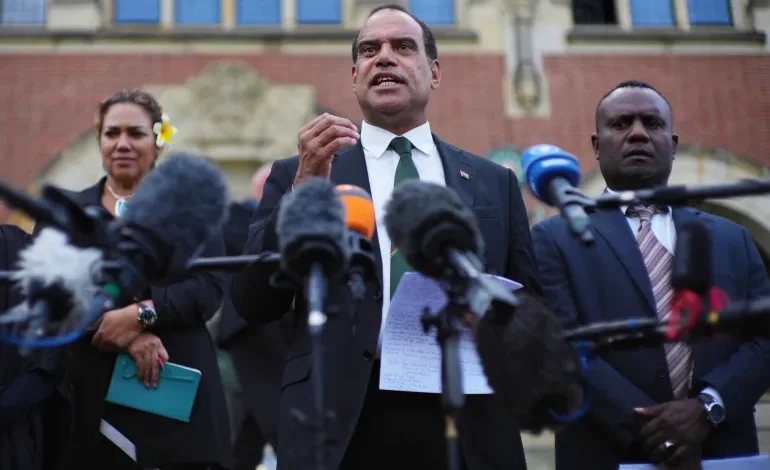
The effort was spearheaded by the Pacific island nation of Vanuatu, which has spent years pushing for stronger international recognition of the legal responsibilities tied to climate action. Vanuatu’s minister for climate change, Ralph Regenvanu, described Wednesday’s vote as a major moment for countries already facing the direct consequences of rising sea levels and extreme weather.
“Today the international community affirmed that climate change is not only a political and economic challenge, but a matter of law, justice, and human rights,” Regenvanu said in a statement.
“For vulnerable countries like Vanuatu, this resolution is deeply significant because it confirms that no State is above its obligations to protect people, future generations, and our planet.”
The ICJ case itself originated from a separate UN General Assembly resolution adopted by consensus in March 2023. But this week’s vote exposed sharper divisions, particularly between climate-vulnerable states and several major geopolitical powers.
Belarus, Iran, Israel, Liberia, Russia, Saudi Arabia, the United States and Yemen voted against the resolution.
Supporters of the resolution argue the vote strengthens the legal foundation for future climate accountability, especially as countries continue to miss emissions targets while the effects of climate change intensify globally.


The latest news in your social feeds
Subscribe to our social media platforms to stay tuned