


EXCLUSIVE: Inflation Fatigue Is Reshaping the US Economy, Small Businesses Are Feeling It


The US economy returned to growth in the first quarter of 2026, but beneath the headline numbers, signs of consumer exhaustion are becoming harder to ignore.
New Commerce Department data released Thursday showed gross domestic product expanding at an annual rate of 2.0 percent between January and March, recovering from the sluggish 0.5 percent growth recorded at the end of last year. Still, the figure came in below economists’ expectations, while inflation accelerated sharply as rising energy costs linked to the conflict involving Iran filtered through the economy.
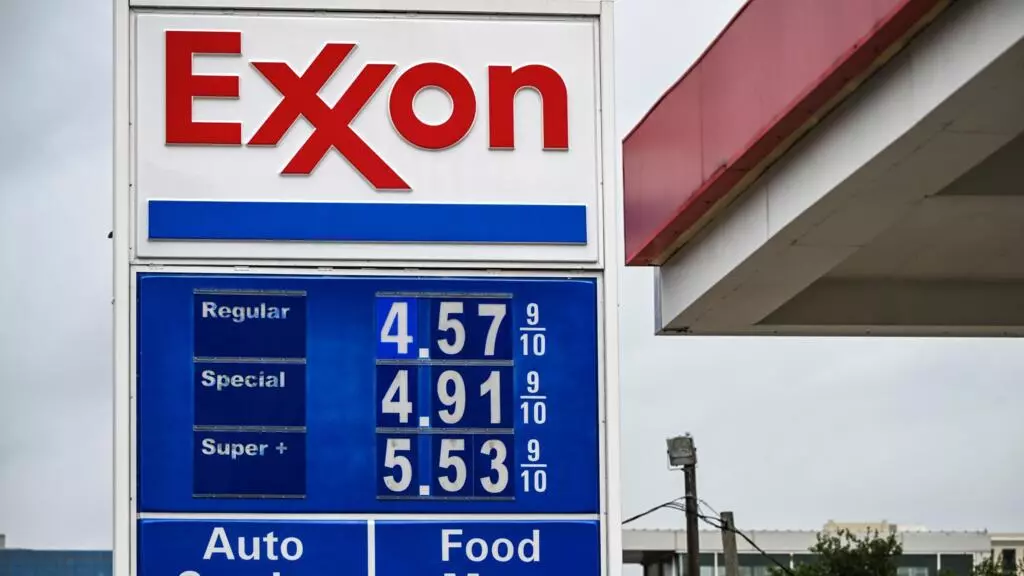
The Federal Reserve’s preferred inflation measure, the personal consumption expenditures (PCE) index, jumped 3.5 percent year-on-year in March, driven largely by soaring fuel prices after disruptions around the Strait of Hormuz pushed global energy costs higher. US gasoline prices have climbed accordingly, with the average gallon now reaching $4.30.
While investment activity, especially around artificial intelligence, continues to support growth, economists say consumer behavior is beginning to fracture along income lines.
Ben Johnston, COO at fintech company Kapitus, says inflation fatigue is no longer simply about people spending less. Instead, it is creating what he describes as a “K-shaped economy” where affluent consumers continue driving demand while lower- and middle-income households become increasingly constrained by essentials.
“While inflation is impacting all consumers across nearly all goods, it is not impacting all consumers equally,” Johnston told the Wyoming Star. “We now live in a K-shaped economy where the wealthy minority drive growth in consumer spending and everyone else struggles to make ends meet.”
That divide has become more visible as higher fuel and grocery costs consume a growing share of household budgets. Wealthier consumers remain relatively insulated from those increases, but for many families, discretionary spending is shrinking rapidly.
“The recent inflationary spike led by higher energy prices due to the War in Iran is exacerbating this problem,” Johnston said. “Wealthy consumers are relatively immune to higher energy costs, and their impact on the goods they purchase, while less wealthy consumers see more of their discretionary income going to operating vehicles and buying groceries.”
The changing consumer landscape is forcing businesses to rethink how they position themselves. Companies serving more price-sensitive customers are increasingly prioritizing affordability over premium offerings, even if that means compromising on quality or inventory strategies.
Restaurants, for example, are looking for cheaper ingredient substitutes, while electronics retailers are placing greater emphasis on refurbished products rather than new inventory. At the same time, financing tools like buy now, pay later services are becoming more central to retail strategy as businesses try to keep hesitant consumers spending.
“Retailers may also partner with buy now, pay later (‘BNPL’) firms to help customers finance their purchases,” Johnston noted.
The pressure is especially acute for small businesses, which are navigating rising operating costs alongside increasingly cautious customers. Analysts warn that while large corporations may have more room to absorb volatility, smaller operators are being forced into difficult trade-offs around staffing, pricing and expansion.
Johnston argues that survival in the current environment depends less on aggressive growth and more on maintaining flexibility and financial discipline.
“Small businesses should be focused on customer demand, cost of goods, operating expense, and free cash flow,” he said. “Finding a dependable market at prices that are sufficient to cover the cost of the business is critical in a volatile market like the one we are experiencing today.”
He also stressed the importance of maintaining access to multiple financing options as uncertainty continues to shape the economy.
“Companies operating in this environment should also maintain several financing relationships to help them finance growth and handle any volatility in cash flow,” Johnston added. “Having options in difficult times is critical to managing a durable business.”
The broader concern for economists is that the US economy increasingly appears to be moving in two directions at once. Investment-heavy sectors tied to AI and financial markets continue expanding, while many households quietly retreat into defensive spending behavior shaped by inflation, fuel prices and economic anxiety.


The latest news in your social feeds
Subscribe to our social media platforms to stay tuned