

Starbucks Korea Chief Apologizes Again after Campaign Sparks Outrage over Gwangju Massacre Echo

CBS News, NBC News, Al Jazeera contributed to this report.
Starbucks Korea’s top shareholder has apologized again after a marketing campaign set off a furious backlash for what many saw as a crude swipe at victims of South Korea’s 1980 pro-democracy crackdown in Gwangju.
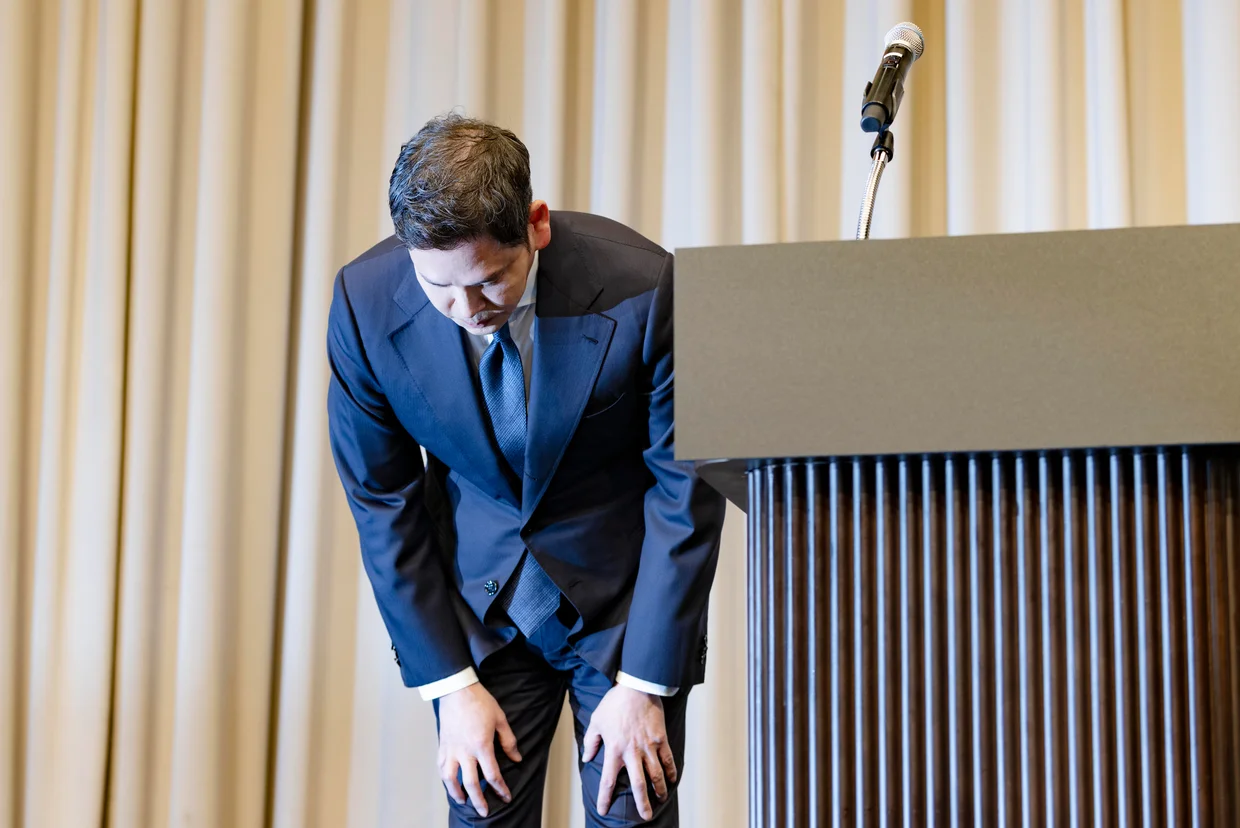
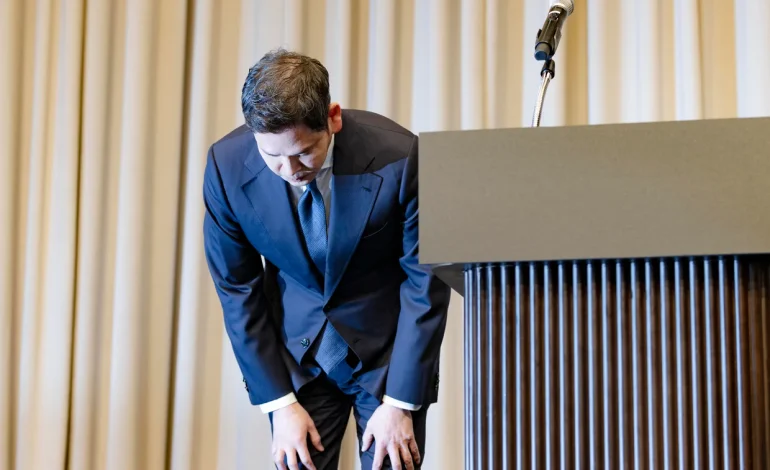
Chung Yong-jin, chairman of Shinsegae Group, bowed three times during a televised statement on Tuesday and said he was sorry for the pain the campaign caused. Shinsegae owns a 67.5% stake in Starbucks Korea.
“I take it very seriously that many people felt deep pain and anger because of Starbucks Korea’s inappropriate marketing campaign,” Chung said.
He also asked the public not to direct their anger at store workers, stressing that responsibility sits with management.
The uproar began after Starbucks Korea tried to promote a tumbler it called a “tank” with a “Tank Day” campaign set for May 18, the anniversary of the Gwangju Democratization Movement. That date carries deep political weight in South Korea. In 1980, troops, tanks and helicopters were used to crush pro-democracy protests in the southern city, leaving hundreds dead or injured.
Things got worse when the campaign used the slogan “Thwack it on the table!” Many people linked it to a notorious 1987 police cover-up in the torture death of student activist Park Jong-chol, when officers claimed he had died after investigators “hit the desk with a thwack.”
The response was immediate. Shinsegae scrapped the campaign within hours, fired the head of Starbucks Korea and said it was cooperating with a police investigation. Families of Gwangju victims filed complaints, and public anger quickly spilled into calls for a boycott.
The backlash has not faded. Government officials piled on too, with Interior and Safety Minister Yoon Ho-jung saying Starbucks products would no longer be used at state events. President Lee Jae Myung also condemned the campaign last week, calling it “inhumane and disgraceful.”
Shinsegae says it has not found proof that employees meant to mock the democracy movement, though some staff reportedly refused to hand over phones during an internal review. The company says anyone found to have acted with intent will be dismissed.
Sales have already taken a hit. A Shinsegae official said business fell sharply after the controversy broke.
For Chung, Tuesday’s apology was the second in two weeks. It may not be the last word on the issue, either. For many South Koreans, this was not just a bad ad campaign. It hit a nerve tied to trauma, memory and the country’s democratic struggle.


The latest news in your social feeds
Subscribe to our social media platforms to stay tuned