


US says Iran sea trade halted under expanded naval blockade

The US military says its naval blockade of Iran is now fully in place, with officials claiming that maritime trade to and from the country has effectively stopped.
In a social media statement, US Central Command (CENTCOM), which oversees military operations in the Middle East, said the restrictions apply to vessels of all nations attempting to enter or leave Iranian ports.
“An estimated 90% of Iran’s economy is fuelled by international trade by sea. In less than 36 hours since the blockade was implemented, US forces have completely halted economic trade going into and out of Iran by sea,” CENTCOM Commander Admiral Brad Cooper said late on Tuesday.
According to CENTCOM, more than 10,000 US personnel — including sailors, Marines and Air Force units — are involved in enforcing the blockade. In its initial phase, the operation has already forced multiple vessels to reverse course. The command said six merchant ships complied with US instructions to turn around and “re-enter an Iranian port” within the first 24 hours.
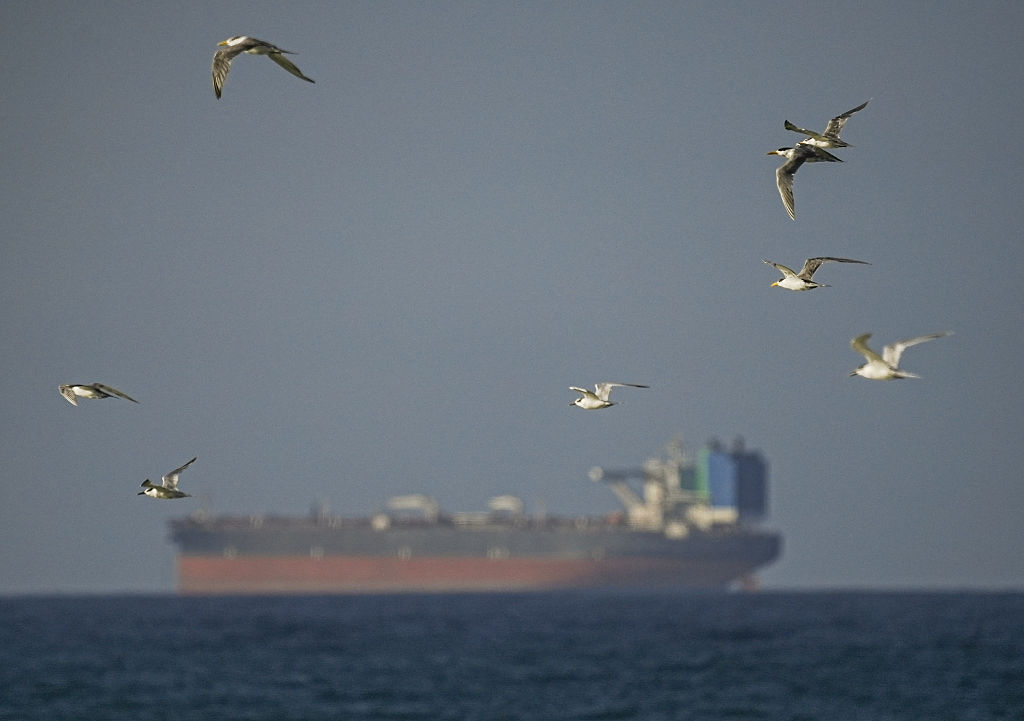
Additional details reported by Reuters point to direct interventions at sea. A US Navy destroyer intercepted two oil tankers departing from Iran on Tuesday and instructed them to turn back. The ships had left Chabahar port on the Gulf of Oman and were contacted via radio, according to an official cited by the agency.
The blockade follows a breakdown in talks between Washington and Tehran held over the weekend in Pakistan. Those negotiations came shortly after a ceasefire announcement that had temporarily paused hostilities. US President Donald Trump has framed the blockade as a way to increase pressure on Iran to accept US conditions for ending the conflict.
CENTCOM said that since the measures took effect on Monday morning in Washington, no ships have successfully passed through the blockade.
The move is already feeding into broader economic concerns. Oil prices briefly rose above $100 per barrel before easing, reflecting market sensitivity to disruptions in a region that plays a central role in global energy supply.
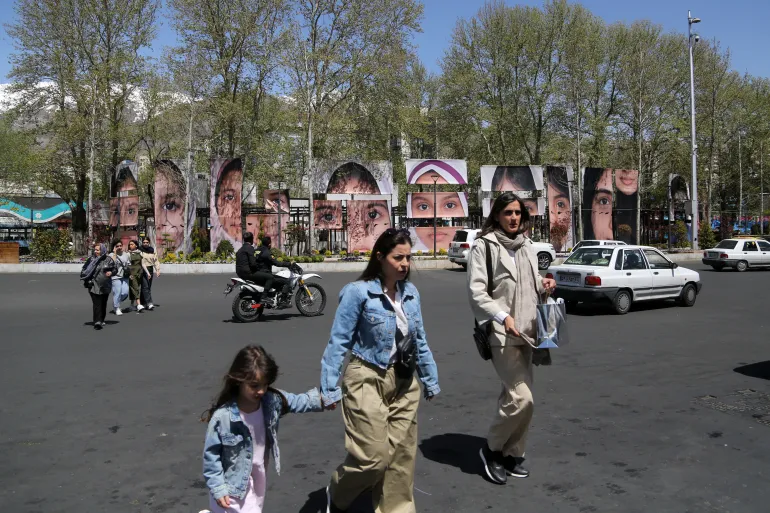
In Tehran, the blockade is being interpreted as a potential escalation. Abas Aslani, a senior research fellow at the Center for Middle Eastern Strategic Studies, said Iranian officials view the situation as both a pressure tactic and a signal that further negotiations could follow.
Tehran considers the blockade a violation of the current ceasefire, a development that could further complicate an already fragile pause in fighting.
“The ceasefire, which is currently in place, is a very fragile one,” Aslani said.
“We are waiting to see what will be the reaction from Iran.”


The latest news in your social feeds
Subscribe to our social media platforms to stay tuned