



With input from the Independent, USA Today, NPR, Reuters, and the Wall Street Journal.
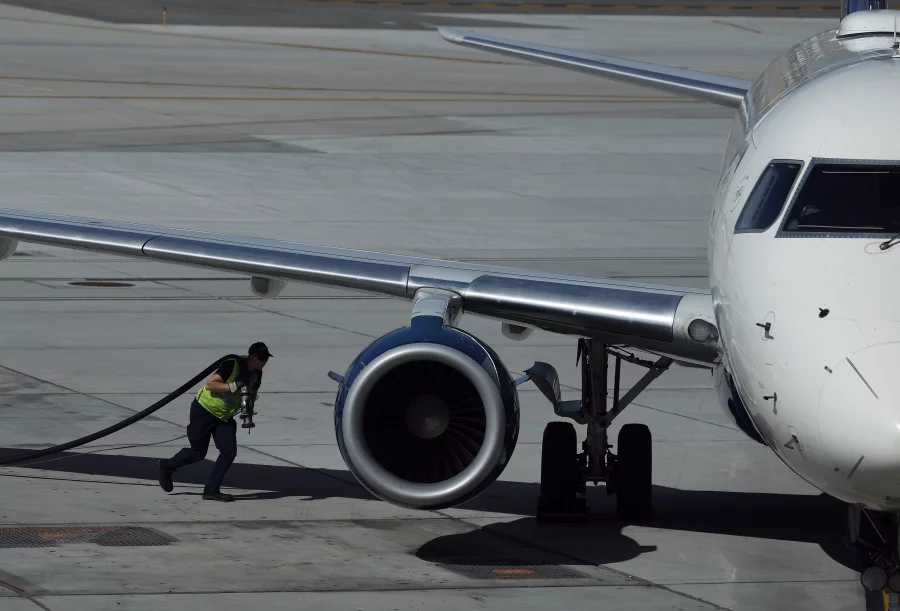
Jet fuel prices have shot up – fast. Since the start of the Iran war, they’ve roughly doubled, outpacing even the spikes seen in petrol and diesel. Airlines aren’t absorbing that hit quietly. They’re passing it on.
Ticket prices are creeping higher. Baggage fees are getting bumped. Some routes are disappearing altogether. What used to be marginally profitable is now a money-loser overnight.
The squeeze is global, but it’s hitting some regions harder than others. In parts of Asia, the situation is already acute. Governments are rationing fuel, exports are being restricted, and airlines are trimming schedules. One analyst summed it up bluntly: this is where the pressure is most intense right now.
Europe isn’t in the clear either. Airport operators have warned that if shipping through the Strait of Hormuz doesn’t stabilize soon, shortages could start biting within weeks. That narrow waterway has become a choke point – and a critical one. Tankers are barely moving through it, and that’s choking off both crude oil and the refined jet fuel that keeps planes in the air.
It’s a double hit. Refineries in the Gulf can’t ship finished fuel out, and refineries elsewhere can’t get the crude they need to make more. Add in the fact that major exporters like China, South Korea and Kuwait are either holding back supply or unable to ship it, and the global system starts to look shaky.
Airlines are adapting on the fly. Some are cutting underperforming routes. Others are raising fares or tacking on fuel surcharges. In the US, where airlines largely abandoned fuel hedging, the price surge is landing directly on their balance sheets. One major carrier expects an extra $2 billion in fuel costs this quarter alone.
Even so, there’s no widespread panic – yet. In the UK, airlines say supply remains steady for now, thanks in part to diversified sources. Carriers report they have visibility on fuel availability into mid-May, which buys some breathing room.
Still, nobody’s calling it stable. The word you hear most is “fluid.”
Behind the scenes, contingency plans are being sketched out. If supplies tighten, airlines could scale back flights – starting with routes that run multiple times a day. Older, less efficient aircraft might be grounded in favor of newer models that burn less fuel. Short-haul passengers could even be nudged onto trains where possible.
For now, most disruptions are economic rather than physical. Flights are being canceled because they’re no longer worth flying, not because tanks are empty. That could change if the crisis drags on.
There’s another wrinkle: timing. Even if the Strait of Hormuz reopened tomorrow, it wouldn’t fix things overnight. Oil fields need restarting. Refineries need time to ramp back up. And tankers still have weeks-long journeys ahead of them.
The lag is built into the system. So is the uncertainty.
For travelers, the message is simple. Expect higher prices. Stay flexible. And don’t assume your flight plan is set in stone.



The latest news in your social feeds
Subscribe to our social media platforms to stay tuned