


US seizes Iranian vessel as Hormuz standoff intensifies
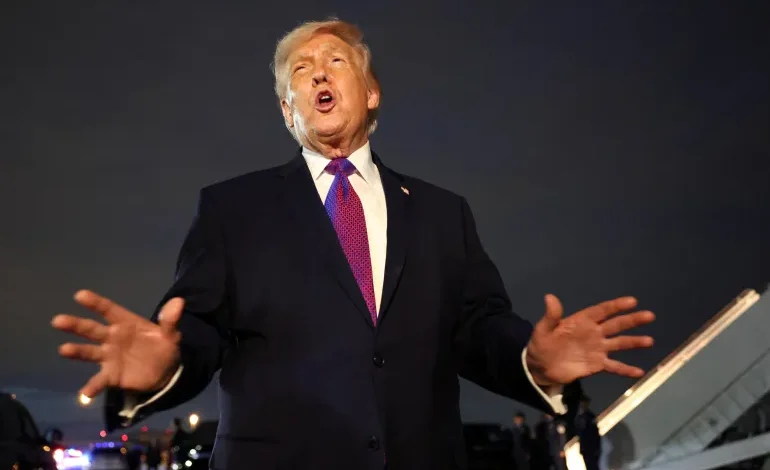


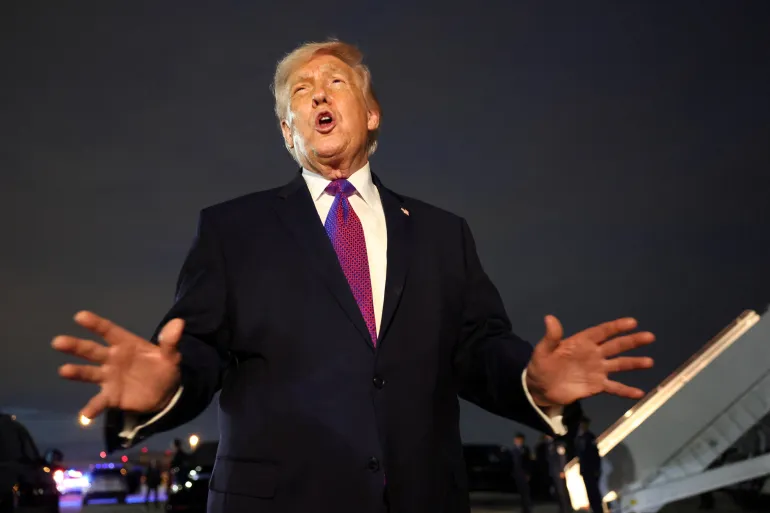
The confrontation in the Strait of Hormuz has taken a sharper turn, with US President Donald Trump announcing that American forces have seized an Iranian-flagged cargo ship accused of trying to breach the naval blockade.
In a post on Sunday, Trump said the vessel, named Touska, ignored repeated warnings from a US Navy guided missile destroyer in the Gulf of Oman. According to his account, the situation escalated quickly. The ship was “stopped… right in their tracks by blowing a hole in the engine room,” he wrote, adding that US Marines had taken custody and were “seeing what’s on board”.
US Central Command later said the Touska had been heading towards Iran’s Bandar Abbas port and had failed to comply with multiple warnings over a six-hour period to evacuate its engine room.
Tehran has framed the incident very differently. Early on Monday, Iran’s top joint military command accused the US of breaching a ceasefire agreed earlier this month, describing the action as an attack on a commercial vessel travelling from China.
“We warn that the armed forces of the Islamic Republic of Iran will soon respond and retaliate against this armed piracy by the US military,” a spokesperson for Khatam al-Anbiya said.
The episode comes amid an already fragile standoff in one of the world’s most strategically sensitive waterways. The Strait of Hormuz carries roughly a fifth of global oil shipments, and tensions there have escalated alongside the broader US blockade on Iranian ports, in place since April 13.
Iranian officials have signalled that access to the strait is now directly tied to that blockade. “It is impossible for others to pass through the Strait of Hormuz while we cannot,” Parliament Speaker Mohammad Bagher Ghalibaf said earlier on Sunday.
The messaging marks a reversal from just days earlier, when Iran had declared the strait open following a temporary truce linked to developments in Lebanon. That position shifted again after Trump said the blockade would remain “in full force” until Tehran agrees to Washington’s terms.
Shipping patterns reflect the uncertainty. After a brief uptick in transit attempts, vessels have again slowed or halted movement through the Gulf, particularly following reports of attacks on ships mid-passage.
At the same time, diplomatic signals remain inconsistent. Trump said US negotiators would travel to Islamabad for potential talks with Iran, raising hopes that the ceasefire — due to expire on Wednesday — might be extended. But Iranian state media later reported that Tehran had not agreed to a second round of negotiations.

The latest news in your social feeds
Subscribe to our social media platforms to stay tuned