



SPLC faces fraud indictment over informant funding


A long-running tactic used by one of the United States’ most prominent civil rights organisations is now at the centre of a federal criminal case, raising questions not just about method, but about the line between monitoring extremism and enabling it.
The Southern Poverty Law Center (SPLC) has been indicted on charges including wire fraud, bank fraud and conspiracy to commit money laundering, after the Justice Department accused it of misleading donors about how their contributions were used. At the core of the case is a covert programme that paid informants embedded within far-right groups, including the Ku Klux Klan and neo-Nazi organisations.
According to prosecutors, at least $3m was distributed between 2014 and 2023 to individuals affiliated with groups such as the United Klans of America, the National Socialist Party of America and the National Socialist Movement. The Justice Department alleges that these payments were routed through multiple accounts and prepaid cards, and that donors were not informed of the programme’s details.
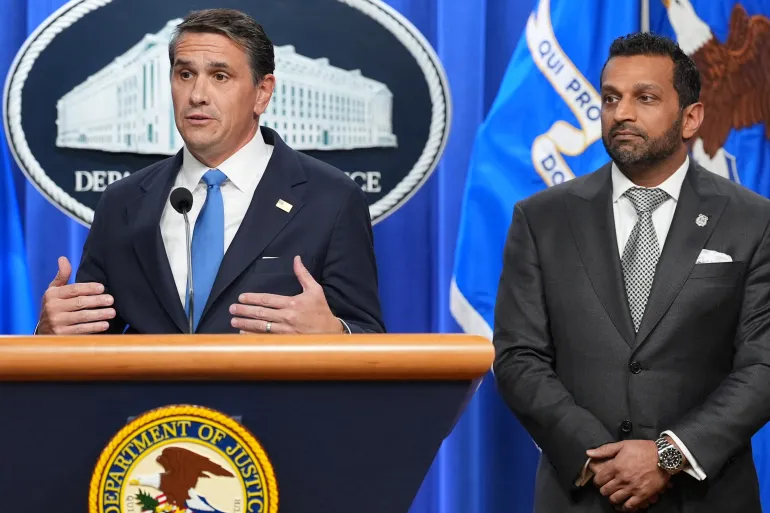
“The SPLC was not dismantling these groups. It was instead manufacturing the extremism it purports to oppose by paying sources to stoke racial hatred,” acting Attorney General Todd Blanche said.
The SPLC does not dispute the existence of the programme, but frames it differently. It says informants were used to monitor threats and that intelligence gathered was often shared with law enforcement agencies. The organisation also argues that secrecy was necessary to protect those involved.
SPLC CEO Bryan Fair said the group “will vigorously defend ourselves, our staff, and our work”.
He also pointed to the historical context behind the approach: “When we began working with informants, we were living in the shadow of the height of the Civil Rights Movement, which had seen bombings at churches, state-sponsored violence against demonstrators, and the murders of activists that went unanswered by the justice system.”
“There is no question that what we learned from informants saved lives.”
The indictment goes further, outlining the scale and structure of the programme. Prosecutors describe a network of at least nine informants, referred to internally as “the Fs”, with one individual receiving more than $1m over nearly a decade while affiliated with a neo-Nazi group. Another informant was identified as a senior figure within the Ku Klux Klan.
What makes the case politically charged is not just the financial allegations, but the broader context in which it is unfolding. The SPLC has long been a polarising actor in U.S. politics, widely cited for its research on hate groups but also criticised by conservatives for what they see as ideological bias.
The indictment lands at a moment when the Justice Department’s actions are already under scrutiny. Critics argue that a series of investigations targeting figures and organisations critical of President Donald Trump raises concerns about whether law enforcement is being used as a political tool. The administration rejects that characterisation, but the perception shapes how cases like this are received.
At the same time, the case cuts into a more practical tension: how far institutions can go in tracking extremist networks without crossing into ethically or legally questionable territory. Paying informants inside violent or hate-based groups is not unusual in law enforcement or intelligence work. What is unusual here is the allegation that a nonprofit organisation funded that activity without full transparency to its donors.
Blanche’s argument rests on that distinction.
“They’re required to under the laws associated with a nonprofit to have certain transparency and honesty in what they’re telling donors they’re going to spend money on and what their mission statement is and what they’re raising money doing,” he said.


The latest news in your social feeds
Subscribe to our social media platforms to stay tuned