



With input from NPR and Forbes.
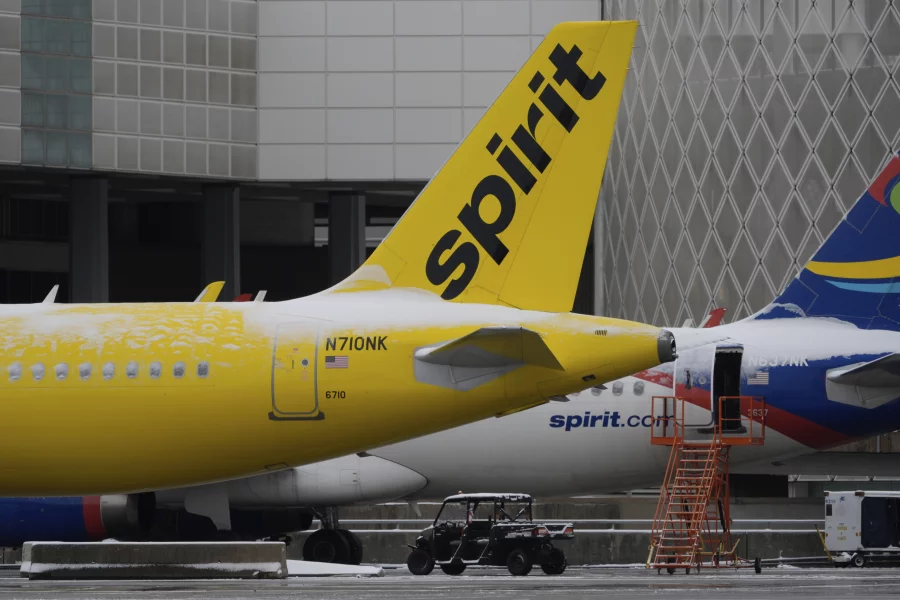
Spirit Airlines has been wobbling for a while. Now the question isn’t whether it’s struggling – it’s whether it survives at all.
After two bankruptcy filings since late 2024, a blocked merger, and a fresh spike in fuel costs tied to the Iran war, the airline is running out of runway. It still says it plans to emerge from Chapter 11 this summer. Not everyone’s buying that.
Jet fuel prices are climbing fast, and that’s hitting every airline. For a budget carrier built on razor-thin margins, it’s a much bigger problem. Some analysts think this could be the final blow.
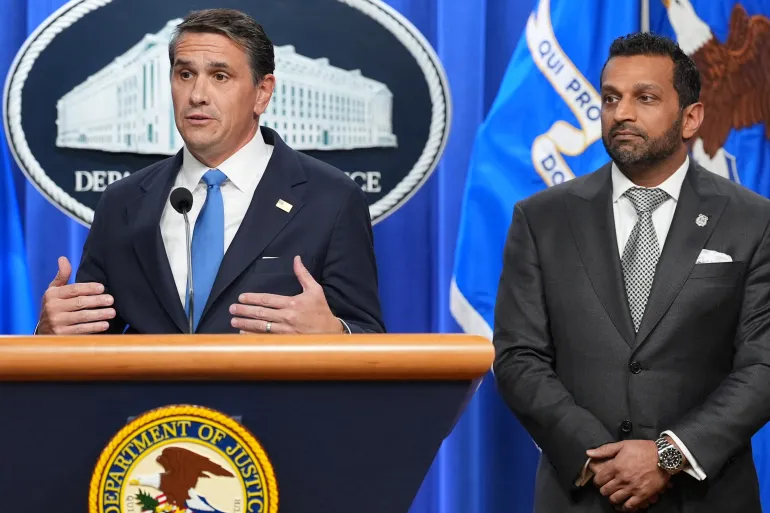
Even Washington is paying attention. Transportation Secretary Sean Duffy said the administration is taking a closer look at the airline at President Donald Trump’s request. Trump himself floated the idea of a rescue, pointing to roughly 14,000 jobs tied to the company. Whether that turns into real support is another story – legally and politically, it’s complicated.
So what happens if Spirit actually shuts down?
Depends who you ask.
Some see a ripple effect that hits travelers hardest. Spirit has long been one of the biggest ultra low-cost carriers, alongside airlines like Frontier, Breeze, and Avelo. Its model is simple: cheap base fares, then charge for everything else. That pressure has forced bigger players – Delta, American, United – to roll out stripped-down “basic economy” tickets to compete.
Take Spirit out of the equation, and that pressure eases.
Fewer ultra-cheap options could mean higher fares creeping back in, especially on routes where Spirit was a major player. It’s not just about losing one airline – it’s about losing the pricing discipline it imposed on the rest of the industry.
Other analysts shrug at that idea.
Spirit only holds a small slice of the US market – about 3.4% over the past year. Compare that to the major carriers, each sitting closer to 16% to 18%. From that angle, the airline’s disappearance wouldn’t dramatically shift the national picture.
One place it would hit harder: Fort Lauderdale. Spirit has a big presence there, controlling roughly a quarter of the market. If it disappears, that’s where passengers are most likely to feel the squeeze.
Then there’s the passenger chaos.
Around 40 million people flew with Spirit last year. If the airline liquidates, flights could vanish quickly – something the industry has seen before with carriers like WOW Air and Flybe. Travelers would be left scrambling to rebook, often at higher prices.
Behind the scenes, Spirit’s problems run deeper than just fuel.
The airline has had to ground planes over engine issues. Its failed merger with JetBlue – blocked by regulators worried about reduced competition – cut off a potential lifeline. And its attempt to reposition slightly upmarket hasn’t fully landed.
There’s still a narrow path forward. Restructure, cut routes, focus on profitable markets. But shrinking comes with its own risks.
As one aviation analyst put it: airlines don’t usually survive by getting smaller.
For now, Spirit is still flying. Tickets are still being sold. Operations continue as normal – at least on the surface.
But the clock is ticking. And if it runs out, the impact won’t be evenly felt. Some airlines may barely notice. Travelers, especially bargain hunters, probably will.



The latest news in your social feeds
Subscribe to our social media platforms to stay tuned