

Oil Jumps Again as US-Iran Talks Fall apart

AlJazeera, the Wall Street Journal, BBC, the New York Times, CBS News contributed to this report.
Oil traders were hoping for progress. They got the opposite.
Prices climbed after a planned second round of negotiations between the United States and Iran in Pakistan failed to materialize, adding fresh uncertainty to an already tense market. Brent crude jumped more than 2% on Sunday, hovering just above $106 a barrel after briefly easing earlier in the session.
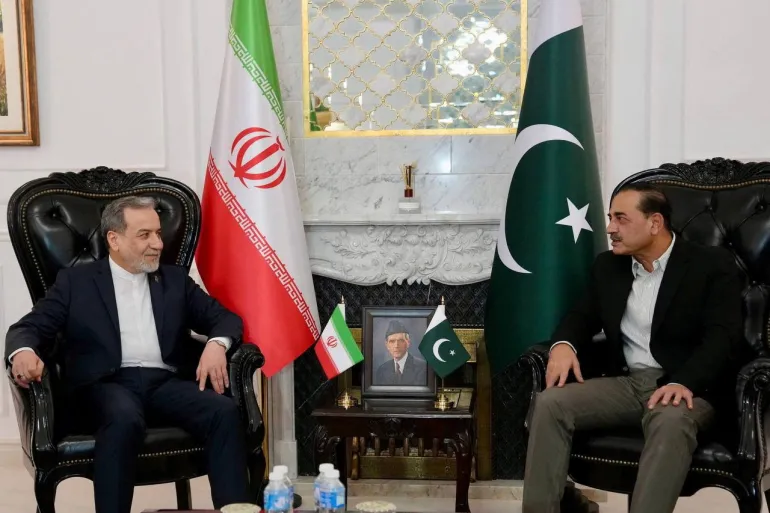
The breakdown came fast. Envoys from Washington never made the trip, and Iran’s foreign minister Abbas Araghchi left Islamabad before any face-to-face talks could happen. Instead, he headed to Saint Petersburg to meet Vladimir Putin, signaling Tehran is looking elsewhere to break the deadlock.
That leaves the fragile ceasefire hanging in the air. Donald Trump recently extended the truce, but without a clear timeline or roadmap, and the mood in markets suggests few are convinced it will hold.
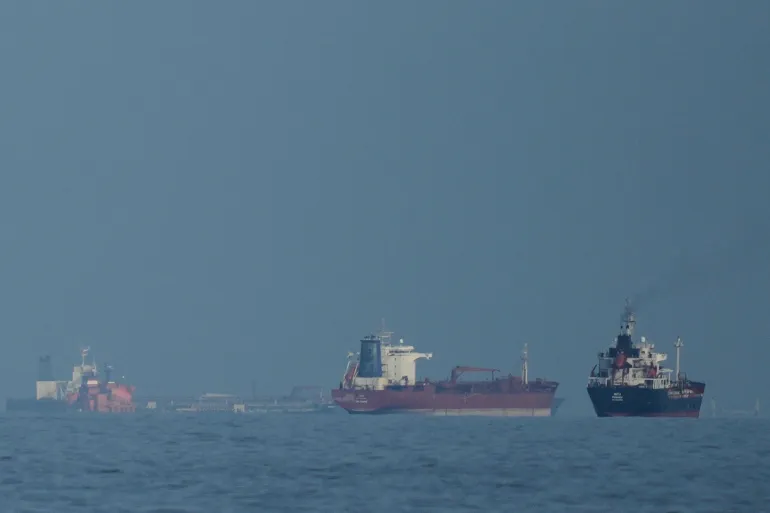
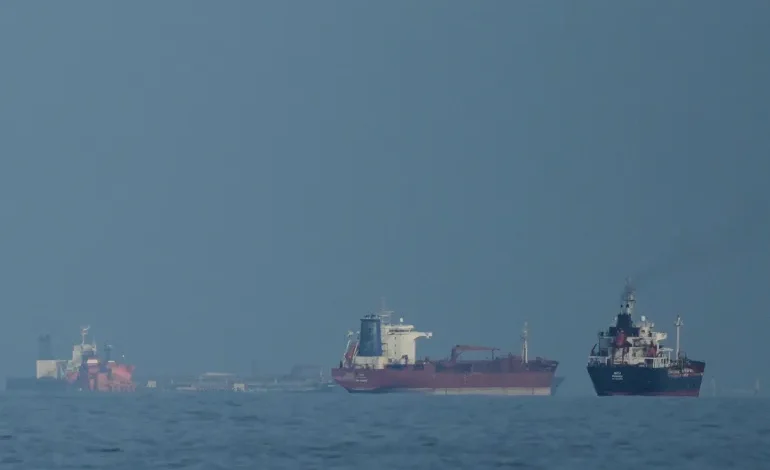
The real pressure point hasn’t changed: the Strait of Hormuz. It’s still heavily disrupted, with threats to commercial shipping keeping traffic far below normal levels. Before the war, more than a hundred vessels passed through daily. Now, it’s a fraction of that – enough to choke supply and keep prices elevated.
Oil has been climbing for weeks as a result, and traders are growing less reactive to headlines and more focused on hard evidence that tensions are actually easing. So far, they’re not seeing it.
Markets elsewhere are taking it in stride, at least for now. Asian equities opened higher, brushing off the diplomatic stall. But energy costs are the wildcard. If the standoff drags on, the ripple effects won’t stay confined to fuel – they’ll show up in everything from manufacturing to everyday goods.
For now, crude is moving on uncertainty. And there’s plenty of that left.


The latest news in your social feeds
Subscribe to our social media platforms to stay tuned