



Mexico pushes back after US agents’ deaths raise sovereignty questions

Mexico is drawing a firm line after the deaths of two US officials in a crash tied to an anti-narcotics operation, making clear that whatever role they played, it was not authorised.
The country’s security cabinet said the two US citizens — widely reported to be CIA officers — were not cleared to take part in operations on Mexican soil. One had entered as a visitor, the other on a diplomatic passport, but neither had the formal status required to engage in security activity.
“Neither had formal accreditation to participate in operational activities within national territory”
The wording is careful but pointed. It reinforces a long-standing legal framework: foreign agents must be explicitly approved by federal authorities and cannot operate independently or directly with local officials.
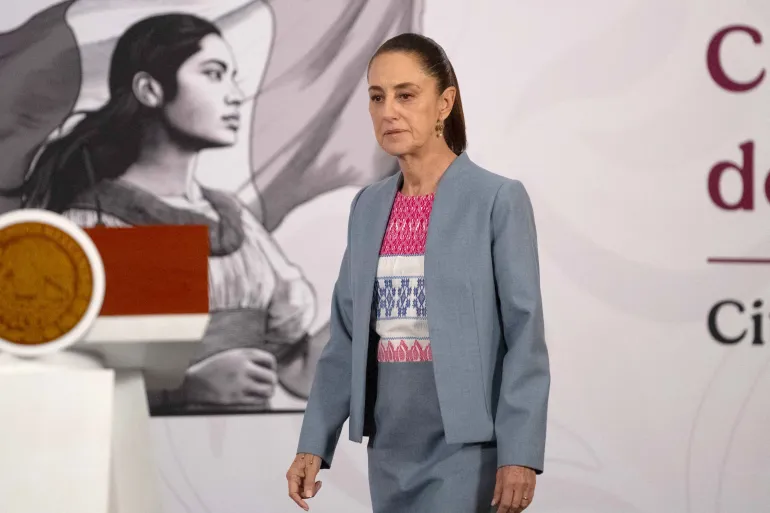
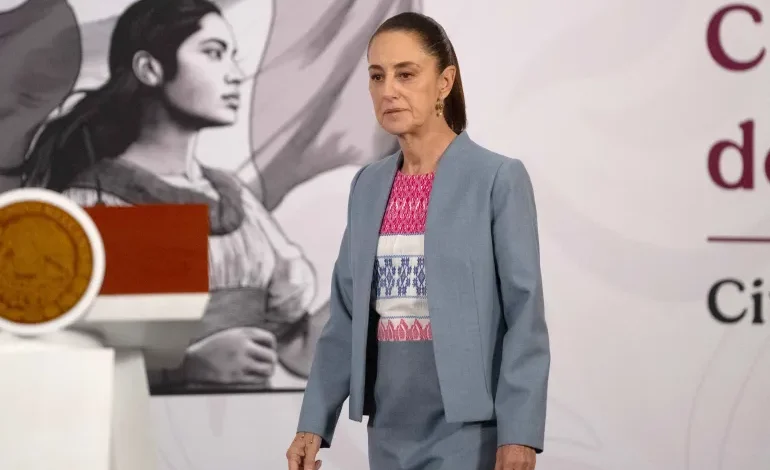
President Claudia Sheinbaum had already signalled concern earlier in the week, framing the issue not as an isolated incident, but as something that touches on national control over security.
“Evidently, the military didn’t know there were people participating who weren’t Mexican citizens … that there were foreigners participating in the operation”
“This is something that Mexicans shouldn’t take lightly.”
The deaths themselves — a car crash in Chihuahua following a raid on a drug lab — might have remained a tragic but contained event. Instead, conflicting descriptions from US and Mexican officials have turned it into something more sensitive.
The US ambassador described the individuals as “embassy personnel”. Local prosecutors referred to them as “instructor officers” involved in training. Meanwhile, US authorities have not confirmed reports that they were linked to the CIA.
That ambiguity is exactly what fuels the tension. It raises a familiar question in US–Mexico relations: how much coordination is actually happening behind the scenes, and how much of it is fully disclosed to Mexican authorities?
The broader context matters. The Trump administration has been pushing for a more aggressive approach to drug trafficking in the region, at times reframing cartels as “narco-terrorists” and expanding the scope of US action beyond traditional intelligence roles.
Recent moves — including unilateral strikes on suspected smuggling operations and joint actions in countries like Ecuador — have already tested the boundaries of cooperation in Latin America. Against that backdrop, even a single incident can carry wider implications.
Mexico’s response tries to balance that reality. The government reiterated that cooperation with the US is welcome — but only within clearly defined limits.


The latest news in your social feeds
Subscribe to our social media platforms to stay tuned