





AP, CBS News, the New York Times, and HHS contributed to this report.
Parents have one less thing to panic about – at least for now.
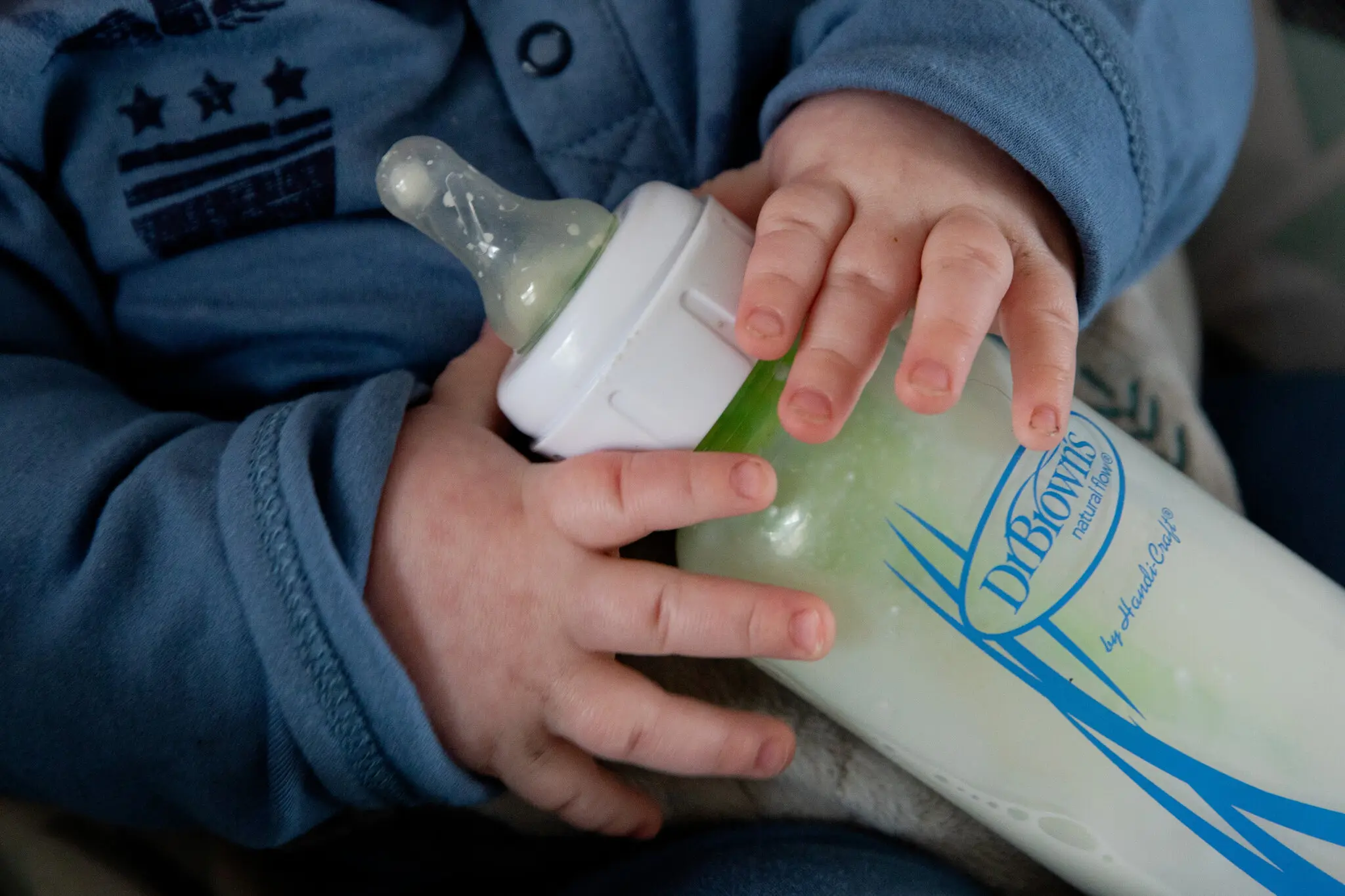
A sweeping new review from the US Food and Drug Administration says infant formula sold across the United States is generally safe, with only trace or undetectable levels of potentially harmful chemicals.
The agency tested more than 300 products between 2023 and 2025 under its “Operation Stork Speed” initiative, looking for everything from heavy metals like lead and arsenic to pesticides, plastics-related chemicals and so-called “forever chemicals” (PFAS). The verdict: levels were either extremely low or not found at all.
For many experts, that’s reassuring. Dr. Steven Abrams, a pediatrician at the University of Texas at Austin, put it plainly – there’s no reason for parents to avoid currently available formula.
That said, the story doesn’t end with a simple thumbs-up.
Some scientists point out that while tiny amounts of heavy metals can occur naturally in the environment, others – like PFAS and phthalates – are entirely man-made. Even low-level exposure, especially for infants, raises eyebrows.
“These chemicals shouldn’t be there at all,” said Dr. Sheela Sathyanarayana of UW Medicine and the Seattle Children’s Research Institute, calling for tighter monitoring across the broader food system.
The FDA seems to agree, at least partly. Officials say testing will continue, and they’re considering setting clearer limits on contaminants – something the US still lacks, even as regions like the European Union already enforce strict thresholds.
That gap has been a sticking point for years. Advocacy groups have repeatedly pushed for tougher rules, especially after a widely circulated Consumer Reports study last year flagged concerning levels of heavy metals in some formulas. That report used stricter benchmarks than global standards, sparking anxiety – and in some cases, prompting parents to ditch formula altogether.
Health officials now worry that reaction may have gone too far.
Formula remains essential for millions of families, even as breast milk is widely considered the gold standard. And despite the reassuring findings, the FDA is careful not to declare victory. Officials say the goal is to keep contaminant levels “as low as possible,” not just acceptable.
Industry players are also watching closely. Abbott Laboratories, one of the biggest formula manufacturers, welcomed the results but urged regulators to set clear, science-based limits.
Behind the scenes, there’s a bigger issue at play: trust. After supply shortages, recalls and conflicting reports in recent years, many parents remain skeptical about what’s in the bottle.
This latest study helps – but it doesn’t erase the tension entirely.
The takeaway feels cautiously optimistic. The system is working, mostly. The risks appear low. Still, when it comes to infant health, even “low” isn’t something people ignore.



The latest news in your social feeds
Subscribe to our social media platforms to stay tuned