




Rates Frozen as Energy Shock Ripples Through Europe

The Financial Times, the Guardian, CNBC, and Reuters contributed to this report.
The Bank of England is standing still. Interest rates remain at 3.75%, even as a fresh energy shock tied to the Iran war starts to squeeze economies across Europe.
It’s a cautious pause, not confidence.
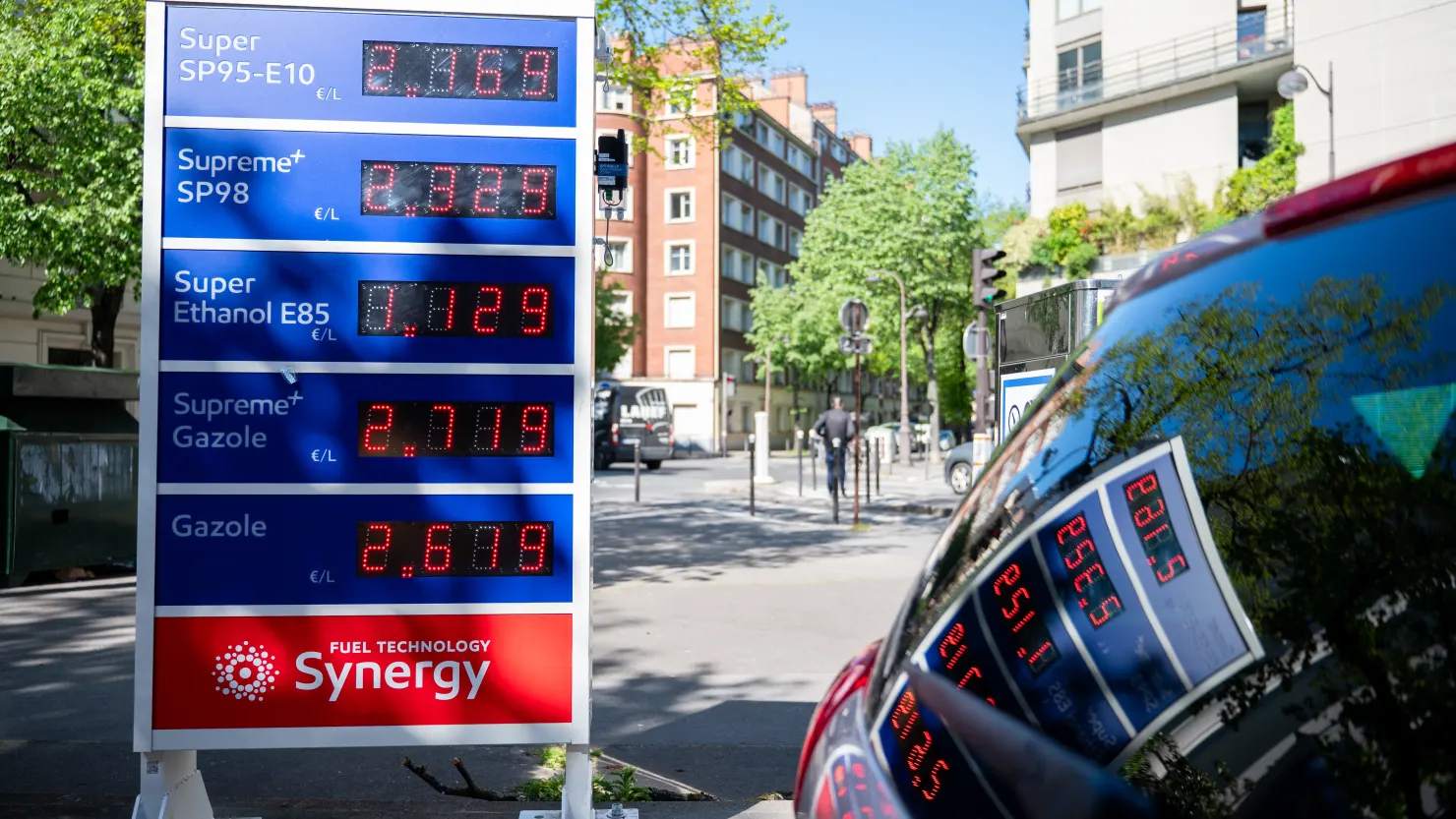
Across the eurozone, inflation just climbed to 3% in April, according to Eurostat. That’s a sharp jump from 2.6% in March – and a long way from the European Central Bank’s 2% target. Energy is doing most of the damage. Prices in that sector surged nearly 11% year-on-year, more than double the pace seen a month earlier.
Underneath those headline numbers, the picture is mixed. Services inflation cooled slightly. Food prices are still rising, though not dramatically. Industrial goods barely moved. But none of that really matters when fuel costs are ripping higher and feeding into everything else.
Growth isn’t helping either. The eurozone economy barely expanded in the first quarter – just 0.1%. That’s slower than the already weak pace at the end of last year.
Some countries are holding up better than others. Germany managed a modest 0.3% expansion, beating expectations. Economists say it’s a rare bit of good news, though not something to rely on. France, meanwhile, flatlined. Weak consumption and sluggish production dragged things down.
The bigger worry sits offshore.
The ongoing disruption in the Middle East – especially around the Strait of Hormuz – is choking energy supply lines and pushing prices higher. Europe, heavily dependent on imported fuel, is feeling it fast. Businesses are uneasy. Consumers are pulling back. Confidence is shaky.
Some economists are already using the word policymakers hate: stagflation. Slow growth paired with rising prices. A nasty combination, and one that’s hard to fix.
Central banks are boxed in. Raise rates to fight inflation, and you risk crushing already fragile growth. Hold steady, and inflation stays above target. Neither option looks great.
There is a small bit of relief. Core inflation – stripping out volatile energy and food – ticked down slightly to 2.2%. That suggests the surge hasn’t fully spread through the economy yet. Wage-price spirals, the kind that keep inflation sticky, haven’t taken hold.
For now, that’s enough for central banks to wait.
But the clock is ticking. If energy prices stay high, patience could run out fast.


The latest news in your social feeds
Subscribe to our social media platforms to stay tuned